UPI payment failed but money debited? Banks must refund and pay ₹100 per day compensation under RBI rules
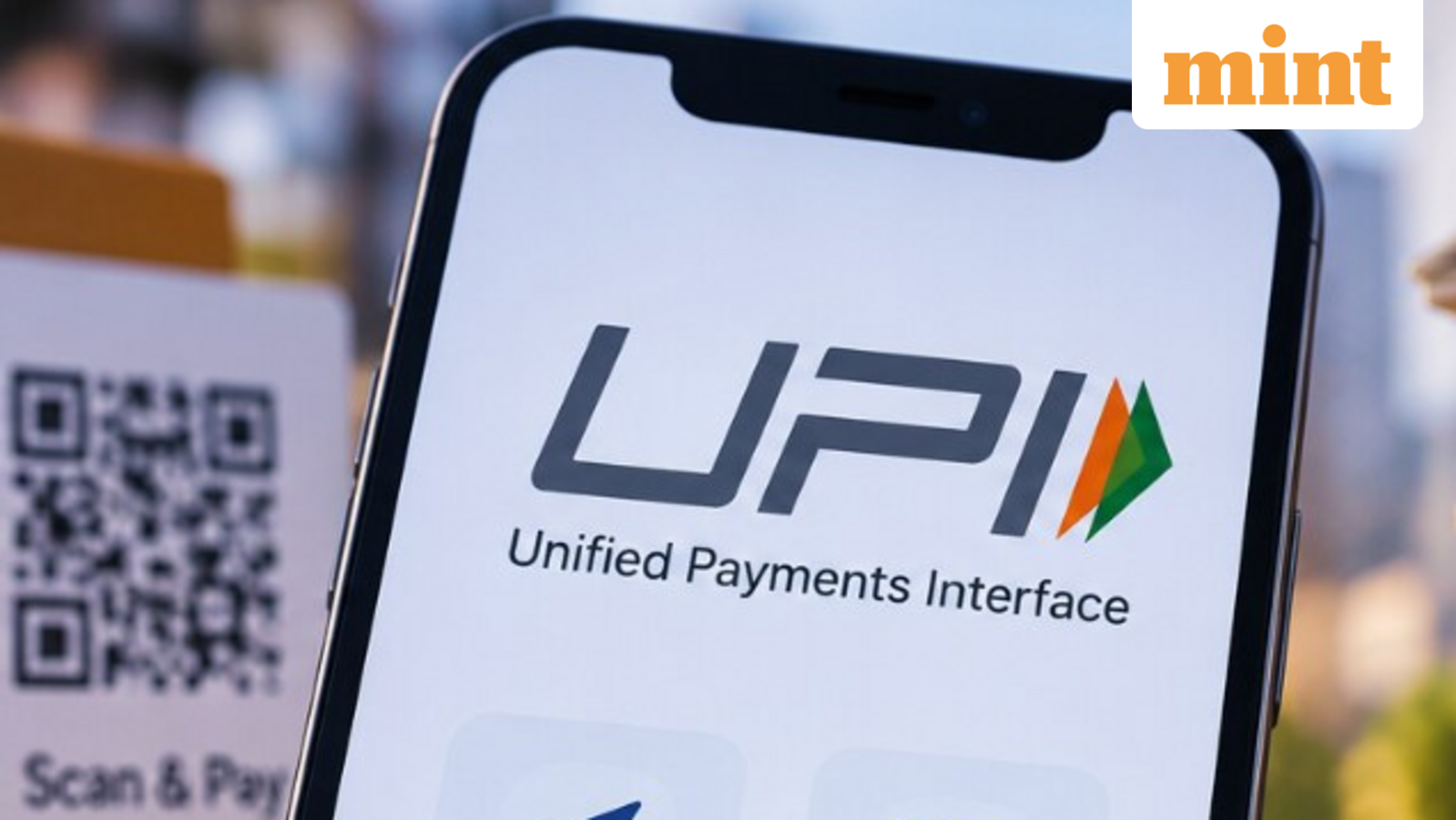
Millions of Indians hit “send” on UPI every day, only to watch their account get debited while the money never reaches the other side. When that happens, you are not expected to wait indefinitely or pay again. Under Reserve Bank of India (RBI) rules, banks must reverse the amount within fixed deadlines: T+1 day for person-to-person transfers and T+5 days for merchant payments, or automatically credit you ₹100 for every day the refund is delayed.
Why UPI payments fail even after debit
A UPI transaction travels through several systems at once. The sender’s bank, the beneficiary’s bank, NPCI’s switching network, and the app itself. A glitch anywhere in this chain can leave the payment hanging even after your account is debited.
RBI timeline for UPI refunds and compensation
The Reserve Bank’s framework on turnaround time and customer compensation for failed transactions sets clear deadlines.
Under the RBI framework, a failed UPI person-to-person fund transfer, where the sender’s account is debited but the beneficiary’s account is not credited, must be automatically reversed within T+1 day if the credit cannot be completed. Here, T means the date of the transaction.
For merchant payments where the account is debited but confirmation is not received at the merchant’s end, the prescribed auto-reversal timeline is T+5 days.
If the bank misses the applicable deadline, compensation of ₹100 per day is prescribed for the delay. This compensation is credited automatically; you do not need to file a separate claim.
What to do if your UPI money is not refunded on time
Do not send the payment a second time until you confirm the status. Follow a documented escalation path instead.
Open the UPI app and check whether the transaction is marked successful, failed, or pending. Save the reference number and confirm with the recipient.
Raise a dispute inside the app using the help or transaction-specific option and note the complaint ticket number. NPCI’s UPI FAQs state that users can raise grievances or check transaction status through participating UPI apps.
If the issue remains unresolved, lodge a formal complaint with the bank that holds your sending account. Share the transaction details and the app’s complaint reference, and ask the bank to trace the payment.
You can also escalate through NPCI’s Register a Complaint portal, which routes the matter to the relevant institution.
If the bank rejects the complaint, gives an unsatisfactory response, or does not reply within the set period, approach the RBI’s Complaint Management System under the Integrated Ombudsman framework. The RBI’s 2026 scheme came into effect on 1 July 2026.
Documents to keep and how to avoid fraud
Keep every detail that helps the bank locate the payment. Retain the transaction reference number, date, amount, debit confirmation, recipient details, and complaint acknowledgement numbers.
While you wait, stay alert. Scammers often exploit the urgency of a failed payment. Customers should not share their UPI PIN, OTP, passwords, or other authentication credentials.