

Welcoming a new pet into your home is one of life’s most rewarding experiences, but it also marks a significant shift in your daily routine and financial responsibilities. In 2026, pet ownership has evolved with smarter technology and a deeper understanding of animal behavior, making it easier than ever to be a prepared “pet parent.”
🏠 1. Prepare Your Environment
Before the paws (or scales) hit the floor, your home needs to be a safe zone.
- Pet-Proofing: Think like your pet. Secure loose wires, move toxic plants (like lilies for cats or sago palms for dogs), and ensure all cleaning chemicals are behind child-proof latches.
- The “Safe Space”: Every pet needs a retreat. For dogs, this might be a crate or a quiet corner; for cats, a high perch or a hooded bed. This helps them decompress during the first few days of “decompression.”
- Essential Tech: Consider smart water fountains or automated feeders, which are standard in 2026 for maintaining consistent schedules even if you’re stuck at the office.
🩺 2. Prioritize Preventative Healthcare
The most expensive vet bills are often for issues that could have been prevented.
- The First Check-up: Schedule a vet visit within the first week. This establishes a baseline for their health and ensures they are up-to-date on vaccinations and microchipping.
- Insurance vs. Savings: In 2026, pet insurance is highly sophisticated. Evaluate “accident and illness” plans early; premiums are much lower when a pet is young and has no pre-existing conditions.
- Dental Care: Dental disease is the most common ailment in adult pets. Starting a brushing routine or using dental additives early can save thousands in extractions later.
🧠 3. Focus on “Enrichment,” Not Just Exercise
A tired pet is a well-behaved pet, but mental stimulation is just as important as physical walks.
- Puzzle Feeders: Instead of a standard bowl, use snuffle mats or lick mats. This taps into their natural foraging instincts and reduces anxiety.
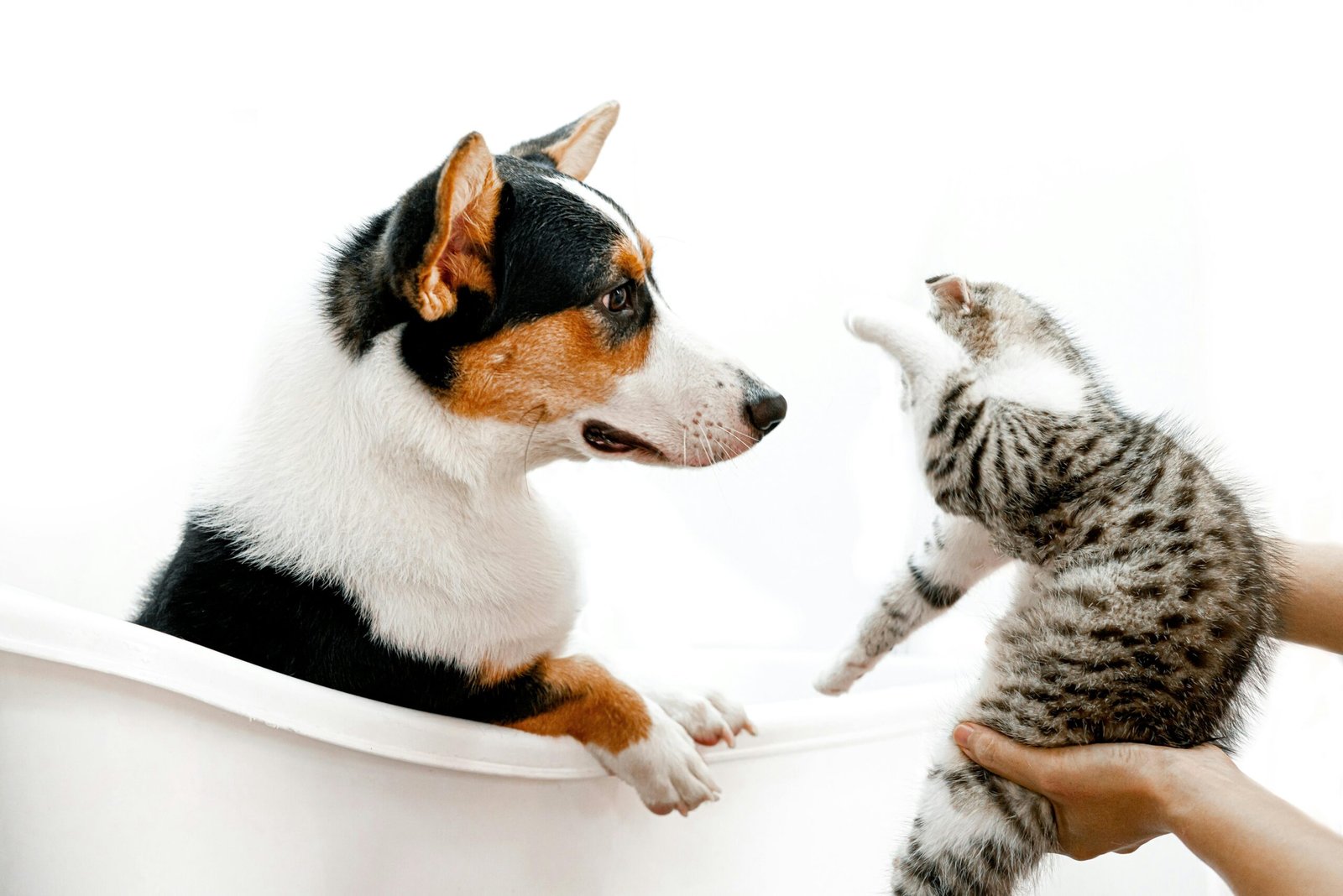
- Socialization (The Right Way): Socialization doesn’t mean meeting every dog on the street. It means exposing your pet to new sights, sounds, and surfaces in a neutral, positive way so they grow up confident, not fearful.
- Positive Reinforcement: Modern training focuses exclusively on rewarding good behavior rather than punishing the bad. Keep small, high-value treats (like freeze-dried liver) handy to “catch them being good.”
📊 The First-Month Checklist
| Task | Timing | Why It Matters |
| Microchip Registration | Day 1 | Ensures they can be returned if they escape. |
| Dietary Transition | Week 1 | Mix old food with new to avoid stomach upset. |
| Flea/Tick/Heartworm | Monthly | Prevention is 10x cheaper than treatment. |
| Grooming Desensitization | Daily | Touch their paws and ears so they tolerate future clipping. |
💡 4. The “Rule of Three”
Adjusting to a new home takes time. Professional behaviorists often cite the 3-3-3 Rule:
- 3 Days: To feel overwhelmed and nervous. They may not eat or may hide.
- 3 Weeks: To start feeling settled and showing their true personality.
- 3 Months: To build a complete bond and feel a sense of security and “home.”
⚠️ A Note on Nutrition
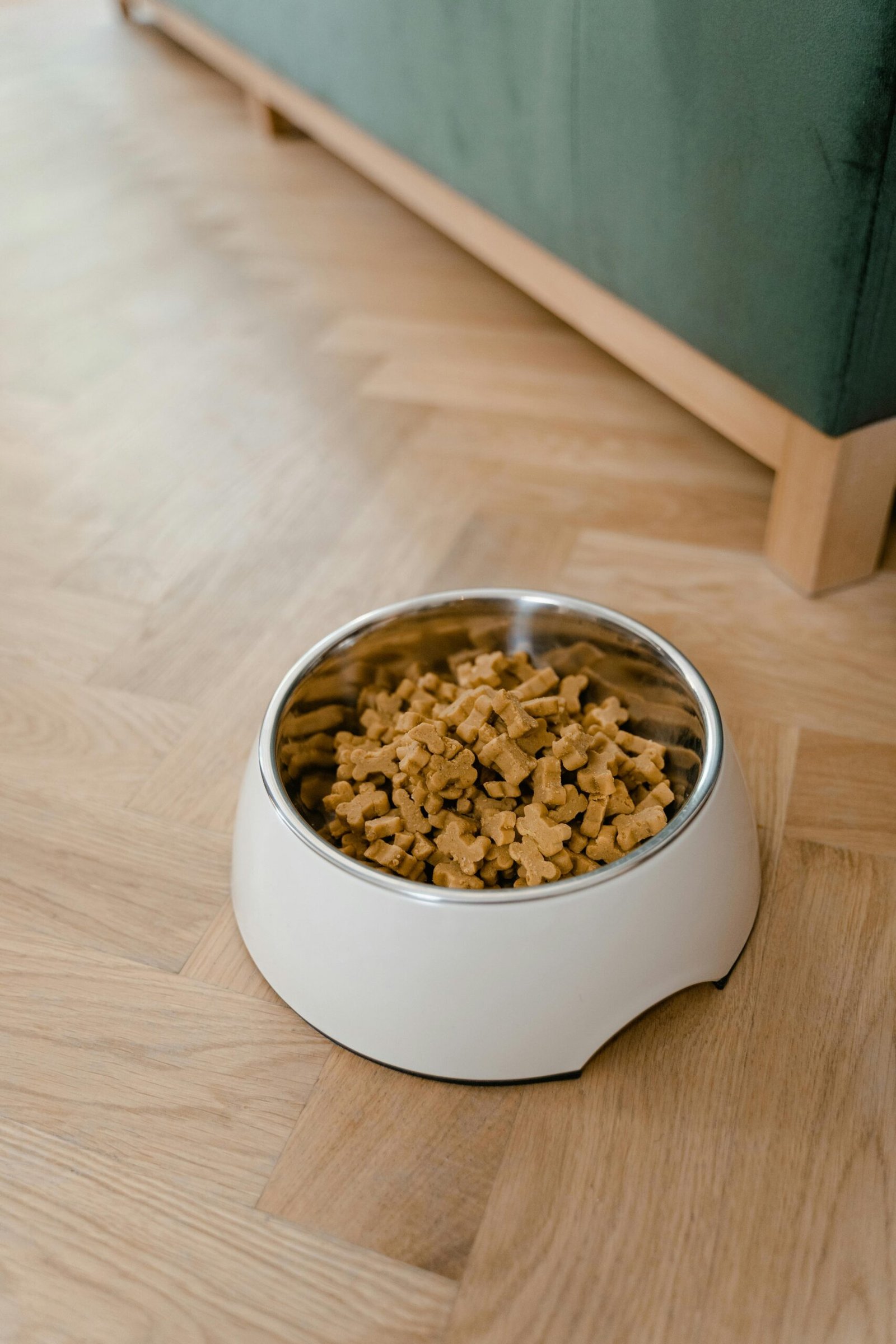
Avoid the “boutique” grain-free trends unless specifically prescribed by a vet. In 2026, veterinary consensus emphasizes balanced, science-backed diets (WSAVA guidelines) to avoid heart issues like DCM (Dilated Cardiomyopathy) which was linked to certain alternative diets in recent years.
- Create a customized shopping list for a new dog or cat
- Generate a 4-week socialization and training schedule
- List common household toxins for pets









Leave a Reply