
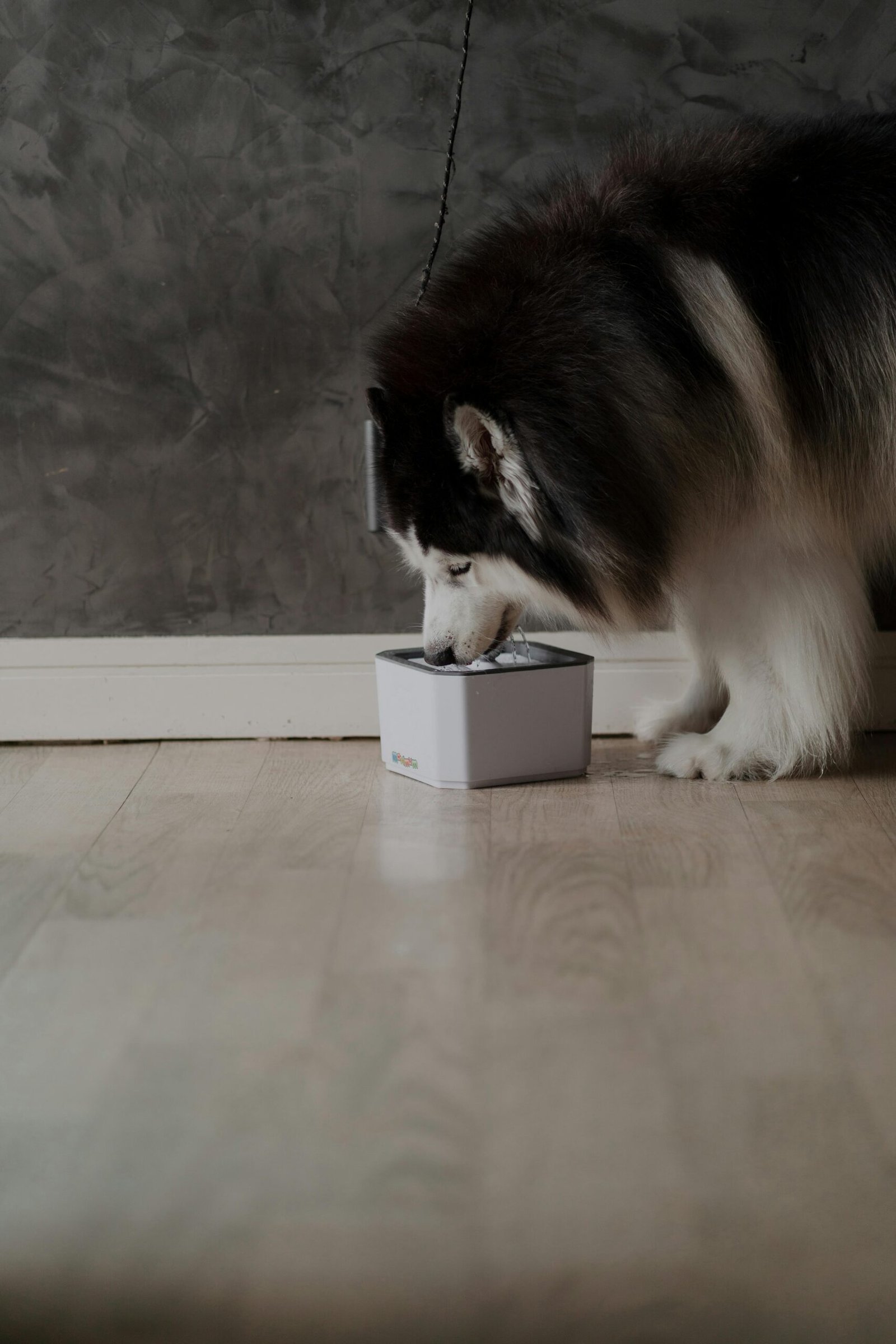
Training a puppy in 2026 is less about “dominance” and more about clear communication and relationship building. Modern behavioral science has moved toward “LIMA” (Least Intrusive, Minimally Aversive) techniques, which focus on setting the puppy up for success rather than correcting their mistakes.
🎾 1. Luring and Shaping (The Foundations)
These are the two primary ways to teach a puppy what you want without physical force.
- Luring: Use a high-value treat (like a small piece of boiled chicken) right at the puppy’s nose to lead them into a position. For a “Sit,” move the treat back over their head; for “Down,” pull it toward the floor.
- Shaping: This is like the game “Hot or Cold.” You reward small steps toward a final goal. If teaching “Go to Mat,” you reward them for looking at the mat, then stepping on it, and finally lying down. This builds a puppy that “thinks” and loves to learn.
⏱️ 2. The Power of “Marker” Training
A puppy’s attention span is measured in seconds. You need a way to tell them exactly what they did right.
- The Clicker or Verbal Marker: Use a consistent sound (a “click” or a short “Yes!”) the instant their bum hits the floor or they look at you.
- The Rule: The marker is a promise. If you click or say “Yes,” a treat must follow. This creates a powerful neurological bridge between the behavior and the reward.
🧘 3. Capturing Calm
Puppies are naturally “high-octane.” Most owners only interact with their pups when they are being naughty.
- Reward the Nothing: If your puppy chooses to lie down quietly while you watch TV, silently drop a treat between their paws.
- Why it works: You are teaching the puppy that being calm is a “paid” behavior, which helps prevent demand-barking and hyperactivity later in life.
📊 Training Priority Hierarchy
| Age | Focus Area | Why? |
| 8–12 Weeks | Socialization & Handling | Critical window for preventing future fear/aggression. |
| 12–16 Weeks | Bite Inhibition & Recall | Teaching “soft mouth” and that coming to you is a party. |
| 4–6 Months | Impulse Control | “Leave it,” “Stay,” and waiting at doors. |
| 6 Months+ | Proofing Commands | Doing the basics in distracting environments (parks, stores). |
🚪 4. Management vs. Training
You cannot train a puppy 24/7. When you aren’t training, use management to prevent bad habits from forming.
- The “Umbilical Cord” Method: Keep the puppy on a leash attached to your belt. This prevents them from wandering off to pee or chew a rug, and keeps them focused on your movements.
- Puppy-Proof Pens: If you can’t watch them, they go in a safe zone with a chew toy. Every “accident” they have indoors makes house-training take longer.
💡 5. The “100 People” Socialization Goal
In 2026, we focus on quality over quantity. Your goal isn’t just for your puppy to meet 100 people, but to have 100 positive neutral experiences.
- Let them observe a person with an umbrella or a noisy skateboard from a distance while eating treats.
- Goal: You want a dog that is “bored” by the world, not one that is obsessed with (or afraid of) everything it sees.
- Create a 4-week basic command training schedule
- Generate a list of high-value healthy training treats
- Draft a guide on stopping puppy biting and nipping



Leave a Reply