
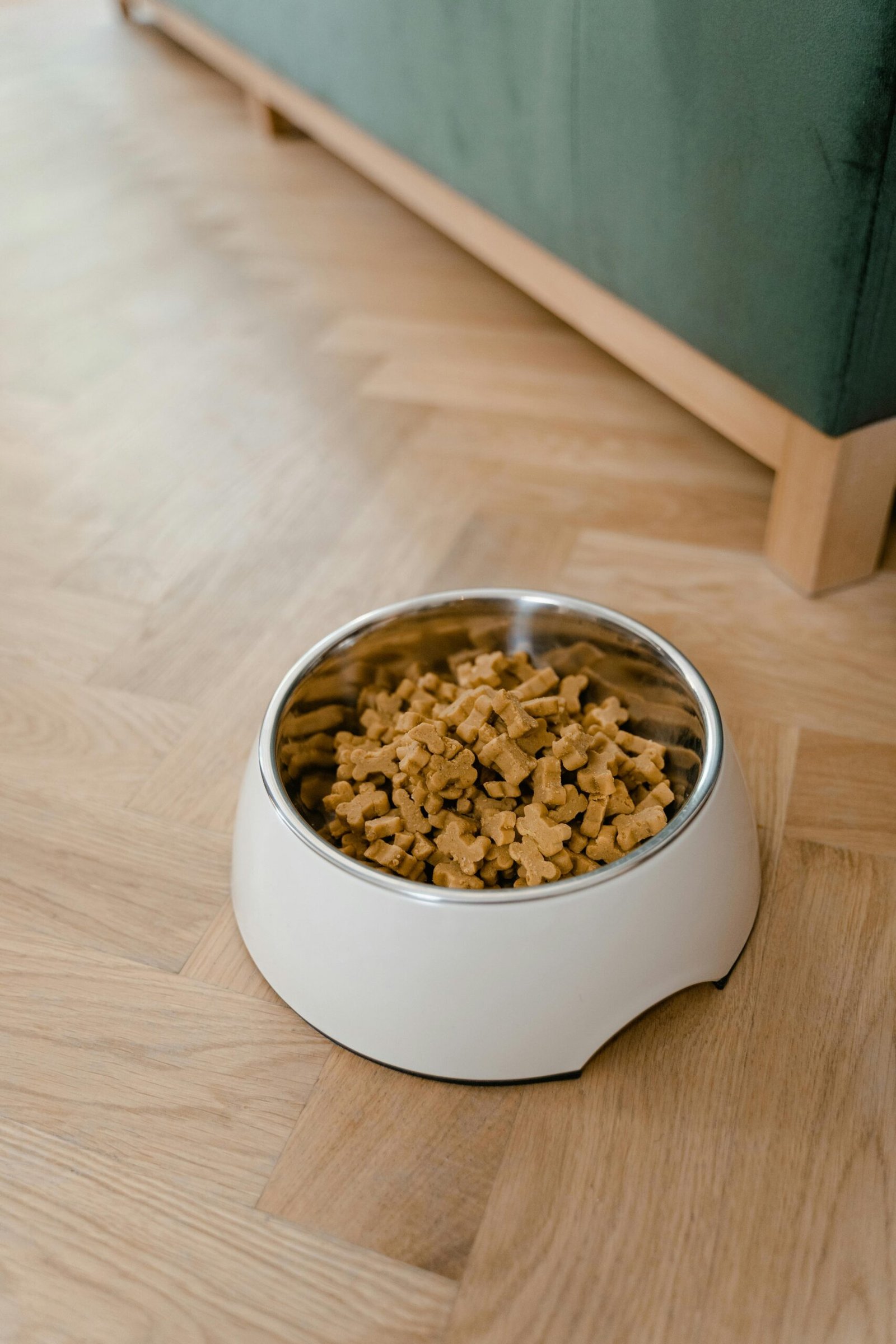
In March 2026, pet nutrition is focused on “precision feeding”—moving away from generic kibble toward diets tailored to an animal’s specific life stage, activity level, and biological needs. With the wealth of options available, the “best” food is the one that is nutritionally complete and balanced for your specific pet.
🥗 1. The Three Pillars of Pet Nutrition
To ensure a long, healthy life, every pet diet must meet three criteria:
- Complete and Balanced: In the U.S., look for the AAFCO statement on the label. This confirms the food contains every nutrient the animal needs in the correct ratios.
- Life-Stage Specific: A puppy/kitten requires significantly more calcium and phosphorus for bone growth than an adult or senior pet. Feeding “All Life Stages” food to a senior can lead to unnecessary kidney strain.
- Digestibility: High-quality proteins (chicken, beef, fish) should be the first ingredients. If a pet’s stool is consistently soft or extremely large, they likely aren’t absorbing the nutrients in their current food.
🥩 2. Dogs: Omnivorous Leanings
While descended from wolves, domestic dogs have evolved to digest starches.
- Protein is King: Essential for muscle maintenance. Look for named meats (e.g., “Deboned Turkey”) rather than vague “meat by-products.”
- The Grain Debate: Unless your dog has a diagnosed grain allergy, whole grains like brown rice or oats provide vital fiber and energy. In 2026, many vets advise caution with “Grain-Free” diets containing high amounts of peas or lentils, which have been linked to heart issues (DCM).
- Safe “Human” Add-ons: Plain blueberries, steamed carrots, or a spoonful of plain pumpkin (not pie filling) are excellent low-calorie toppers.
🐈 3. Cats: Obligate Carnivores
Cats have zero biological requirement for carbohydrates and must get their nutrients from animal tissue.
- Taurine is Essential: This amino acid is only found in animal protein. Without it, cats can go blind or develop heart failure.
- The Importance of Moisture: Cats have a low “thirst drive.” Providing wet food (cans or pouches) is the most effective way to prevent urinary tract infections and kidney disease—the leading causes of illness in older cats.
- No “Vegan” Cats: Because of their unique metabolic needs, cats cannot survive on a plant-based diet.
📊 Quick Feeding Comparison
| Feature | Best for Dogs | Best for Cats |
| Primary Need | High-quality protein + Fiber | High-quality protein + Moisture |
| Feeding Style | Scheduled meals (2x daily) | Multiple small meals or “puzzle” feeding |
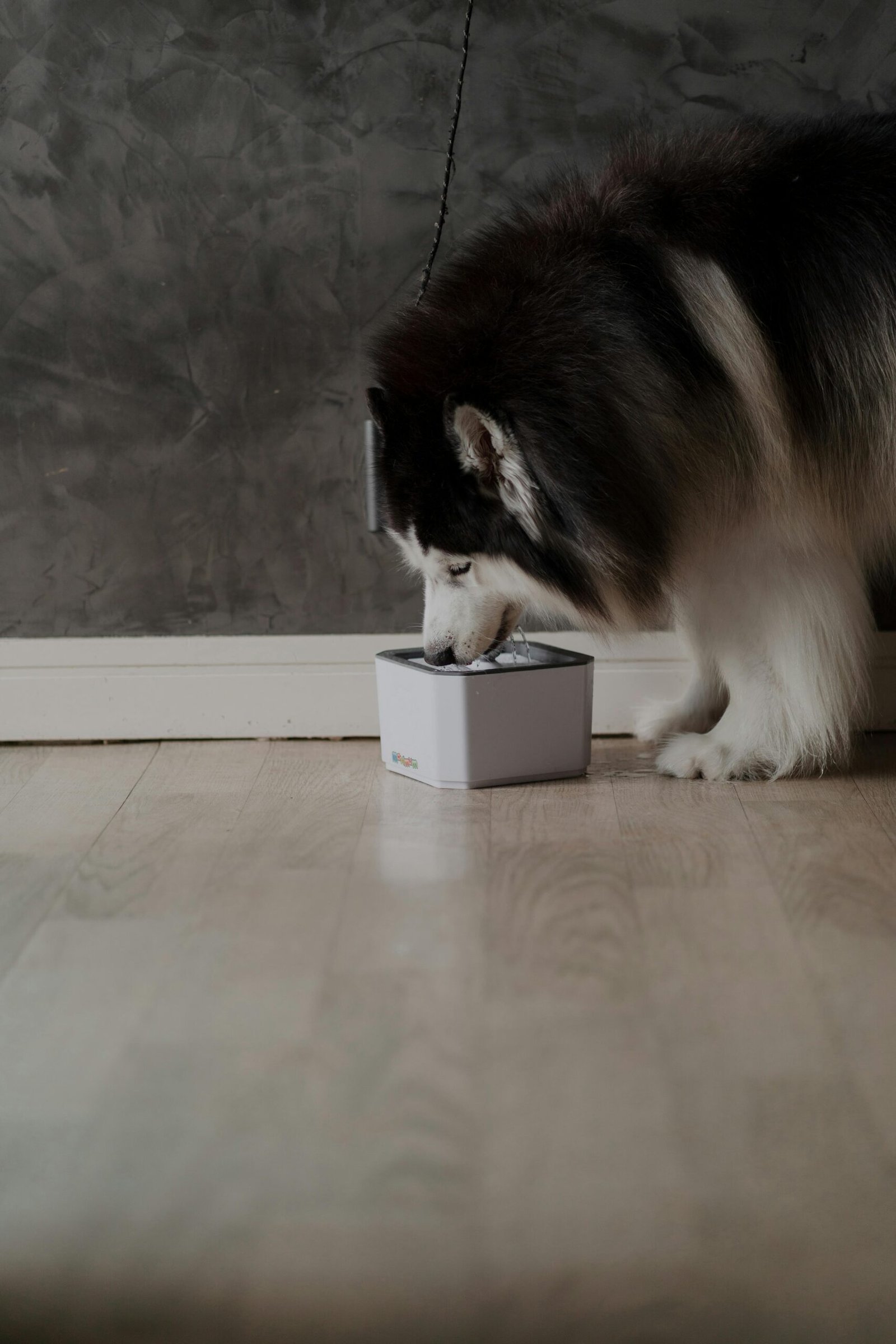
| Hydration | Fresh water bowl | Wet food + Water fountain |
| Toxic Foods | Grapes, Onions, Chocolate | Lilies, Garlic, Onion, Dairy |
🚫 4. The “Never Feed” List (Toxins)
Common household foods that can be fatal to pets:
- Xylitol (Birch Sugar): Found in sugar-free gum and some peanut butters. It causes a massive insulin spike and liver failure in dogs.
- Grapes and Raisins: Can cause sudden kidney failure in dogs.
- Onions and Garlic: Cause oxidative damage to red blood cells in both cats and dogs.
- Chocolate and Caffeine: Contain stimulants that affect the central nervous system and heart.
💡 5. How Much is Too Much?
In 2026, pet obesity is the #1 preventable health crisis.
- Use a Scale: Measuring cups are notoriously inaccurate. Weighing food in grams ensures you aren’t accidentally overfeeding by 10–20%.
- The “Rib Test”: You should be able to easily feel your pet’s ribs under a thin layer of fat. If you have to press hard, they are likely overweight.
- Treat Calories: Treats should never exceed 10% of a pet’s total daily caloric intake.








Leave a Reply