
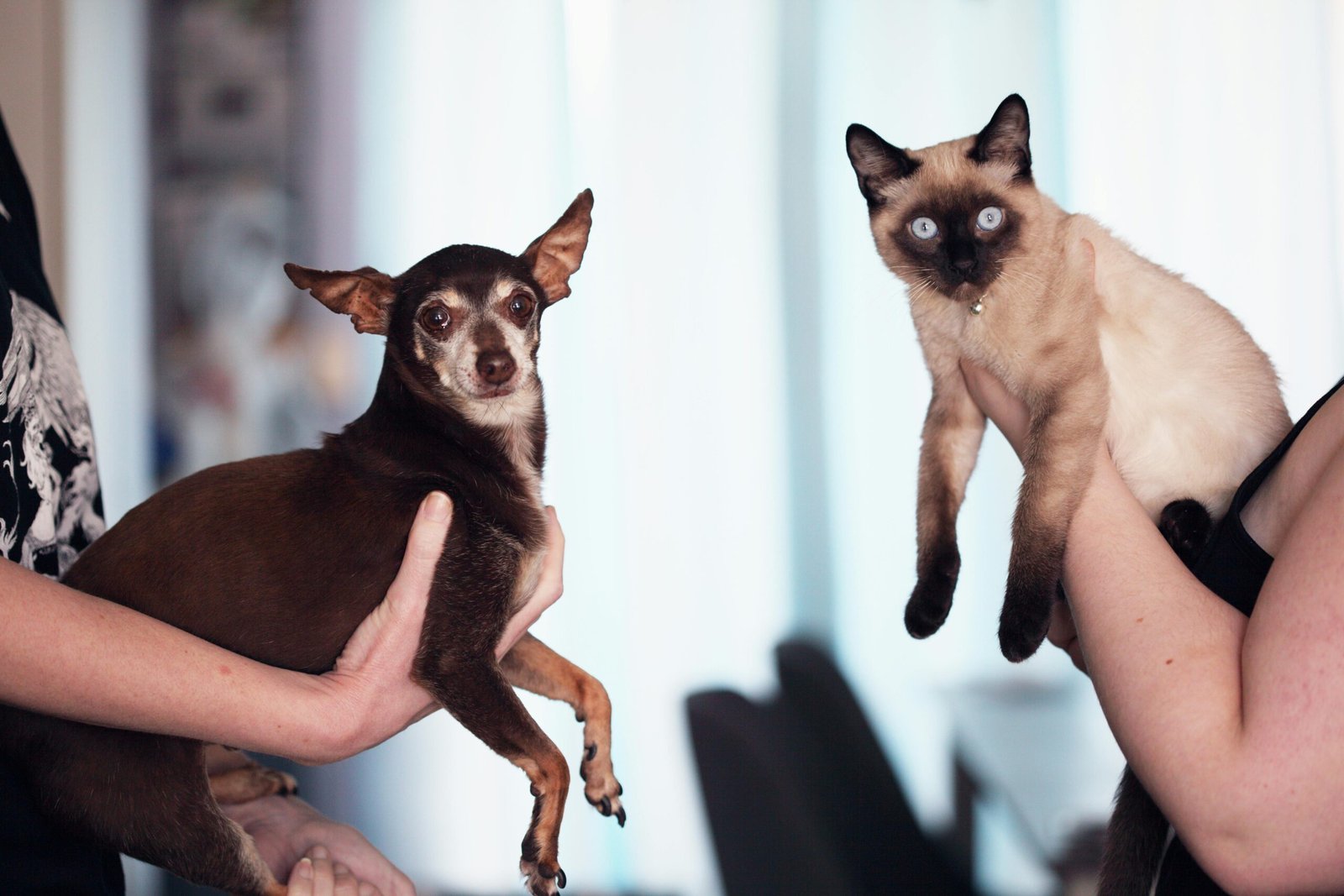
In March 2026, the definition of “socialization” has shifted. It is no longer about your dog meeting as many people and dogs as possible. Instead, modern behavioral science defines it as habituation: teaching your dog to be calm, indifferent, and confident in a variety of environments.
The goal is a dog that can see a skateboard, a person in a costume, or another barking dog and think, “No big deal.”
🕒 1. The Critical Window
If you have a puppy, you are working against a biological clock.
- The Window: Between 3 and 16 weeks of age, a puppy’s brain is a sponge for new experiences. After this, they become naturally more cautious of the unknown.
- Adult Dogs: While you can’t “socialize” an adult dog in the same way (this is called counter-conditioning), you can still expand their comfort zone using the same gradual methods.
🧘 2. The “Neutrality” Goal
The biggest mistake owners make is forcing interactions. If your dog is forced to meet a stranger while they are scared, you are actually “socializing” them to be afraid of people.
- Observation over Interaction: Sit on a park bench at a distance where your dog can watch the world go by without reacting.
- The “Look at That” Game: Every time your dog looks at a potential trigger (a bike, a child, a cat) and then looks back at you, give them a high-value treat. You are teaching them that “scary things” are actually cues to check in with you for a reward.
🐾 3. Quality Over Quantity
One bad experience can outweigh ten good ones.
- Control the Environment: Avoid chaotic dog parks where you cannot control the other dogs’ behavior. Instead, opt for “parallel walks” with a known, calm dog where they stay 10 feet apart.
- The 3-Second Rule: If you do allow an interaction, keep it to 3 seconds (“One-Mississippi, Two-Mississippi, Three…”), then call your dog away. This prevents the energy from escalating into over-excitement or tension.
📊 Socialization Exposure Checklist
| Category | Items to Observe (At a Distance) |
| Surfaces | Grass, gravel, metal grates, shiny floors, wet pavement. |
| Sounds | Doorbells, sirens, thunder, vacuum cleaners, skateboards. |
| People | People with hats, umbrellas, high-vis vests, wheelchairs, or beards. |
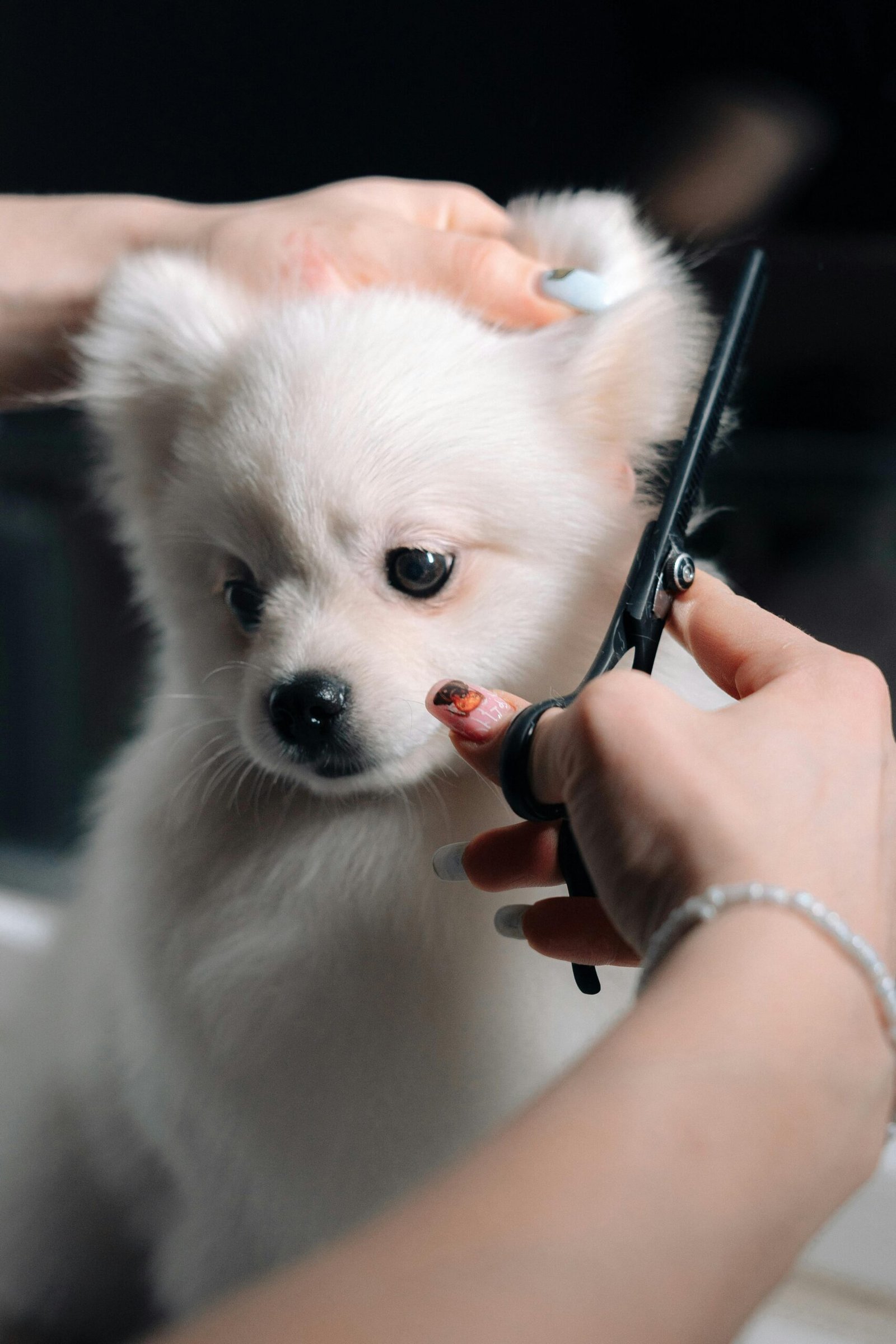
| Handling | Touching paws, looking in ears, brushing, checking teeth. |
⚠️ 4. Reading the “Stop” Signs
Socialization is only working if your dog is sub-threshold (under their stress limit). If you see these signs, increase the distance between your dog and the stimulus:
- Lip licking or yawning
- Tucked tail or “whale eye” (showing the whites of the eyes)
- Refusing treats (this means the brain has switched from “learning mode” to “survival mode”)
- Hyper-vigilance or freezing
💡 2026 Pro-Tip: The “Socialization” Playlist
In 2026, many owners use high-fidelity audio systems or smart speakers to play “desensitization sounds” at a very low volume during mealtime. Start with sounds like fireworks or crying babies at 10% volume and slowly increase it over weeks. This creates a positive association with sounds that typically cause phobias.







Leave a Reply