North Carolina tax changes will cause stress
Key Insight: See why voter-approved constitutional amendments are restricting North Carolina’s long-term tax-raising authority.
Processing Content
What’s at Stake: Distressed counties recovering from Hurricane Helene face steep revenue losses under new tax caps.
Voter-approved changes to limit taxes in North Carolina will reduce the state government’s ability to respond to downturns and local governments’ ability to balance budgets, ratings agencies and observers said.
Voters last week approved a state constitutional amendment that limits the state income tax rate to a maximum of 3.5%. The current 3.99% level was already set to decrease to 3.49% rate for 2027.
However, Moody’s Ratings said, “The credit-negative outcome will limit the
“Such scenarios are not obviously on the horizon: the state has more than $28 billion of unrestricted cash,” the agency noted. The state is rated triple-A by Moody’s, S&P Global Ratings and Fitch Ratings, in part due to a history of strong economic growth.
The state’s ability to raise revenue “is particularly important given that individual income taxes remain North Carolina’s largest general fund revenue source, accounting for nearly half of projected fiscal 2027 revenue,” said Joseph Pezzimenti, director of U.S. Public Finance at S&P.
The state has plans to
Voters also approved a measure directing the legislature to limit property tax levy growth. “The measure is broadly written and does not indicate what the limits will be, whether there will be exceptions or when the law will take effect,” Moody’s said, noting it is a credit negative for the state’s cities and counties “since they have historically enjoyed an effectively unlimited ability to increase property tax revenue to support operations and debt service.”
Fitch said “the credit implications of [the] voter-approved property tax amendment in … North Carolina will vary by issuer, but governments with structural budget imbalances and weaker financial resilience could face greater rating pressure.”
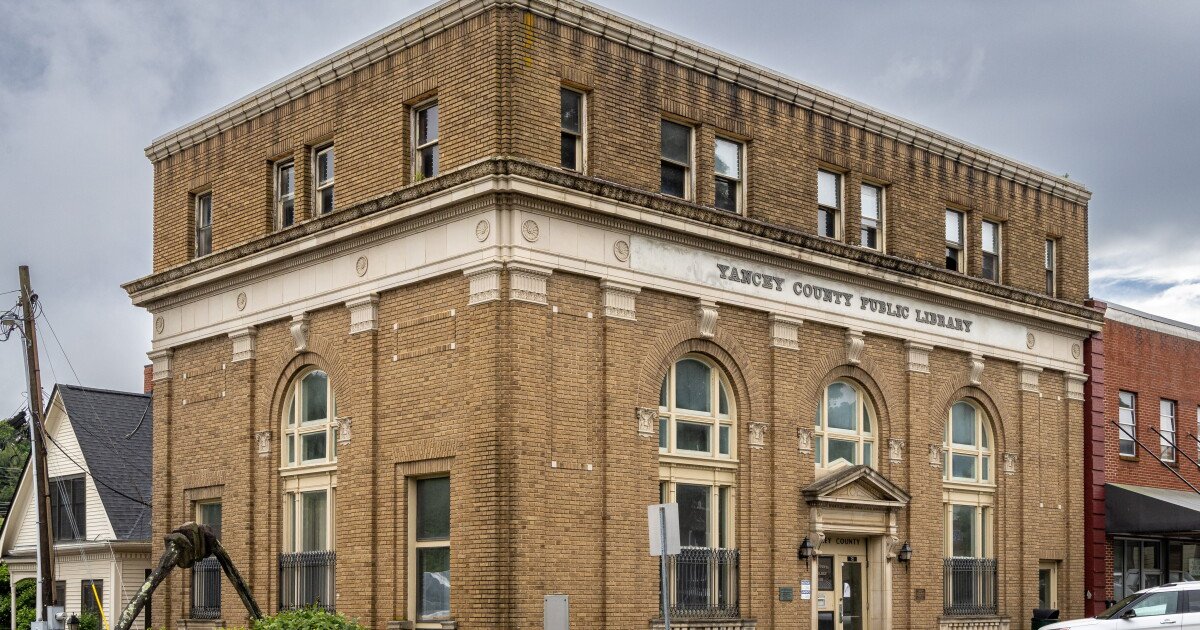
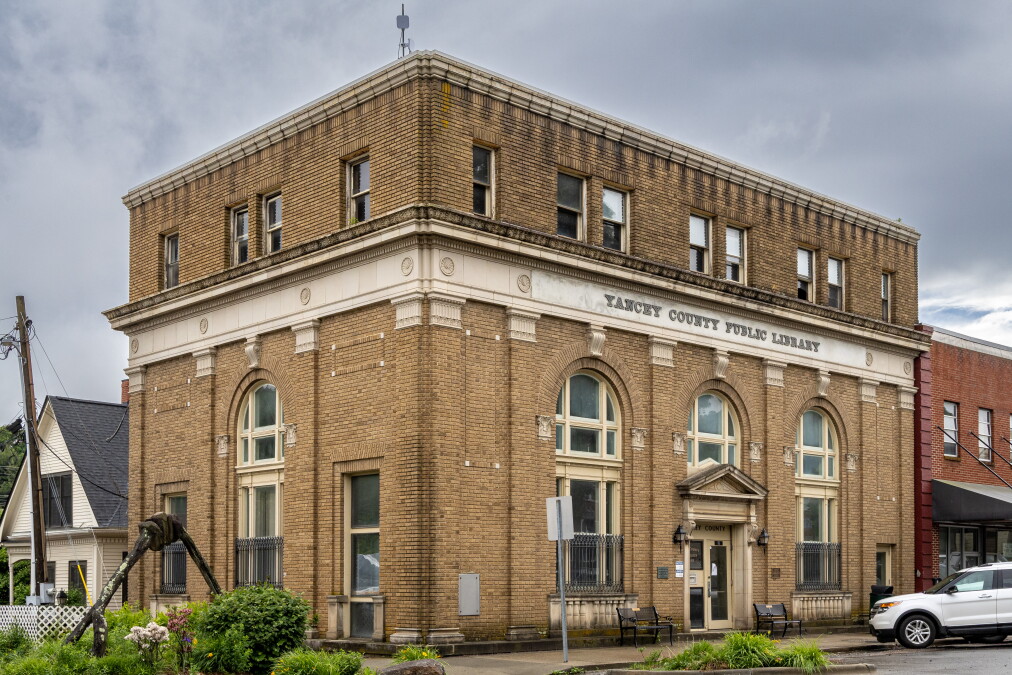
The North Carolina Housing Coalition released a study in the fall assuming a 2% levy limit that showed the greatest reductions in property tax revenue would come in Yancey (36%), Graham (21%) and Hyde (20%) counties. Twenty-one other counties would also see reductions in property tax revenues of at least 10%.
Localities would lose nearly $1 billion of revenue per a year, in the coalition scenario. The losses would hit most severely the counties the state has declared distressed and
North Carolina Budget & Tax Center Executive Director Alexandra Sirota said, “Our schools still need teachers, families still need affordable child care and health care, and communities still need the resources to respond to emergencies and build for the future. These amendments make that work harder, but they don’t make it any less urgent.”