The credit market is strained but growing; crypto’s historic hack
Credible growth
My general working hypothesis about economic growth is that as long as the credit market is expanding, everything else is secondary. Yes, inflation is too high and it’s a real burden for lots of people and I get sticker shock every time I’m in a grocery store. The jobs market is marginal and wage growth is not keeping pace. And those things do of course affect the credit market. But until the credit market stops working, it is still growing. I know that sounds obvious, but it’s important.
Processing Content
We have a few stories that shed some anecdotal light on the state of the credit market. Newtek, which is the largest Small Business Administration lender in the country, said high interest rates and inflation
Meanwhile, the company formerly known as LendingClub, which now calls itself Happen Bank,
It’s impossible to draw any conclusion from that except for the fact that the credit market is so big some people are struggling and others aren’t.
The overall problem with credit is that it has a tendency to grow and grow and grow until it becomes a problem, thanks to the miracle known as compounding interest. Former Treasury Secretary Hank Paulson, who was in that job the last time the credit market melted down, warned that the current national debt, which topped $40 trillion a month ago, has become unsustainable. Our Nathan Place tramped over to the Economic Club of New York for the speech.
“If not addressed, it will strangle our economy,” Paulson said.
He isn’t the first to say that, of course. Profligate spending by the federal government has been a concern for decades. The reason it hasn’t blown up in our faces is complex, but it can be boiled down to the fact that our creditors overall believe that we’re still good for the money, that the world’s largest economy can continue to service its debt.
The problem with that is that the debt is now spiraling higher — interest payments are now more than $1 trillion a year — thanks to the miracle known as compounding interest. At some point (and you could make a fortune if you could predict it) our creditors will change their mind about us.
Binance robbery
People rob banks. Sometimes it’s an inside job, sometimes it’s a Dillinger-style heist. Usually what they are stealing is cash, because cash is largely untraceable, but cash has its drawbacks, the main one being that you can carry only so much of it.
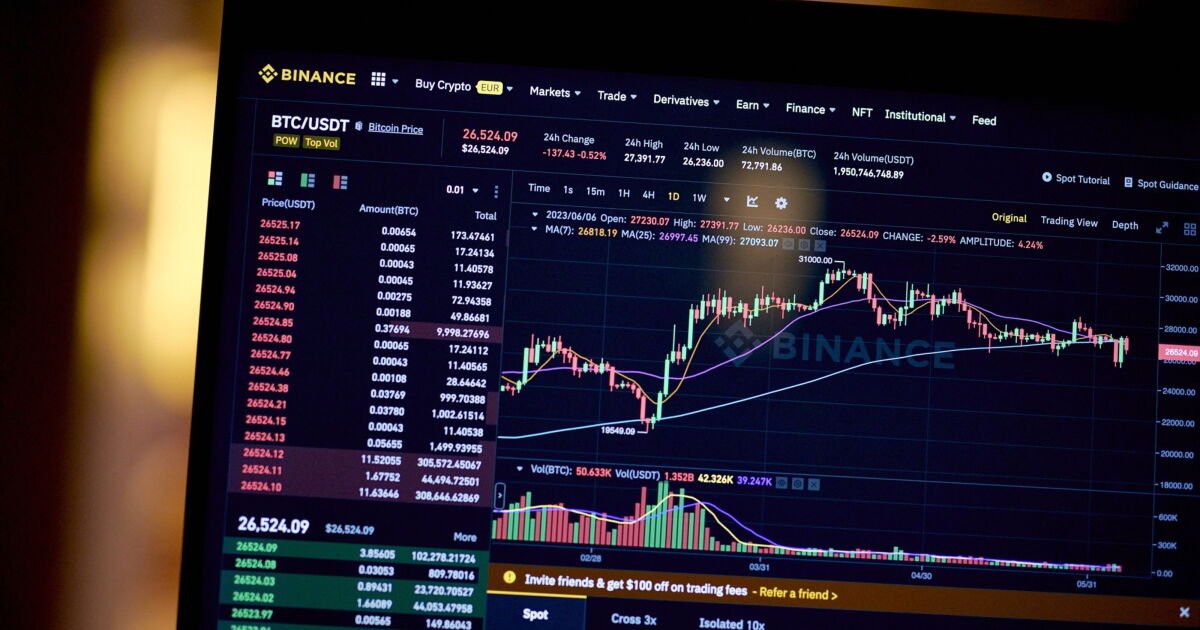
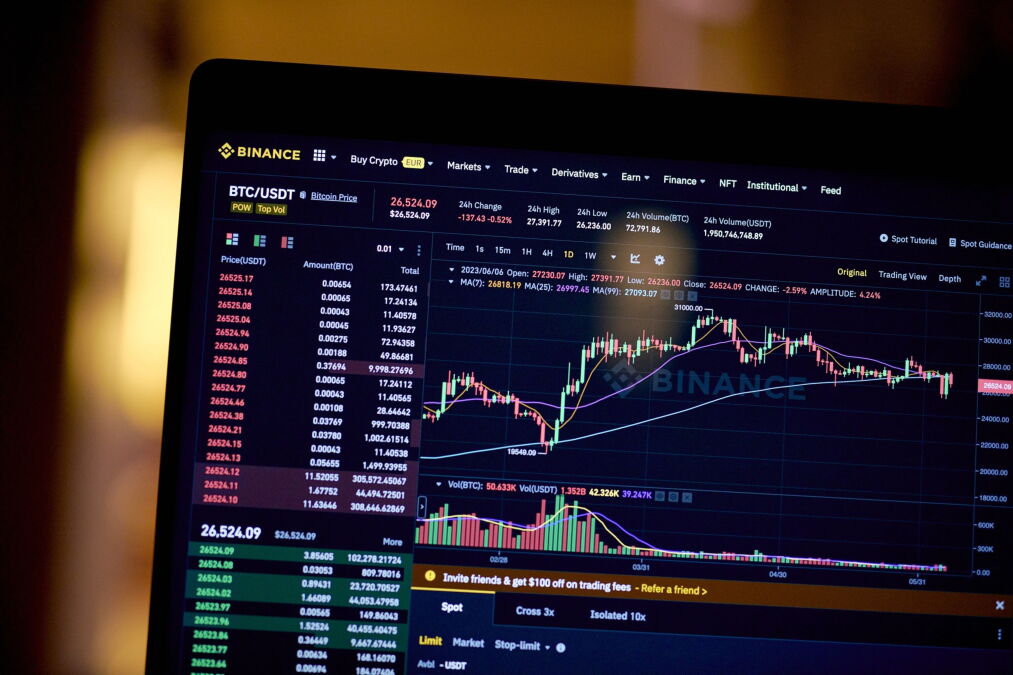
You can, though, carry a virtually unlimited amount of digital money on a thumb drive, which makes cryptocurrencies a very lucrative target. Binance, the world’s largest cryptocurrency exchange, acknowledged last night that
The exchange said
Read more:
The reason people steal cryptocurrencies is because most of them are designed to mimic physical cash in that they are digital bearer bonds. If you hold the “keys” to the wallet that contains the money, you hold the money. The stablecoin issuers Tether and Circle froze more than $2 billion worth of the stolen money, because they have designed their systems differently. But that still leaves $4 billion out there beyond reach. It’s probably gone.
Dillinger would have loved crypto markets, but these are the issues banks will have to contend with before they really embrace digital money.