OpenAI CEO Sam Altman says he unwinds from the top job by watching TikTok-style videos
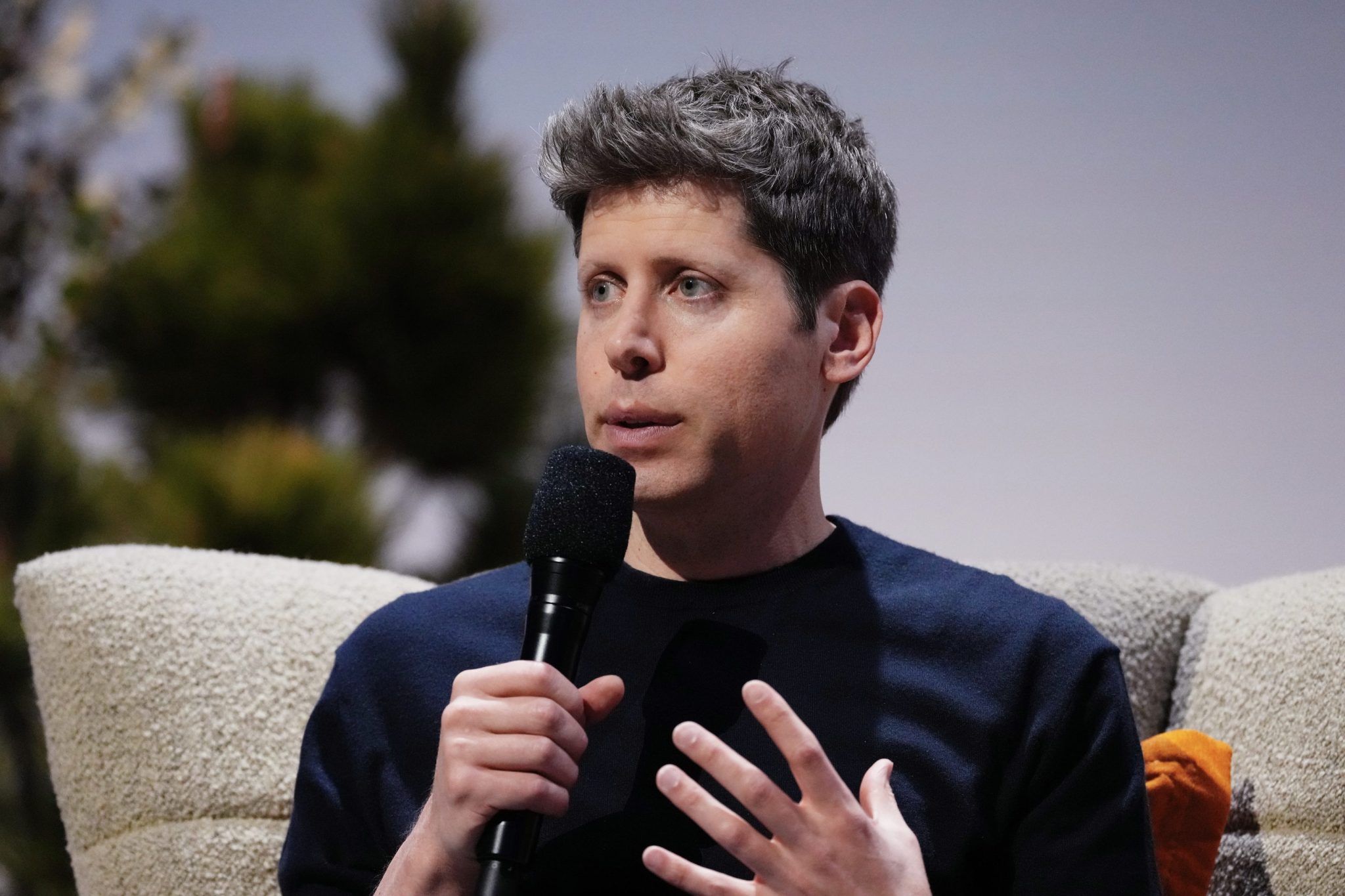
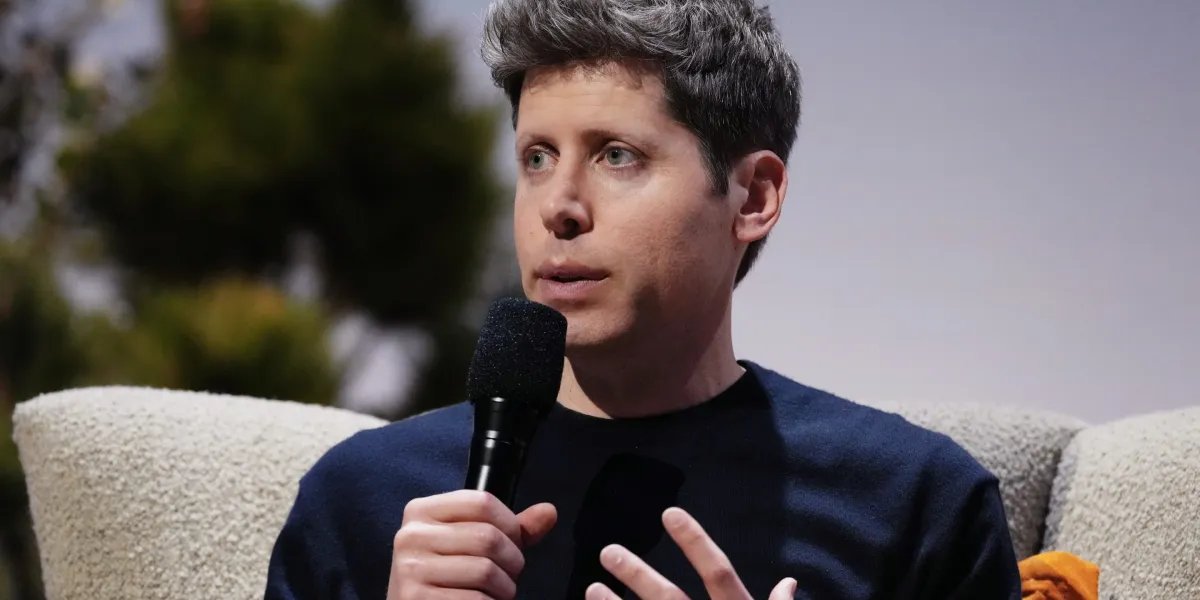
Sam Altman, the billionaire CEO of OpenAI, spends his days at the center of the AI revolution—but when it comes time to unwind, he’s just like millions of Americans who enjoy scrolling through TikTok before bed.
“I happen to like short-form video,” Altman said this week in conversation with Salesforce CEO Marc Benioff. “I happen to like the ability to watch 5 or 10 minutes of short-form video before I go to bed as a way to unwind and relax a little bit.”
But Altman’s relationship with TikTok-style videos hasn’t always been so measured. The 41-year-old has said that he first got into TikTok while OpenAI was developing Sora, its now-defunct video generation app, to better understand the short-form video experience. What started as a few minutes of scrolling before bed soon turned into an hour. Then, one Saturday afternoon, Altman found himself scrolling for three hours.
He eventually decided he had to temporarily step away from the app.
“I deleted TikTok because it was just too powerful,” Altman said during an episode of the Relentless podcast released in July. “I think the iPhone is amazing and yet I did not feel like I had enough self-control to keep that app.”
Altman wouldn’t let his kids near TikTok: ‘I do think it’s dangerous’
It may come as no surprise that Altman, who served as president of startup incubator Y Combinator between 2014 and 2019, would be curious about one of the tech industry’s most popular new formats. But his own experience with TikTok has given him a more cautious view of just how powerful short-form video can be.
As a father of a young son, Altman said he doesn’t believe the technology is appropriate for everyone—particularly Gen Alpha.
“I wouldn’t let my kids near that stuff, and I don’t think it’s reasonable to expect kids to be able to resist that dopamine thing or know that they even should,” Altman said. “I don’t think short form video is inherently evil, but I do think it’s dangerous.”
His concerns are reflected in some of the experiences teenagers report having on TikTok. In a survey released this year of TikTok users ages 13 to 17, 28% said they spend too much time on the app, while 37% said it has negatively affected their sleep and 29% said it has hurt their productivity, according to Pew Research Center.
After becoming a parent via surrogacy early last year, Altman has also said it changed the way he thinks about the broader stakes of the technology he is helping build. Fatherhood has made him think more deeply about the importance of getting AI right for humanity.
Like Altman, some CEOs are tuning into TikTok to understand Gen Z—and decompress
Altman isn’t the only business leader thinking about how to use social media both personally and professionally.
Feng Ren, co-CEO and head of drug research and development at Insilico Medicine, an AI drug discovery startup, recently said that one of his recommendations for protecting health and well-being is to deliberately set aside time during the day to step away from the chaos.
“The first thing I will do is sit on a sofa and relax,” Ren said at Fortune’s Leaders Forum in Macau earlier this month. For him, that often means reading WeChat messages and the news for 15 to 30 minutes—but he added that he’s in favor of scrolling on social media in moderation.
“I recommend people do it more,” Ren even said.
Other executives, like Virgin Group CEO Josh Bayliss, have said they scroll on apps like TikTok not just for entertainment, but to understand the younger consumers their businesses are trying to reach.
“The zeitgeist is not people in their 50s like me,” Bayliss previously told Fortune. “The zeitgeist is 20-something year olds who are shaping the culture that we have an obligation to serve.”
“You’ve got to have the volume turned up 24/7, honestly,” Bayliss added.
For Altman, though, when all else fails, he often returns to a more analog hobby: reading books.
“I love reading,” Altman told Fortune last week on the Titans and Disruptors of Industry podcast. “One of my hobbies is to read first-party contemporaneous accounts of previous technological revolutions.”