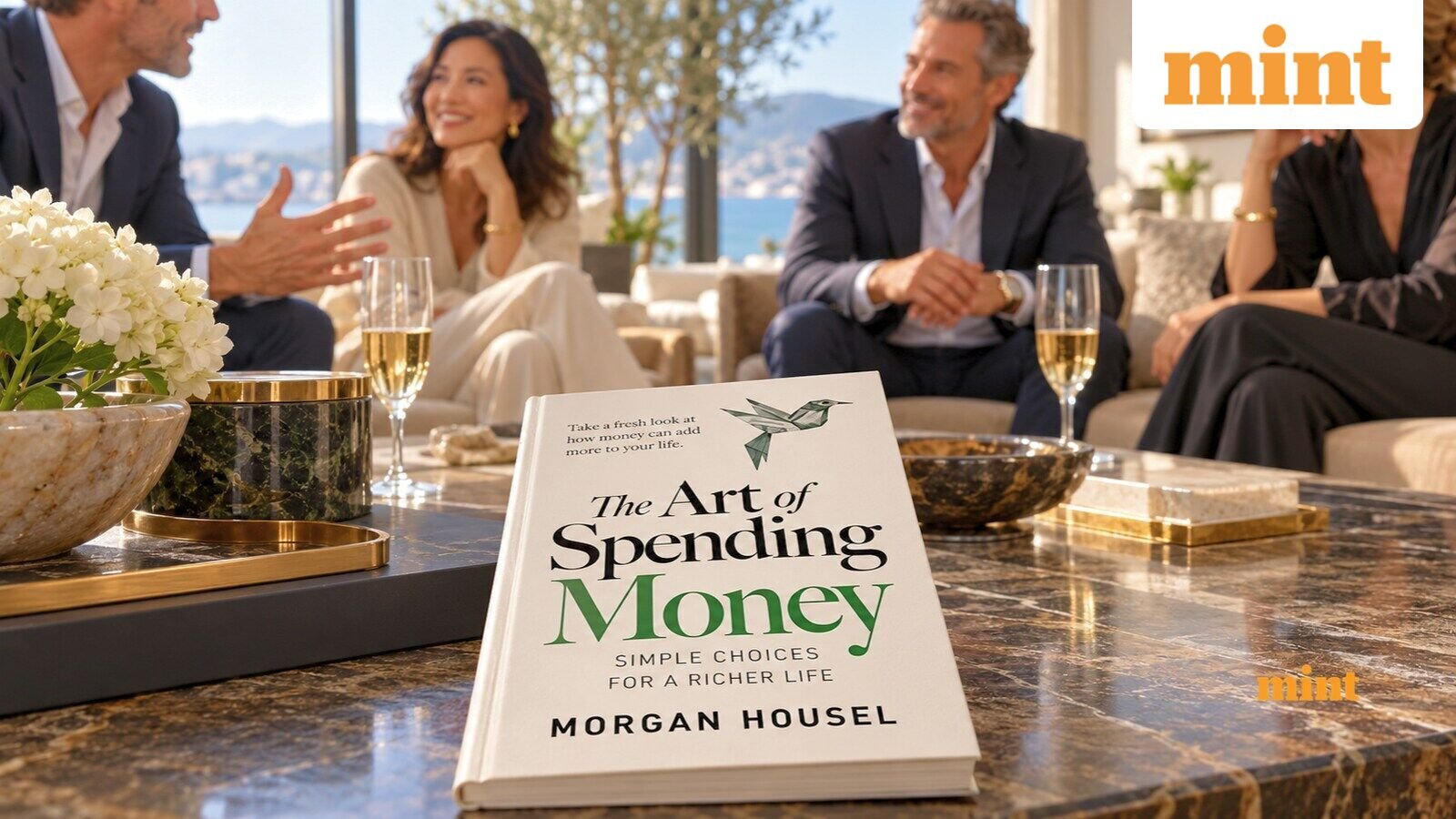
5 money lessons from ‘The Art of Spending Money: Simple Choices for a Richer Life’ by bestselling author Morgan Housel
Spending well means using money to improve your life, says author Morgan Housel. His book, “The Art of Spending Money”, explores how envy, identity and insecurity influence purchases. Its five lessons favour personal satisfaction, useful purchases and freedom over winning approval.
Housel, who wrote “The Psychology of Money”, offers no fixed spending formula. Instead, he encourages readers to understand what makes them happy.
No need to impress anyone
Morgan Housel recalls meeting a hotel guest who spent $21,000 on an armchair. The guest believed wealthy people were supposed to make such purchases. Housel wondered whether he liked it.
Seeking approval can increase desires and reduce satisfaction with existing possessions. Before buying something, consider whether it serves you or impresses others. Feeling comfortable without outside approval can be valuable.
Pay for utility, not status
Utility means how something helps your life. Status means what it tells others about you. Housel suggests a well-equipped Toyota could offer more comfort than an entry-level BMW.
Imagine living somewhere nobody could see your purchases. Would you still choose the same brands? This test helps separate practical value from the desire to show off. Status offers no finish line because someone always has more.
Spend on independence
Money saved can buy control over your time. Housel values choosing his schedule and living without constant hurry.
He contrasts basketball player Antoine Walker with rugby player John Urschel. Walker earned $108 million but later filed for bankruptcy. Urschel earned less, saved heavily and became an MIT professor.
The lesson is that earnings alone cannot ensure freedom. Even small savings can increase your choices and reduce dependence.
Watch out for social debt
Housel describes social debt as the hidden pressure created by visible spending. An expensive purchase can raise expectations among friends, relatives and even yourself.
Buying a car may create pressure to upgrade again later. A small scratch can also become a source of worry. Lottery winners and athletes may face financial demands from people around them. Money becomes harder to enjoy when others treat it as proof of your worth.
Minimise future regret
Housel recommends balancing present enjoyment with future needs. Saving everything or spending everything can both leave regrets.
He suggests experimenting with affordable purchases and keeping what brings happiness. A simple meal or small treat can reveal what you value. Cut spending that feels empty and invest in meaningful memories.
Different people enjoy different things. The goal is spending that supports your life and leaves fewer regrets.