Upgrade is latest fintech to seek ILC charter

- Key insight: Upgrade says its application would give the fintech its own FDIC-insured bank while preserving its existing relationships with partner banks and loan purchasers.
- Supporting data: The neobank says it has provided more than $53 billion in credit to 8.5 million customers since its 2016 founding.
- Forward look: The application comes as regulators have approved a wave of national trust charters, a move that the banking industry has sued to block. The number of ILC applicants — and banks’ opposition to them — has remained relatively muted by contrast.
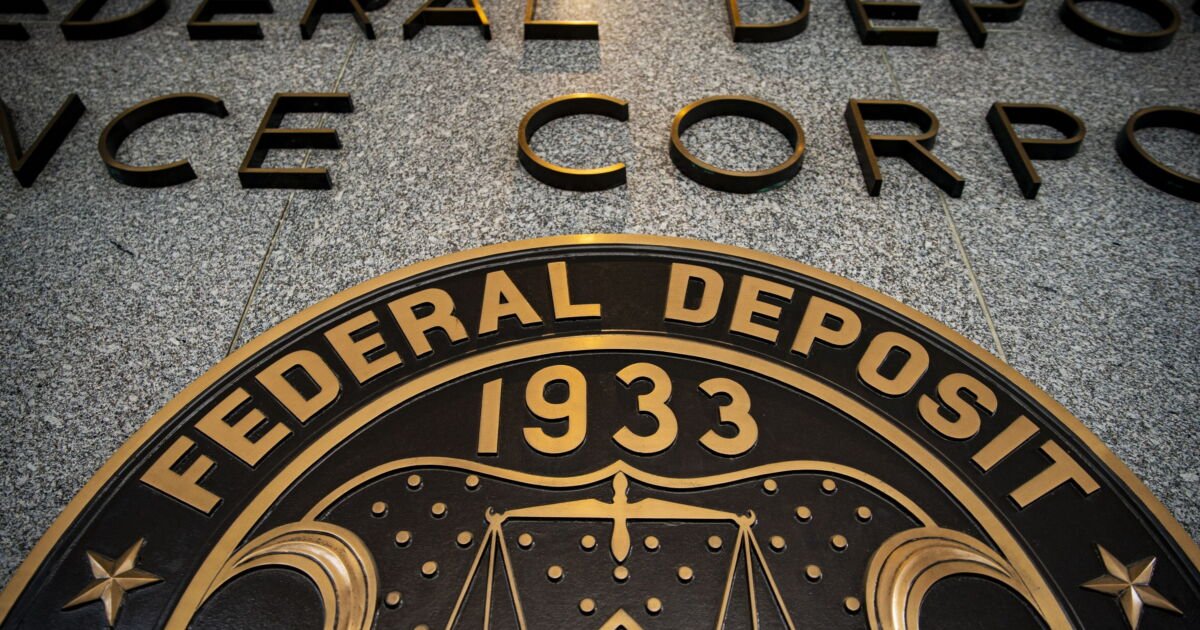
Neobank Upgrade has applied for an Industrial Loan Company Charter with the Federal Deposit Insurance Corp. and the Nevada Financial Institutions Division, according to the company.
Processing Content
The firm, which bills itself as providing “affordable and responsible credit” to the general public, said the ILC charter would complement Upgrade’s established relationships with partner banks and purchasers of loans, and would allow the company to better fund credit products.
Since its founding in 2016, Upgrade has delivered “over $53 billion in credit to more than 8.5 million customers,” the firm said in a release.
“If approved, Upgrade Bank would operate as a wholly owned, Nevada-chartered, FDIC-insured subsidiary of Upgrade, Inc. with independent governance and internal controls, adding to Upgrade’s existing business and bank partnerships,” the company said.
The latest industrial bank bid comes at a moment when bank regulators have been welcoming of new entrants and granted a
Over the same period, there has been a relatively modest uptick in ILC applications. The FDIC in July last year approved a
Flex Rent, a rent payment financing firm applied for an ILC charter in July. Auto behemoths
“We are excited at the prospect of establishing a new bank that will advance Upgrade’s mission of bringing responsible and affordable credit to consumers,” said Virginia Varela, CEO of Upgrade Bank in a release shared with American Banker. Varela was previously an officer at SoFi Bank and President & CEO of Golden Pacific Bank.
Read more:
- As fintechs nab bank charters, what’s happening to BaaS?
- Overheated data center knocked 23 credit unions offline
- Chris Britt still says banking is broken, but Chime can fix it
- Credit unions bulk up a business that banks long dominated
The San Francisco-based fintech provides a host of different consumer loan products, including a mobile platform, buy-now-pay-later, personal loans, credit cards and car loans. The bank’s initial board of directors would include Varela alongside Upgrade’s co-founder Jeffrey Bogan and independent directors Raymond Specht, Daniel Quan, and Dalibor Snyder.
Like state non-member banks, ILCs are regulated by the FDIC and may offer various loan types and deposit-like accounts. But unlike traditional bank holding companies, the parent companies of ILCs are exempt from the Bank Holding Company Act, provided they technically abstain from offering nominally demand deposit accounts.
Banking trade groups and consumer advocates
ILCs, unlike national trust companies, are FDIC-insured, and therefore pay assessment fees to support the Deposit Insurance Fund, the reserve kept by the agency used to fund the rescue of failing banks.