Shubho Mahalaya Amavasya 2026: Check Date, Tithi Timings, Shraddh Muhurat, Rituals and Significance
News
Mahalaya Amavasya 2026 will be observed on Saturday, October 10, marking the final day of the 15-day Mahalaya Paksha period, also known as Pitru Paksha. According to the Chennai Panchang, the Amavasya Tithi will begin at 9:35 PM on Friday, October 9, and end at 9:19 PM on Saturday, October 10.
The day holds religious significance for Hindu devotees who perform Shraddha, Tarpanam, Pinda Daan and other rituals to honour their departed ancestors.
Mahalaya Amavasya 2026: Date, Time, Tithi, Shraddha Muhurat, Rituals and Significance
Also known as Sarva Pitru Amavasya or Pitru Paksha Amavasya, the occasion is considered particularly important for families who wish to offer prayers for their ancestors. It is also observed by those who do not know the exact lunar Tithi of an ancestor’s death or could not perform Shraddha on the prescribed day during Pitru Paksha.
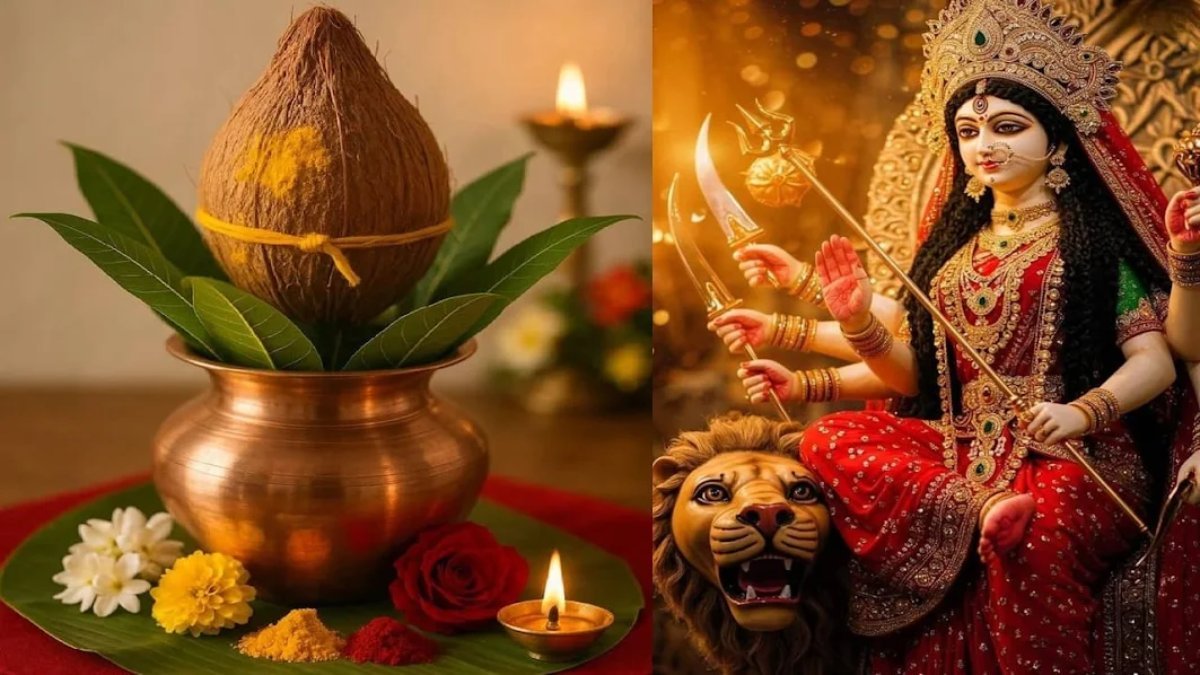
/img/2026/10/durgaashtami1-34911791584880.jpg "Shubho Mahalaya Amavasya 2026")
Mahalaya Amavasya 2026 Date and Time
Mahalaya Amavasya will fall on Saturday, October 10, 2026. The Amavasya Tithi begins on the night of October 9 and continues until the night of October 10, according to the Chennai Panchang.
Mahalaya Amavasya Date: Saturday, October 10, 2026
Amavasya Tithi Begins: Friday, October 9, 2026, at 9:35 PM
Amavasya Tithi Ends: Saturday, October 10, 2026, at 9:19 PM
Pitru Paksha Begins: Sunday, September 27, 2026
Pitru Paksha Ends: Saturday, October 10, 2026
Other Names: Sarva Pitru Amavasya, Pitru Amavasya and Mahalaya Amavasa
The timings mentioned above are based on the Chennai Panchang. The suitable Shraddha Muhurat may differ by city because local sunrise, Tithi calculations and traditional ritual rules determine the appropriate time for performing ancestral rites. Devotees should consult their local Panchang for location-specific timings.
Mahalaya Amavasya 2026: Shraddha Muhurat and Ritual Timings
Mahalaya Amavasya is regarded as one of the most significant days for performing ancestral rites during Pitru Paksha. Shraddha is traditionally performed during the prescribed daytime period, often associated with Kutup Muhurat and Rohina Muhurat, depending on the Panchang and the ritual tradition followed by the family.
The beginning and ending times of the Amavasya Tithi do not, by themselves, determine the Shraddha Muhurat. The local sunrise and other Panchang calculations must also be considered. Therefore, devotees in Chennai, Delhi, Mumbai, Kolkata and other cities may need to follow different local timings.
Families planning to perform Shraddha, Tarpanam or Pinda Daan on October 10 should verify the appropriate Muhurat for their location before beginning the rituals.
Mahalaya Amavasya marks the conclusion of Pitru Paksha, a period dedicated to remembering and honouring departed ancestors in Hindu tradition. During this fortnight, families perform religious rites and offer prayers as a mark of respect and gratitude towards their forebears.
The observance is associated with the Hindu belief in Pitru Rina, or the debt owed to one’s ancestors. Through Shraddha, Tarpanam, food offerings and charity, devotees express gratitude towards previous generations and acknowledge their role in shaping the family’s traditions, values and heritage.
Sarva Pitru Amavasya is considered particularly important because it provides an occasion to offer prayers for multiple departed ancestors collectively. Families may observe the day when the exact lunar death Tithi of an ancestor is unknown or when they were unable to perform the prescribed rites earlier during Pitru Paksha.