Credit card debt: Can banks ask families to repay it after cardholder dies? What if there’s no will? Explained
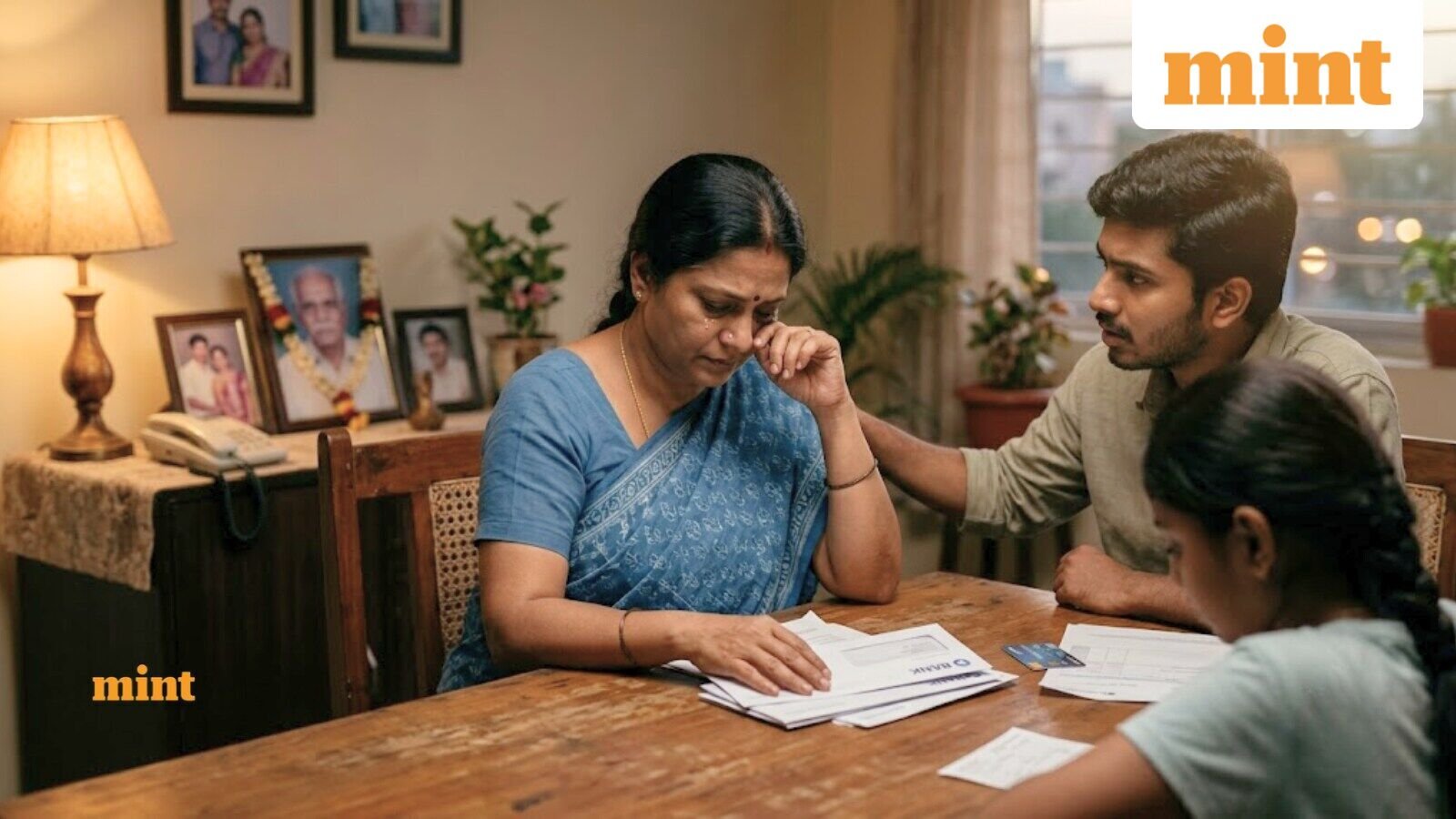
Can banks ask families to repay credit card debt after a cardholder dies? The answer is not always straightforward.
Credit card debt does not disappear when a cardholder dies. However, family members do not automatically become responsible for paying it themselves. Repayment usually comes from assets left behind.
A spouse, child or parent does not personally inherit the deceased person’s credit card debt. They are not required to repay it using their own income or savings.
In the landmark case Shri Harmel Singh vs Shri Ravi Kapoor (2023), the Delhi District Court ruled in the legal heirs’ favour.
“In cases of personal loan without any security, the legal heirs of the deceased are not liable to pay the debts of the deceased,” Indian Kanoon quoted the ruling as stating.
“If, however, the legal heirs inherit the properties or assets… they would be liable to pay… strictly to the extent of what they have inherited,” the ruling added.
However, the position can differ for joint account holders or co-applicants. The deceased person’s assets together form what is called their ‘estate’. These may include savings, fixed deposits, property and other belongings.
Credit card companies can claim outstanding dues from these assets before heirs receive their inheritance. This means unpaid debt can reduce the amount available to the family.
Someone must manage the estate and arrange repayment of its debts. Where there is a will, its executor handles this responsibility. The executor pays outstanding debts from estate funds before distributing the remaining assets.
Where there is no will, a court appoints an administrator. This person manages the property, settles debts and distributes whatever remains.
“Legally, the executor settles debts first, or a court-appointed administrator if there is no will. RBI guidelines also restrict recovery agents from pressuring families. With over ₹2.91 lakh crore in card dues outstanding nationally in October of 2025, this is a common situation,” said Devang Bhabal, QPFP®️, Manager – Business Development at Choice Wealth.
Managing these payments does not mean paying the bills from personal funds. The money should come from the deceased person’s estate.
“Credit card debt is unsecured and personal, so it doesn’t disappear after death. Rather, it becomes a claim on the estate. Legal heirs are liable only up to the value of what they inherit,” Bhabal said.
“Banks can recover from the deceased’s bank balance, investments or other assets, and if there are none, the debt is written off. Liability survives only for joint holders or co-applicants. Add-on users are treated differently from joint holders,” he added.
What if there are insufficient funds?
Sometimes, the assets left behind are insufficient to cover the credit card bill. For example, if unpaid dues are ₹3 lakh and assets total only ₹1.5 lakh, that amount goes towards repayment. The remaining debt is written off by the card issuer as a loss.
In such circumstances, creditors cannot force relatives to pay the balance from their own money. However, joint accounts and co-applicant arrangements require attention, as responsibilities can differ. The report identifies these as situations where another person may become liable.
Heirs may also face delays when claiming assets before outstanding debts are settled. Banks can approach courts to recover dues, leading to disputes over inheritance.
Family members need to distinguish personal liability from claims against inherited assets. The debt affects the estate, even when relatives are not personally liable.
Devang Bhabal advises the family to inform the issuer, submit the death and legal heir certificates and check for credit-shield cover. He also suggests keeping a card inventory and, most importantly, an updated will.