U.S., Canada still see sticking points before deadline for 50% tariffs

By Nojoud Al Mallees
(Bloomberg) — Canada’s chief trade negotiator told a government advisory group that there’s still a significant amount of work to do to reach an agreement that would stave off a new wave of U.S. tariffs next week.
Janice Charette, who’s leading the Canadian side alongside cabinet minister Dominic LeBlanc, told members that talks are expected to continue through the weekend in search of a deal to lower tensions between the two nations, which did almost $900 billion of trade with each other last year.
“What we heard is that there’s quite a bit of work yet to do in a very short amount of time to get to an interim deal by next Wednesday. So that’s the downside,” said Candace Laing, chief executive officer of the Canadian Chamber of Commerce and a member of Prime Minister Mark Carney’s advisory committee on Canada-U.S. economic relations.
The “upside” is that the discussions appear to be constructive, Laing said.
Canadian officials have been camped out in Washington for meetings with their U.S. counterparts ahead of Aug. 19, the date when the White House has threatened to implement 50% tariffs on an array of Canadian products using a law that dates back to the Great Depression.
Earlier on Friday, U.S. Trade Representative Jamieson Greer said Canada needs to scrap its retaliatory trade measures to avoid the new duties.
Carney’s government is also aiming to achieve reductions in the Section 232 tariffs that have been in place for more than a year, hurting the Canadian steel, aluminum and auto sectors.
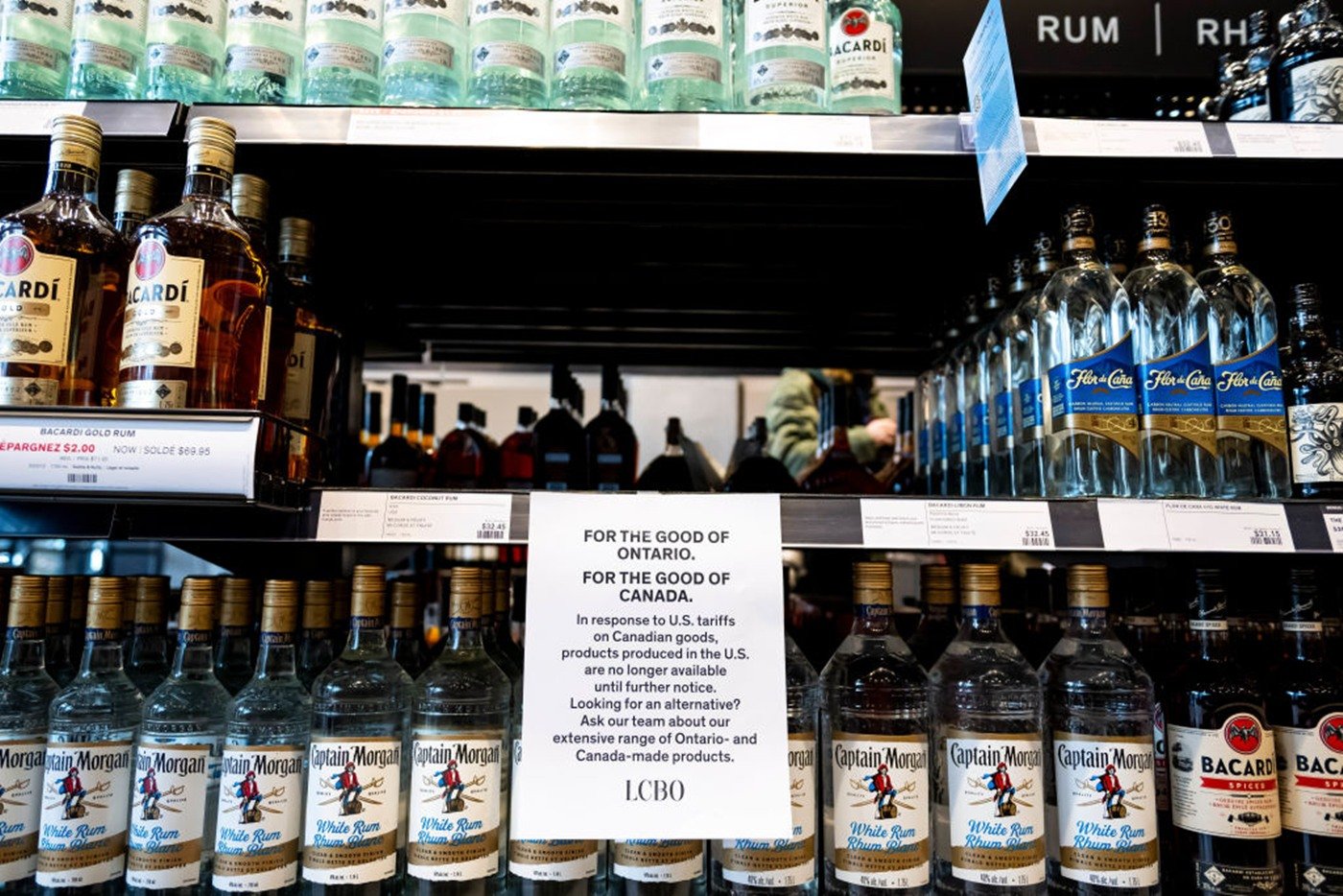
In exchange, the U.S. wants Canada to bring back American alcohol to provincial liquor stores and address other irritants in the bilateral relationship, such as dairy quotas and retaliatory automotive tariffs.
Laing said there are “outstanding discussions on to what level can each party move on some of those key issues.”
Canadian officials have warned that if the 50% tariffs take effect, it would take the trade dispute into new territory. Carney is already facing some public pressure to retaliate. The prime minister hasn’t given away any plans, but has said all options would be on the table if the new levies are imposed.
Laing said members of the advisory committee provided their input on what the government should do.
“From the Canadian Chamber of Commerce perspective, we are concerned on the impacts and harm of escalation caused by retaliation,” Laing said. The two economies are deeply integrated, so Canada needs to balance its desire to respond to US tariffs with the need to avoid self-harm, she said.
–With assistance from Thomas Seal.
©2026 Bloomberg L.P.
Visited 14 times, 14 visit(s) today
bloomberg Candace Laing Dashboard Dominic LeBlanc economic news Jamieson Greer tariffs trade trade war
Last modified: August 15, 2026