Homeowner alleges Nationstar foreclosed after serving her at a vacant house
The homeowner borrowed $260,000 to buy the home in 2006 and paid on time for at least twelve years, according to the suit. In 2018 a storm ripped off much of her roof. Her insurance didn’t cover a full replacement, she says, so she moved out temporarily to arrange repairs, left her belongings inside, and kept coming back to check the mail and the property. Then came a spell of unemployment, and in early 2020, a stroke. She fell behind on payments.
Rushmore took over servicing in March 2020, with the loan already in default. The homeowner says she kept in regular contact and gave the servicer a mailing address where it could actually reach her. That point matters later.
In 2022, according to the suit, Cyprexx changed the locks at Rushmore’s direction. When the homeowner called to ask why, she says no one told her how to get back inside. By her account, the servicer had already deemed the property vacant.
The foreclosure followed in July 2024. The servicer and trustee filed suit, the homeowner alleges, and sent a process server to the empty house – the one Rushmore had deemed vacant. The filing says the server never reached her but claimed to leave the papers with a “co-resident.” The homeowner says she never had one, and no one lived there. Never served, she says, she never appeared, and the court entered a default against her.
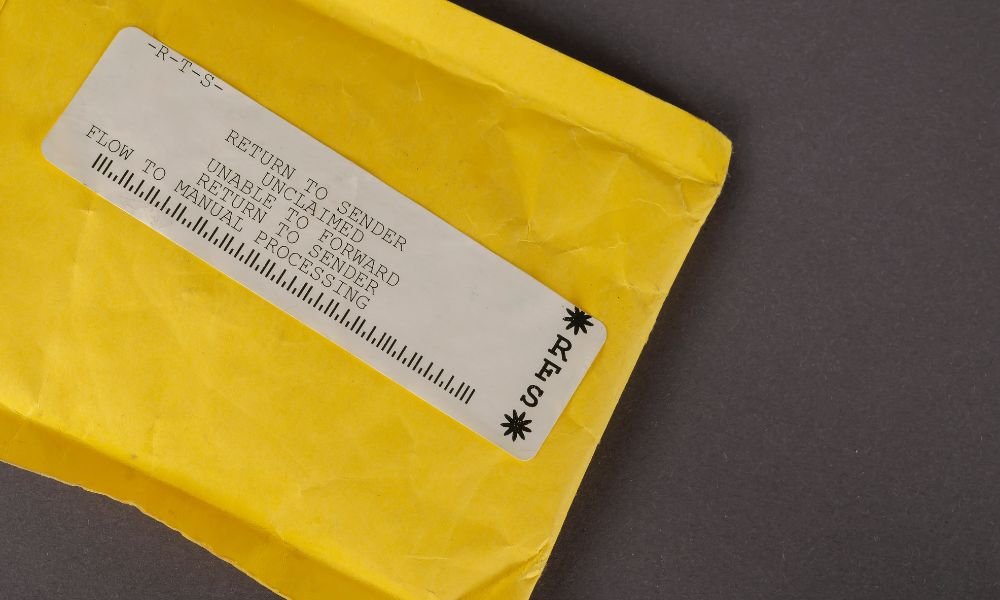
From there, the suit alleges, the misfires compounded. Later notices went to the vacant home even though the servicer had a P.O. box and email on file, according to the filing. It claims the Postal Service returned the sale notice as undeliverable eleven days before the auction, and that the sale went ahead anyway. On June 13, 2025, the home sold for $444,417.57, short of the roughly $470,862.05 the filing says was owed, leaving a deficiency of more than $25,000.