RBI policy remains unchanged — but is this the right time to revisit and strengthen your emergency fund strategy?
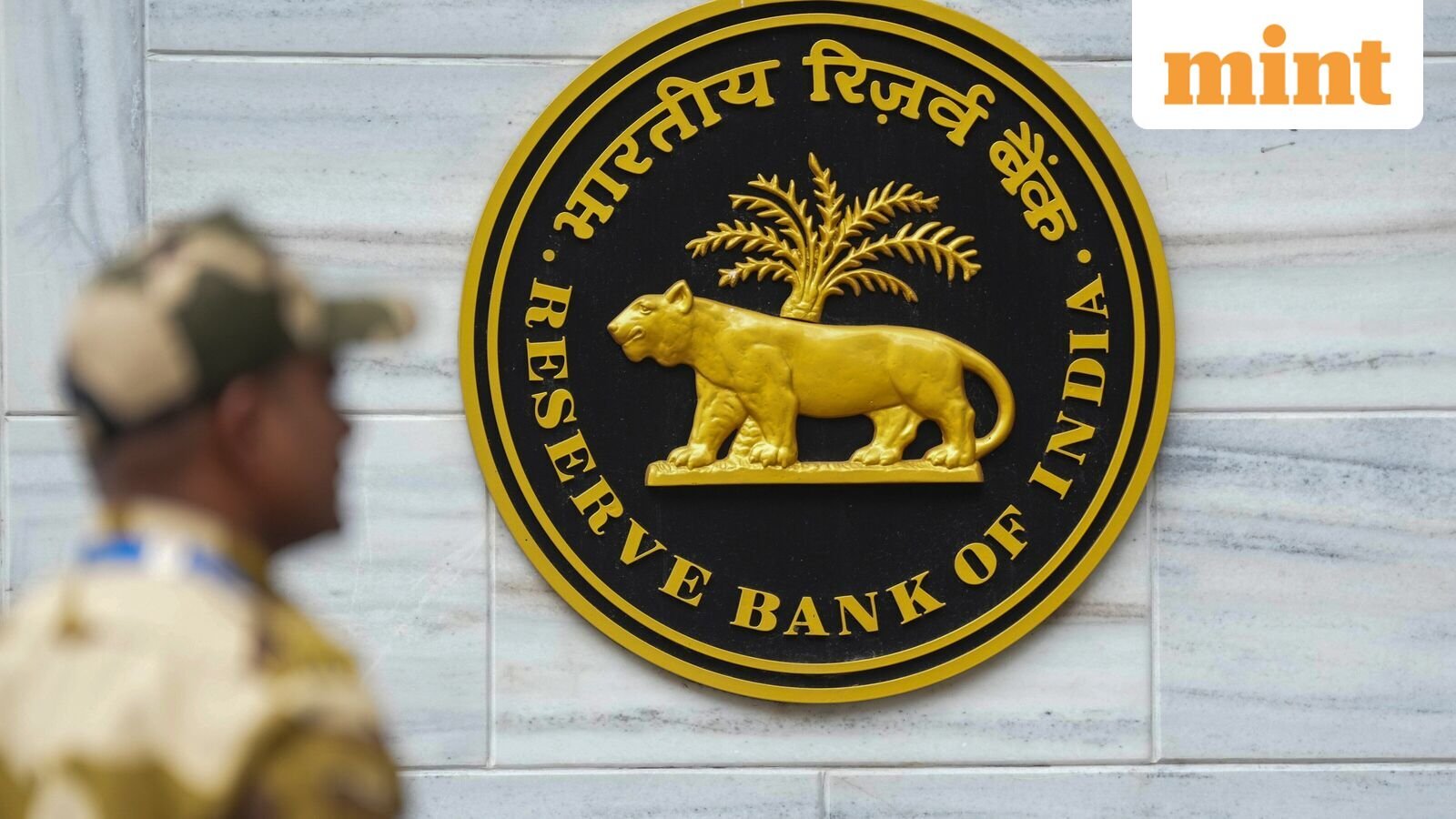
The Reserve Bank of India (RBI) on Wednesday, August 5, kept the policy repo rate unchanged at 5.25% and retained its “neutral” stance, signaling a cautious wait-and-watch approach amid rising global and domestic uncertainties.
Announcing the decision after the August Monetary Policy Committee (MPC) meeting, RBI Governor Sanjay Malhotra said the growth outlook remains uncertain because of factors such as the Southwest monsoon, El Nino conditions, geopolitical tensions in the Middle East, and global trade policy developments.
He added that the central bank needs greater clarity regarding inflation, its path and composition before taking any policy action, while also keeping in mind the need to recalibrate rates in line with evolving growth and inflation dynamics.
The RBI’s emphasis on inflation risks and uncertainty may make retail investors wonder whether they should preserve liquidity instead of chasing higher returns in equities and other such investments. Here’s what a Sebi-registered investment expert has to say about it.
Should investors focus on liquidity?
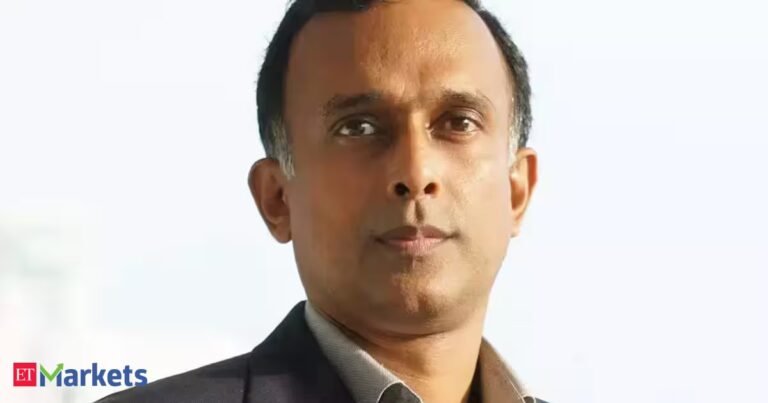
The central bank’s policy decision reinforces the importance of financial preparedness, but it should not prompt investors to alter their long-term investment strategy based on a single event, said Harendra Zatakia, the Founder of Wealth Aligned Financial Advisory, adding that investors should avoid viewing this as a choice between liquidity and returns.
“Reacting to every monetary policy announcement is closer to trading than investing. Liquidity serves a specific purpose, to meet emergencies and short-term financial needs, whereas equity investments are meant for long-term wealth creation,” the Sebi-registered investment advisor said.
He advised that instead of chasing returns or increasing cash holdings based on market sentiment, investors should continue investing according to their financial goals, risk profile and strategic asset allocation.
Minimum emergency fund that one should maintain
Zatakia recommended salaried individuals to maintain an emergency fund equivalent to around 12 months of their essential household expenses, while he warned that the requirement largely differs from person-to-person.
“Given today’s uncertain job market, rising cost of living and longer job search cycles, a larger liquidity buffer provides both financial stability and peace of mind,” he said.
The ideal emergency fund, he said, depends on the following factors:
- The ease of finding a new job
- The demand for one’s skills
- Years of work experience
- The number of earning members in the family
- Financial dependents
- Existing liabilities
For instance, someone with highly specialised skills or variable income may require a larger buffer than someone with stable employment and multiple sources of income which can sustain them longer.
He also advised that a dedicated emergency fund can be built through investments in safe and liquid instruments such as a savings account, sweep fixed deposits or liquid mutual funds.
Should investors avoid debt right now?
Zatakia also advised investors to remain cautious about taking high-cost debt such as personal loans or revolving credit card debt, irrespective of the interest rate cycle. Such borrowings generally carry interest costs that are difficult to justify through investment returns alone.
More importantly, borrowing decisions should be driven by cash flow requirements rather than market conditions, he said.
The expert also asserted that before taking any new loan, individuals should assess whether the repayments comfortably fit within their monthly budget without affecting their emergency fund, insurance protection or long-term investments in different assets.
Where should investors put money in this situation?
According to the expert, asset allocation should be driven by an investor’s financial goals, investment horizon and risk profile, not by individual policy announcements.
Citing an example, he said, a 35-year-old salaried investor with a moderate risk profile who wishes to invest ₹30,000 per month for long-term wealth creation can allocate their funds in the following way:
- ₹18,000 (60%) in diversified equity mutual funds for long-term growth.
- ₹9,000 (30%) in debt investments such as debt mutual funds, EPF or PPF toprovide stability and reduce portfolio volatility.
- ₹3,000 (10%) in Gold ETF or Sovereign Gold Bonds (when available) to improve diversification and act as a hedge during periods of uncertainty.
“Instead of modifying portfolios after every policy announcement, investors should continue investing systematically and rebalance periodically to maintain their desired asset allocation,” he said, noting that asset allocation should change only when there is a material change in an investor’s financial goals, investment horizon or risk profile, not because of a single macroeconomic event.
Disclaimer: This story is for educational purposes only. The views and recommendations made above are those of individual analysts or broking companies, and not of Mint. We advise investors to check with certified experts before making any investment decisions.
About the Author
Eshita Gain is a digital journalist at Mint, where she joined in May 2025. She writes on corporate developments, personal finance, markets, and business trends, with a focus on delivering timely and relevant stories to a broad audience.
While her core beat lies in business and finance, she is not confined to a single niche and frequently explores stories across domains, including international relations and policy developments.
She holds a postgraduate diploma in business and financial journalism by Bloomberg from the Asian College of Journalism (ACJ), Chennai. During her time there, she received rigorous training in tracking financial data, interpreting corporate filings, and reporting on business developments. She has pursued her graduation from St. Joseph’s University, Bengaluru in a multi-disciplinary course. Her majors included Journalism, International Relations, peace and conflict studies.
Eshita has previously worked in digital marketing, which enables her to write SEO friendly copies that are clear and engaging.
Her primary interest lies in breaking down complex subjects and writing clear, accessible copies that inform readers. She aims to bridge the gap between technical financial language and everyday understanding.
Outside the newsroom, Eshita enjoys reading non-fiction, and exploring new places, constantly seeking fresh perspectives and stories beyond headlines.