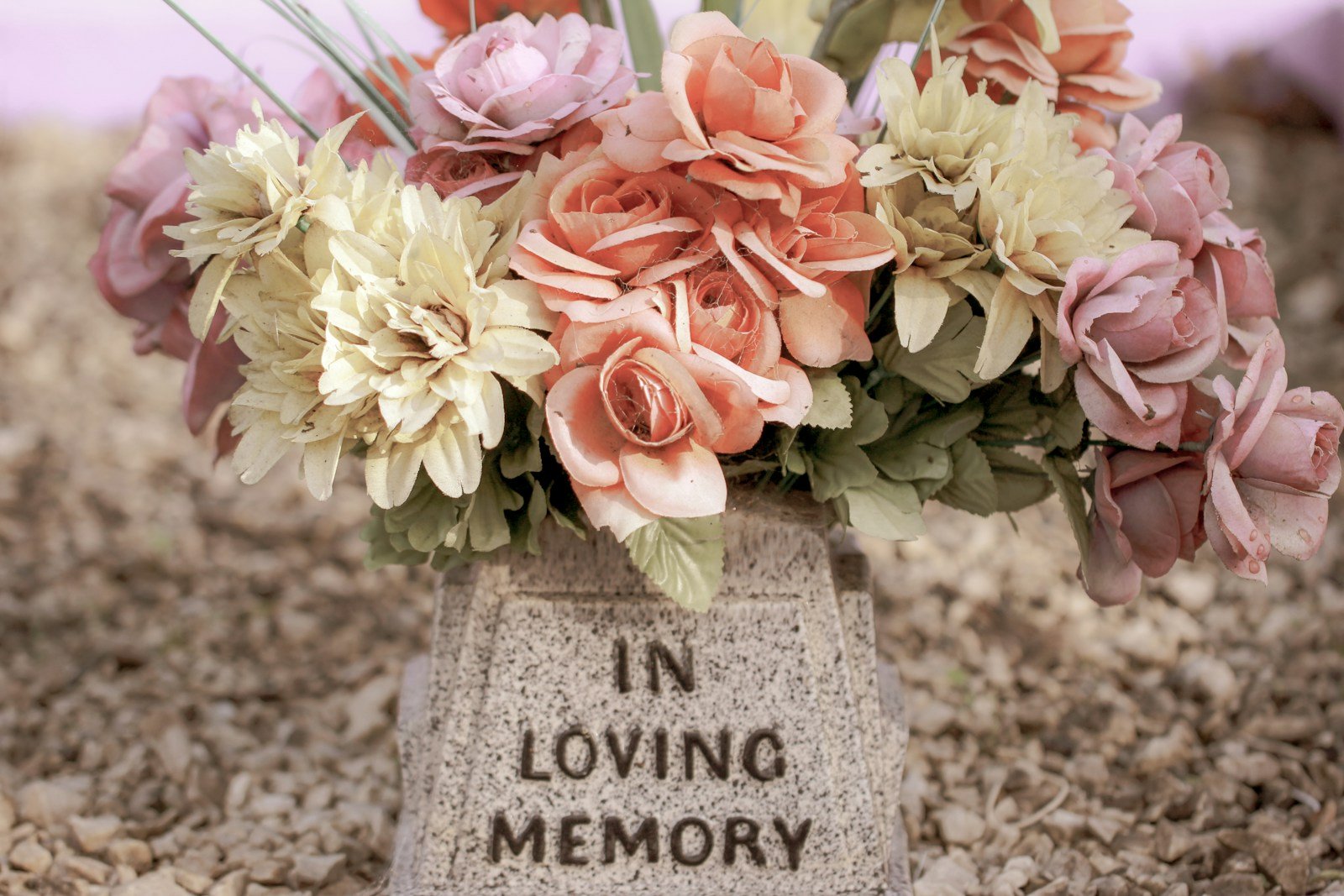
Does Burial or Cremation Make More Financial Sense?
Thinking about money is the last thing you want to do after a loved one dies, but you need to make a decision regarding their final disposition. For centuries, burial was the most common choice, but in recent years cremation has become quite popular. It’s easier and less expensive than a traditional burial that often comes with a long list of additional fees most people don’t expect.
With that said, here’s a closer look at the financial aspect of each option.
Burial Usually Costs More Than Cremation
Many people mistakenly think that when a loved one dies, they just need to buy a casket and pay a fee to the funeral home for the burial. In reality, a burial comes with a long list of expenses that often cost more than a used car.
The cost of a burial can exceed the cost of cremation by thousands of dollars, depending on what options you choose. For example, adding a viewing to the funeral will increase funeral home fees, and choosing a high-end casket or elaborate headstone can make the total expenses rise significantly over cremation. The most expensive item is the casket.
A Casket Will Be Your Biggest Expense
If you’re opting for a traditional burial, you’ll need a casket. Although caskets are largely a cultural tool that provide a dignified way to transport bodies, they’re also practical. A casket, along with the grave liner, prevents the soil from collapsing under the weight of lawn mowers and other heavy equipment used to maintain the cemetery grounds. Because of this, most graveyards require both a casket and grave liner, and that’s where funeral homes cash in big. Where you purchase a casket matters. If you buy one from the funeral home, you can expect to pay a significant markup. You’ll save more money by purchasing directly from the manufacturer.
The Cost Of A Burial Plot Varies By Location
Once you account for the cost of the casket, you’ll need to be strategic about the burial plot. It makes sense to bury your loved one nearby so you can visit, but the cost of burial plots varies significantly, and it’s worth shopping around. For instance, the average plot in a rural area can cost between $500 and $5,000, but in certain metropolitan areas the cost can reach between $9,000 and $20,000. It all depends on where the plot is located. Private gardens and premium parks are going to come with a heftier price tag.
At the end of the day, a basic burial can cost you between $10,000 and $15,000. When you compare that cost to cremation, you’ll understand why more people are skipping traditional burials.
Cremation Costs Less Than Burial Even With Extras
Compared to traditional burials that come with a host of expenses and fees, cremation is much simpler and far more affordable. Although you can still opt for a funeral and viewing if it’s in your budget, a direct cremation is less expensive. In this case, you can expect to pay between $1,000 and $3,000 for direct cremation plus the cost of the urn, which is drastically lower than even the simplest burial. If you’d like to offer a memorial service, it will cost more, but it will still be less than a burial. For instance, cremation with a memorial service might cost you between $3,000 and $7,000 total.
The Value Of Cremation Extends Beyond Saving Money
As with any big decision, cost is a factor, but there’s another benefit to cremation. In fact, many people choose cremation so they can keep their loved one’s ashes to honor them in various ways. For example, many people have some of the ashes embedded into jewelry or made into paint used by an artist to craft a memorial painting.
“When a family chooses cremation, they’re not just choosing the lower-cost option; they’re choosing flexibility that lets them honor a life in a personal way,” says Susan Fraser, founder of In The Light Urns, who has guided families through memorial decisions since 2001.
“I’ve worked with thousands of families balancing budgets with meaning. Cremation typically costs far less than a traditional burial. There’s no plot to purchase, no vault fees, none of the added expenses that drive burial costs so high. Families can put that difference toward a custom urn or keepsake that actually reflects the person. It doesn’t replace grief, but it removes the financial pressure so healing can start.”
Ultimately, choosing between burial and cremation is both a financial and personal choice. Whether you choose a traditional burial or cremation, you don’t need to spend a fortune on closure.
Photo by Sandy Millar: Unsplash