Income-tax return: Here’s a checklist of required documents for smooth ITR filing process
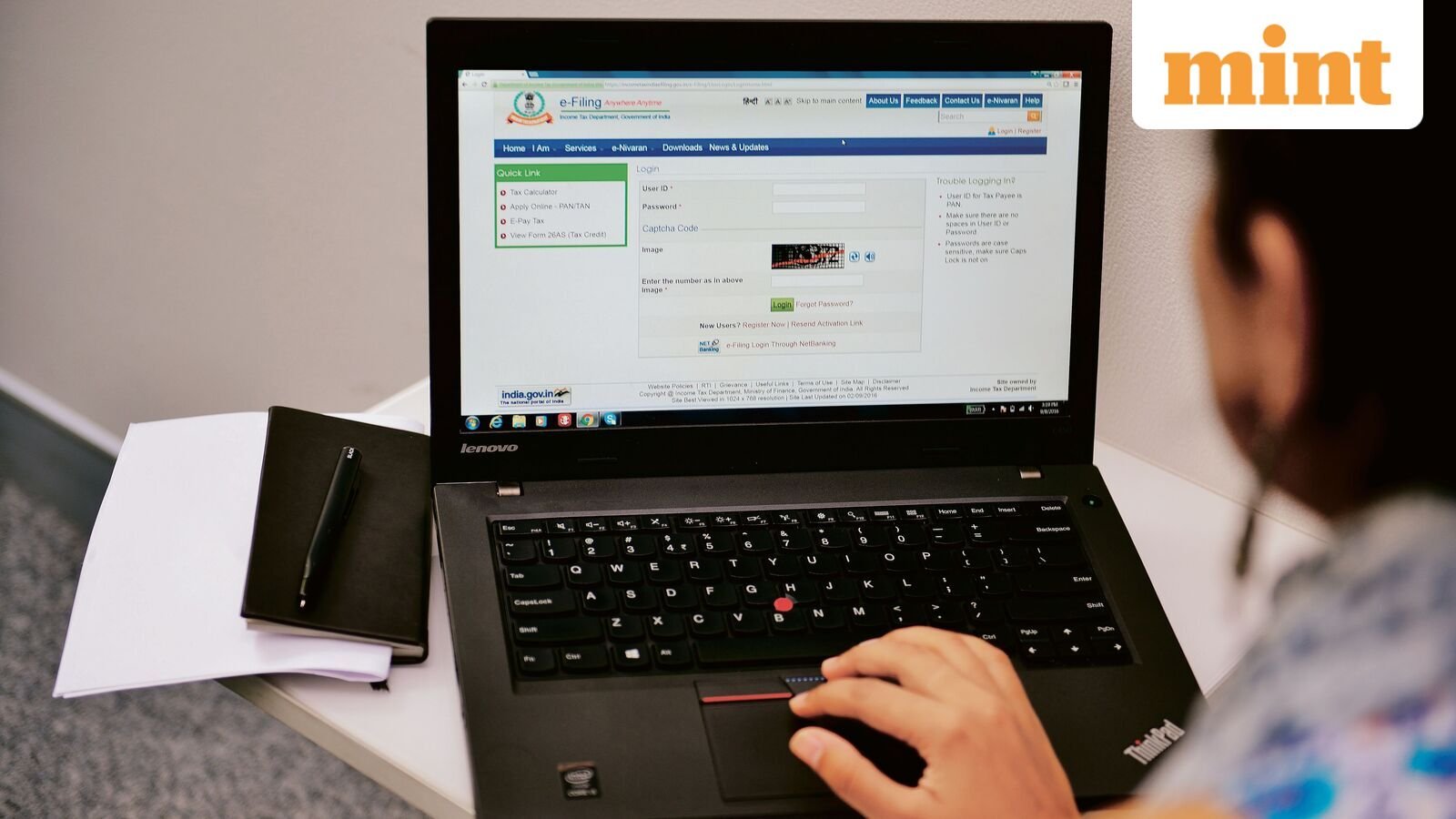
The income-tax department notified all I-T return forms and enabled excel utility for ITR-1 (Sahaj), ITR-2, ITR-3, and ITR-4 (Sugam), ITR-5 and ITR-7 online forms for financial year 2025-26 i.e. assessment year 2026-27 (FY26 / AY27). Taxpayers can use the e-filing portal (https://www.incometax.gov.in/) and must register (you will need Aadhaar, PAN and other details) or log into the website with your User ID and password to do so.
Notably, the availability of excel utility means that you can prepare your returns offline before filing in the details and uploading the file digitally. You can access them here — https://www.incometax.gov.in/iec/foportal/downloads/income-tax-returns
While the overall e-filing process has become quicker, the process can be daunting for first-time filers. Salaried individuals overwhelmed by the process can use this checklist to ensure that they are properly prepared before filing ITR. Today, we take a look at the required documents, the forms you should choose, the deadline for filing returns. Here’s a simple checklist to ensure you are prepared before filing ITR:
Filing ITR? Here’s a checklist of required documents
When preparing to file your returns, taxpayers should keep these documents ready as applicable:
- Investment proofs (including bank deposits, PPF deposits, etc.), home loan interest certificate, and insurance premium payment receipts.
- PAN Card, and
- You can also access your Form 26AS from the TRACES website. This document summarises income on which TDS has been deducted, which is crucial for accurate tax filing.
What is the deadline of filing returns?
The deadline for filing your ITR without incurring penalties for delayed returns this year is 31 August 2026. With the date approaching steadily, coupled with concerns over last-minute rush and possibility of technical or calculation glitches, now is the ideal time to file your returns comfortably. You can still file a delayed ITR till 31 December 2026, but this would cost you extra based on your taxable amount.
When filing your returns, taxpayers must complete the process by e-verifying their ITR within 30 days. Failure to do so may result in your ITR refund being delayed due to “invalid” or “incomplete” process.
The I-T department has clarified that you can complete the requirement on the e-filing portal using Aadhaar OTP, net banking, or electronic verification code (EVC) generated using a pre-validated bank account or pre-validated demat account, to ensure a secure and hassle-free process.
Which ITR form should I choose?
If you do not know which return form to choose, click “Help me decide” under which ITR form to file and the portal will display the eligibility conditions for different ITR forms based on your taxpayer status. Read these conditions carefully, select the form that matches your eligibility, and click “Proceed to ITR filing.”