Dhanteras, Diwali 2026: Buying gold jewellery or silver coins? Check these 6 key details in your bill before paying
With Dhanteras falling on November 6 and Diwali on November 8, many buyers will be shopping for gold jewellery, silver coins, and other precious metal items.
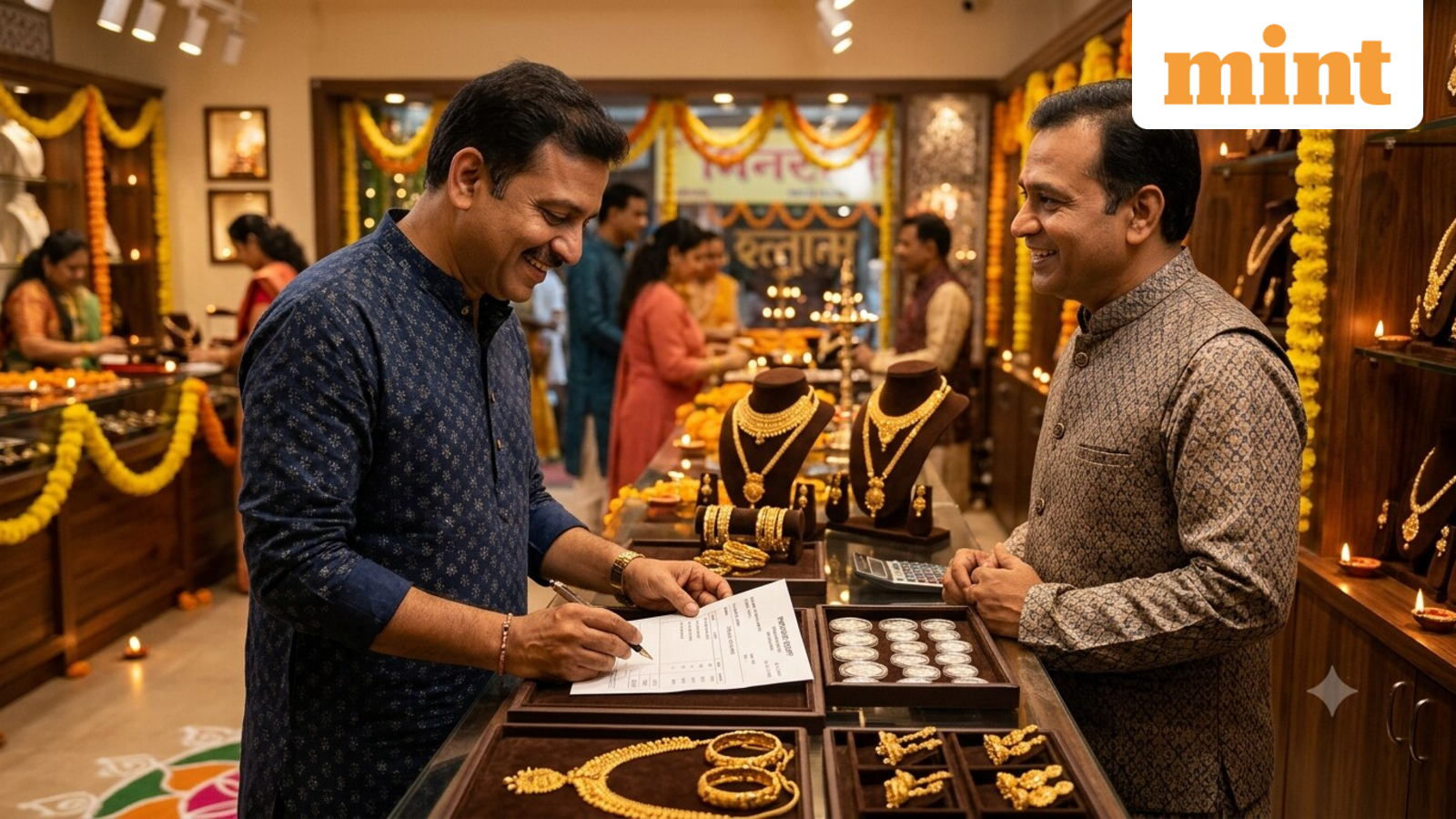
Before making a payment, buyers should carefully check their bills to avoid incorrect pricing, hidden charges, and disputes later. Experts explain the 6 key details buyers should check in their purchase bills.
Check weight, purity and other charges in bill
Manish P. Hingar, Chartered Accountant, Founder and Chief Executive Officer, Fintoo, said buyers should check every detail on the invoice. It should mention the item description, gross and net weight, purity (22K or 916), per-gram rate, making charges, hallmarking charges, stone value and GST separately.
Charges that are often bundled or hidden include wastage or “value addition” folded into making charges, stone weight billed at the gold rate, and hallmarking charges merged into the gold value. If a charge is not on the bill, you should not pay for it, Vedant Gupte, Co-Founder and CEO of Investment platform Trackk, said.
Verify GST calculation and tax amount in the bill
Jignesh Mehta, Founder & Managing Director, Divine Solitaires, said GST on finished gold and silver jewellery is 3% of the total transaction value, including making charges.
“The 5% GST rate only comes in when you bring your own gold and pay the jeweller to make something from it. That 5% is on the making charges,” Hingar added.
For example, if you buy finished gold jewellery, the gold value is ₹1,40,000 and making charges are ₹14,000; the taxable value will be ₹1,54,000. At 3% GST, the tax comes to ₹4,620, taking the final bill to ₹1,58,620.
Compare the jeweller’s quoted rate with the current market price
Mehta said buyers should compare the quoted price with the prevailing market rate on the purchase date and ensure you are comparing the same purity. For example, 22-karat gold is generally marked 916, while 24-karat gold is marked 999. Check the net precious metal weight and multiply it by the applicable rate to understand the actual metal value.
Gupte suggested checking the morning’s benchmark 24K gold rate from IBJA or another reliable source. For 22K gold, multiply the 24K rate by 0.916, and for 18K gold, by 0.75. The jeweller’s per-gram rate should be close to the resulting figure.
Check the 6-digit HUID on the jewellery and in the bill
Hingar said hallmarked gold jewellery should carry three marks: the BIS logo, a purity mark such as 22K916, and a six-digit HUID. Buyers can enter the HUID in the BIS Care app using the ‘Verify HUID’ option to check the jeweller, purity and item details. You should also ensure that the HUID is mentioned on the bill.
“Silver hallmarking isn’t compulsory, but if the silver is hallmarked, it’ll have an HUID too,” he added.
Ensure separate line-items for studded jewellery, gold and silver coins
Mehta said buyers purchasing studded gold jewellery should check both gross weight and net gold weight. The invoice should separately mention the gold weight and value, stone details and value, and making charges. This is particularly important when purchasing diamond jewellery.
If buyers purchase gold jewellery and silver coins together, Gupte said each item should have a separate invoice entry with its weight, purity, rate and value. Silver coins should mention their fineness, usually 999, and typically carry little or no making charges.
Separate entries also make future exchanges, resales and disputes easier to handle. Buyers should avoid accepting a single combined amount for different items, Hingar said.
Watch out for hidden charges and misleading billing practices
Hingar said buyers should be cautious of ‘zero making charges’ offers in the festive season, as the cost may have been shifted to a higher gold rate. Discounts are sometimes applied to a price that was pushed up first.
Other red flags include separate wastage charges, 22K rates quoted for lower-purity jewellery and missing hallmark details. He advised buyers to compare the final per-gram cost across two or three jewellers, verify the HUID and retain the GST bill.
Gupte cautioned against cash discounts offered without a GST bill, undocumented deductions during old-gold exchanges, rounded-up weights and purity stamps without the BIS logo.
Mehta said buyers should also watch out for unclear pricing, inflated making charges, incorrect weight calculations, undisclosed deductions and vague exchange or buyback conditions.
Disclaimer: This is for informational purposes only. Buyers should check the latest applicable rules and details before making a purchase.