Attorneys General sue Treasury over ownership reports

- Supporting data: The Corporate Transparency Act, which establishes beneficial ownership reporting requirements, was enacted in 2021 with overwhelming bipartisan support; Congress overrode Trump’s veto of the legislation.
- Key insight: The lawsuit says the decision to exempt most companies from the law’s requirements violates constitutional separation of powers and the Administrative Procedure Act.
NEW YORK — Twenty-one Democratic Attorneys General sued the Trump administration Tuesday for their decision to suspend a policy requiring domestic entities to report information on the true owners of their companies.
Processing Content
In the lawsuit filed by the coalition against the Treasury’s Financial Crimes Enforcement Network, the officials said the decision to halt beneficial ownership reporting requirements flies in the face of the bipartisan anti-shell company legislation the Corporate Transparency Act.
“Congress enacted the Corporate Transparency Act in response to a problem that has long plagued law enforcement and tax administration in the United States: the existence of secretive shell corporations, arranged in complex, layered structures designed to hide information about the individuals who own or control them, a category of information referred to as beneficial ownership information,” they wrote. “Now, ignoring Congress’s judgment, the Treasury Department has promulgated a regulation that exempts from the law’s ambit all domestic companies — over 99.9% of the entities originally required to report — effectively repealing the Act.”
The lawsuit comes after the administration exempted domestic companies from reporting requirements after business groups spent years lobbying against the measure, which requires business owners and those deemed to “control” a company to report basic identifying information. The law and its reporting regime had sweeping bipartisan support, so much so that Congress overrode President Trump’s veto of the law late in his first term.
The Treasury announced in March 2025 it would not enforce the Act’s reporting requirements and later issued a
For banks, the decision to
The officials are suing on both administrative and constitutional grounds, arguing the final exemption rulemaking violates the CTA, goes against Congressional intent to root out shell companies and violates the Separation of Powers and Take Care clauses of the constitution, which give Congress exclusive lawmaking authority. They are seeking the court to block the implementation of the Trump Administration’s exemption rule.
Read more:
The AGs say the administration’s argument for “effectively repealing” the Act was blatantly political and allows bad actors to remain undetected.
“The Interim Exemptions Rule’s reasoning for eviscerating the Act in this manner relied, first and foremost, on nakedly political considerations,” the suit argues. “The Exemptions Rules create a set of exemptions to the Corporate Transparency Act’s beneficial ownership reporting scheme that guts the Act’s reporting requirements by providing multiple avenues for malign actors to avoid any beneficial ownership reporting at all.”
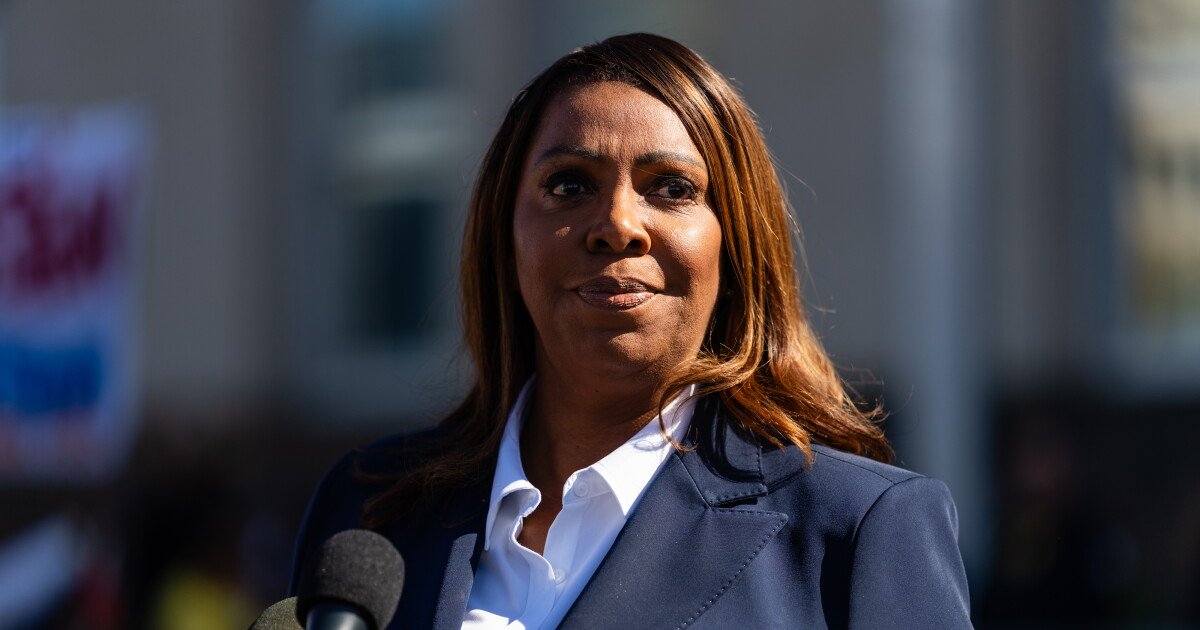
New York Attorney General Letitia James wrote that the lawsuit seeks to ensure shell companies and their affiliates are held accountable.
“Secretive shell companies help drug traffickers, tax cheats, and other criminals hide their illegal profits,” James