Greg Abel Made Major Additions to Alphabet and Delta Last Quarter While Berkshire Bought Back $4.4 Billion of Its Own Stock. Is This a Buying Signal Investors Should Watch?
When Warren Buffett stepped down as CEO of Berkshire Hathaway (BRKA +1.08%) (BRKB +1.21%), there were a lot of eyes on his successor, Greg Abel. Would Buffett’s replacement follow the Oracle of Omaha’s approach to buying stocks?
Less than a year into Abel’s tenure, we’re getting an answer. Berkshire went on a buying spree during the second quarter, adding to its positions in Alphabet (GOOGL -2.47%) (GOOG -2.32%) and Delta Air Lines (DAL -3.47%). And another purchase stood out — $4.5 billion of Berkshire Hathaway’s own stock.
Here’s what that means for investors.
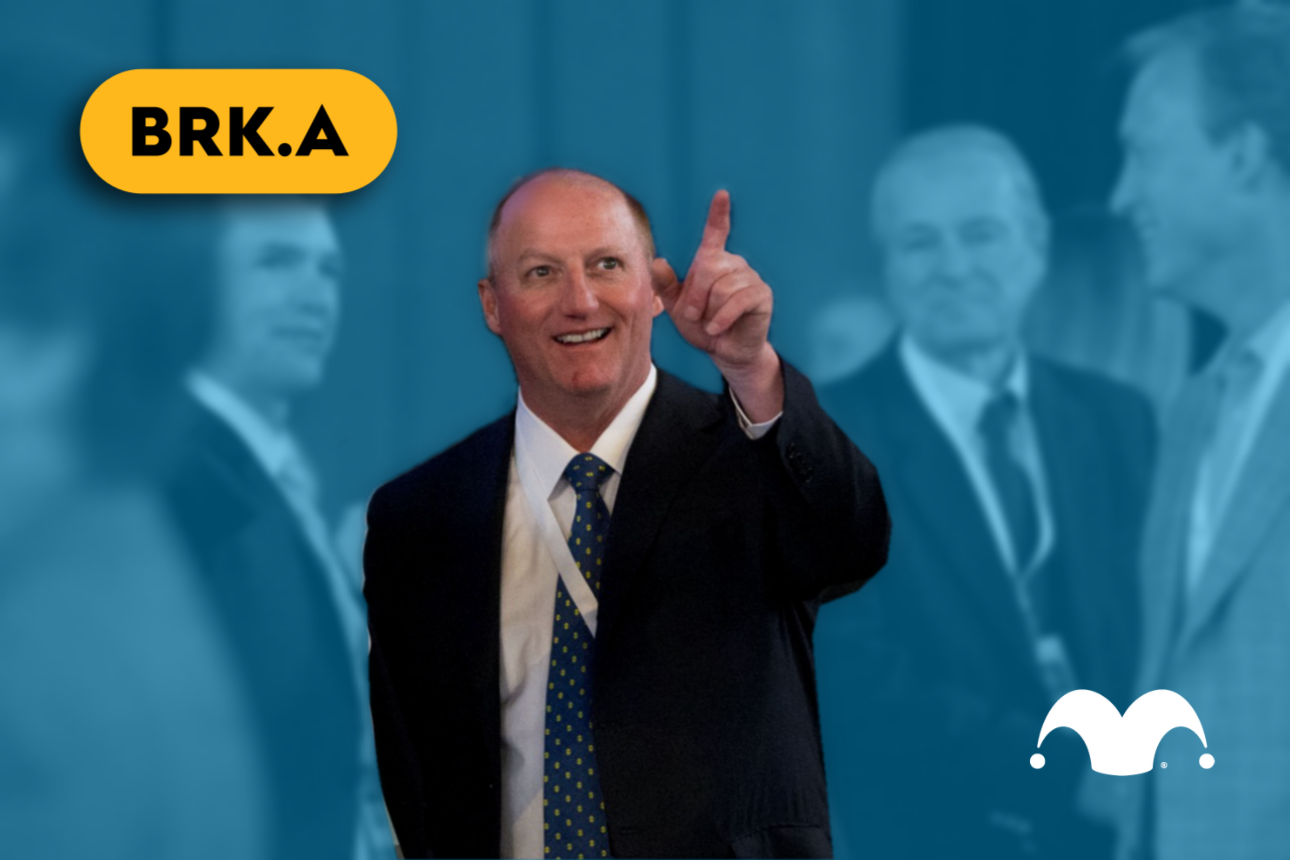
Berkshire Hathaway CEO Greg Abel. Image source: Getty Images.
Berkshire is putting its cash to work
For years, Buffett accumulated an enormous cash reserve at Berkshire Hathaway, preferring to wait for attractive investment opportunities rather than overpay for stocks.
That approach helped Berkshire build a reputation for finding companies with strong competitive advantages and buying their shares when they traded below their intrinsic value — what the underlying business is actually worth.
Abel appears to be following that philosophy, although he’s becoming more aggressive about putting Berkshire’s money to work.
During the second quarter, Berkshire increased its Alphabet holdings substantially, adding millions of shares of the Google parent company. It also bought an additional 17.5 million shares of Delta, increasing its stake by 44%. Berkshire opened a position in Delta during the first quarter — Abel’s first as CEO — and now has more than 57 million shares of Delta stock.
BRKB Berkshire Hathaway
$532.02+$6.34 (+1.21%)
NYSE · As of 4:00 PM ET 10/16/26
Berkshire ended June with approximately $359.2 billion in cash and short-term investments. Even after its recent purchases, Abel has plenty of money available for additional investments.
Why Berkshire’s buybacks matter
Berkshire Hathaway spent approximately $235 million buying back shares during the first quarter, then increased that amount to $4.5 billion in the second quarter.
Berkshire has a specific rule governing repurchases. According to its second-quarter regulatory filing, the company can buy back shares only when its CEO determines that the price is below Berkshire’s conservatively estimated intrinsic value. So, Abel isn’t buying Berkshire shares simply because the company has money available. He’s buying because he believes the stock offers value.
Berkshire purchased Class B shares at an average price of $476.01 in May and $487.98 in June. Those figures give investors something useful — actual prices at which Berkshire’s leadership was willing to invest billions of dollars in its own business.
Should you buy Berkshire Hathaway stock, too?
One of Berkshire Hathaway’s strengths is that it’s a conglomerate — the company owns dozens of businesses, including insurance companies, consumer goods such as Duracell, and iconic brands like Dairy Queen. It also has a huge investment portfolio, with large stakes in blue chip companies like Apple and Bank of America. That means it has exposure to several different parts of the economy.
For investors considering Berkshire Hathaway, the company’s recent repurchases provide a useful starting point for evaluating the stock.
After all, when Berkshire’s own management is willing to spend billions buying its shares, that’s worth a closer look.
Bank of America is an advertising partner of Motley Fool Money. Patrick Sanders has no position in any of the stocks mentioned. The Motley Fool has positions in and recommends Alphabet, Apple, and Berkshire Hathaway. The Motley Fool recommends Delta Air Lines. The Motley Fool has a disclosure policy.