Debanking makes a campaign stop in Kentucky
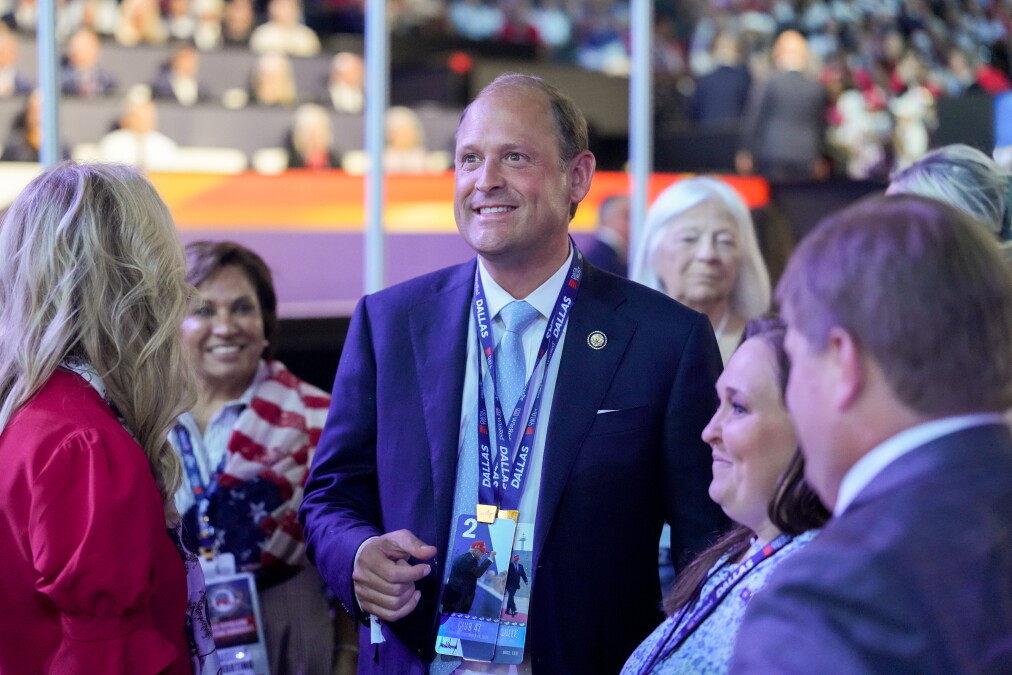
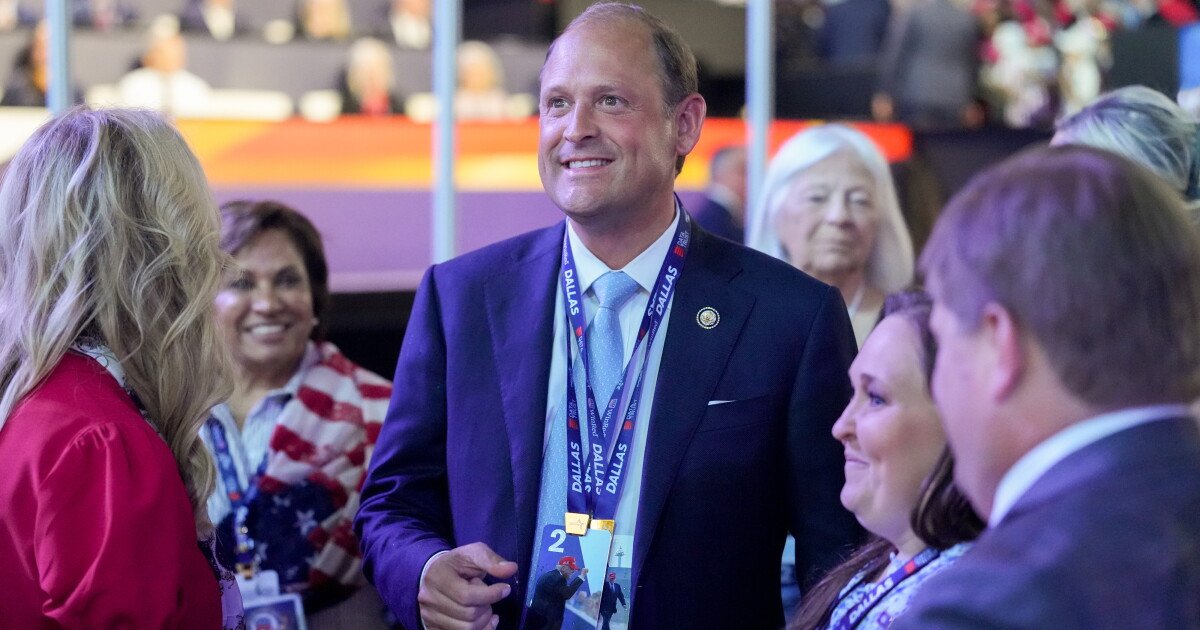
- Key insight: Rep. Andy Barr, R-Ky., who is running to replace outgoing Sen. Mitch McConnell, R-Ky., participated in events around the release of an Office of the Comptroller of the Currency report on debanking Wednesday, only weeks before election day.
- What’s at stake: Comptroller of the Currency Jonathan Gould said there is “more work to do” on the debanking issue.
WASHINGTON — Comptroller of the Currency Jonathan Gould and Kentucky Senate hopeful Rep. Andy Barr touted the bank regulator’s efforts against so-called debanking on the campaign trail Wednesday.
Processing Content
The Office of the Comptroller of the Currency
“The bottom line is that if you’re running a law-abiding business in Kentucky or anywhere else, you deserve a fair shot at the financial system. Period. Full stop,” said Barr on a radio talk show on Wednesday. “You should have access to a checking account, a bank account, and just because you’re in the business of coal mining or firearms retailer, or maybe you’re a small business like a pawnbroker or a small dollar lender, non-bank small dollar lender … that doesn’t mean that they should be cut off from the banking sector just because someone on Wall Street or someone in Washington D.C. doesn’t like what they do.”
Barr, who sponsored the House version of the FIRM Act, which would remove reputational risk from bank regulators’ exams, has been a
But wonky bank policy issues don’t typically make their way to the campaign trail. A day of press events in a state like Kentucky with Gould, as Barr is running for the state’s open Senate state with increasingly tight margins, is a notable departure from the norm.
“The popularity of populist messaging in U.S. politics may also help explain the issue’s political relevance, given that banks are often viewed as powerful corporate institutions,” Anthony said. “The key policy question is whether lawmakers will address the legal and regulatory incentives that encourage debanking rather than focusing solely on criticizing banks for the practice.”
The debanking events in Kentucky come as
For his part, Gould has been unusual among bank regulators for his willingness to
The report itself directly mentioned banks by name, and connected instances of customers or businesses that the OCC claimed lost access to banking services because of their beliefs or industries.
“Americans were denied banking services because of their political or religious affiliations and entire industries faced scrutiny due to the fact that their lawful business activities were considered ‘controversial’ by some banks or their employees,” Gould said in prepared remarks in Lexington, Kentucky. “What began as decisions made by executives to debank disfavored industries became institutionalized and opaque bureaucracies that empowered bank employees to cut off industries and persons from financial services or created procedural frictions that achieved the same result as a practical matter.”
Read more:
The OCC may consider rules related to the instances, Gould suggested.
“We are not forcing these banks to serve every customer,” he said. “Instead, banks should evaluate every customer on objective, risk-based criteria.”
The Bank Policy Institute, which represents large and medium-size institutions, said in a statement that the group would back “clear and consistent standards that promote access while maintaining sound risk management.”