Government retains £2m mansion tax threshold
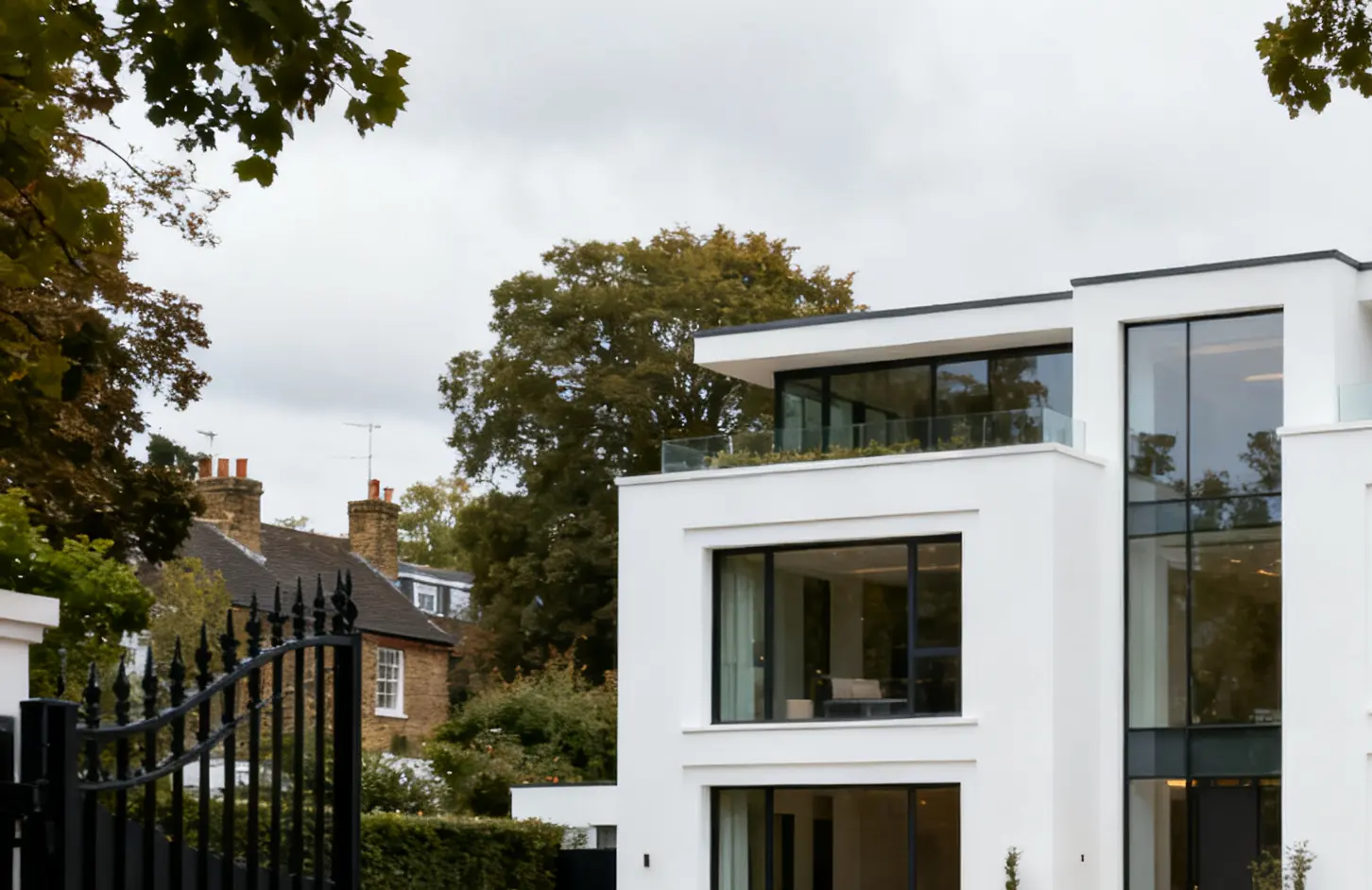
The Government has reportedly abandoned plans to reduce the threshold for the High Value Council Tax Surcharge from £2 million to £1.5 million, a move that would have affected nearly one in 10 homes currently for sale in London.
Analysis by estate agency Yopa of current for-sale stock across England reveals that 11,848 of the 792,456 homes listed have an asking price of £2 million or more, accounting for 1.5% of all available stock. Had the threshold been lowered to £1.5 million, this figure would have climbed to 22,092 homes, equivalent to 2.8% of all properties currently on the market.
London concentration
The impact of a lower threshold would have been concentrated heavily in the capital. Of the 11,848 homes currently listed across England at £2 million or more, 6,963 are located in London, representing 59% of the national total and 5.8% of all homes currently available for sale in the capital.
Under a £1.5 million threshold, the number of London properties potentially affected would have risen to 11,316, equating to 9.4% of all homes currently listed for sale in the city. The decision not to proceed with the lower threshold avoids bringing a further 4,353 London homes into the potential tax bracket based on current asking prices.
The High Value Council Tax Surcharge, scheduled for introduction in April 2028, will apply to properties valued above the threshold. The retention of the £2 million level comes amid ongoing discussions about property market regulation and taxation policy.
Regional variation
The South East would have seen the next highest level of exposure, with 5,025 homes listed at £1.5 million or more, accounting for 3.4% of available stock. This is followed by the South West, where 1.7% of homes currently listed exceed the previously proposed threshold, and the East of England at 1.4%.
Verona Frankish, Chief Executive of Yopa, said: “The concern has always been that £1.5 million doesn’t necessarily buy you a mansion in London. In many parts of the capital, this is the price of a perfectly ordinary family home, and lowering the threshold would have risked unfairly penalising homeowners who are property wealthy on paper, but aren’t necessarily enjoying the lifestyle or disposable income that the term ‘mansion tax’ implies.”
The decision to maintain the existing threshold follows recent market data showing varied price movements across different regions of the UK housing market.
The retention of the £2 million threshold means approximately 10,244 fewer properties will fall within the scope of the surcharge compared to the proposed lower limit, representing an 86% reduction in the number of additional homes that would have been affected based on current asking prices.