Adopting an ‘offensively defensive’ approach to financial crime
- Key insight: Geopolitical turmoil combined with rapid deployment of new technology has made it more important than ever for banks to prioritize their anti-financial crime functions.
- What’s at stake: Waiting for transaction monitoring alerts to trigger a reactive reexamination can create consequences not just for an individual company, but American foreign policy.
- Forward look: Adopting an offensively defensive posture to illicit finance means not just pursuing crime after the fact, but seeking to proactively identify, map and disrupt these risk vectors before the regulators come knocking.
In recent years, the pace of geopolitical change has become frenetic. As a direct result,
Processing Content
Particularly in the last 12 months, we have seen the United States employ sanctions in an aggressive manner toward
This demands that institutions adopt an “offensively defensive” posture. The prior status quo of a “set it and forget it until next year” model of financial crimes risk management is no longer up to snuff.
While an offensively defensive posture may sound paradoxical in nature, the need to take a proactive approach to illicit finance in the modern day is clear. Waiting for transaction monitoring alerts to trigger a reactive reexamination can create consequences not just for an individual company, but American foreign policy.
Year after year, the Association of Certified Anti-Money Laundering Specialists, or ACAMS, has
But merely implementing these intelligence functions is woefully insufficient. It is the dissemination of this intelligence in an efficient and effective manner that truly makes the difference. Financial institutions need to turn intelligence into practice through the integration of a dynamic and flexible model of risk scoring. This should be implemented alongside event-triggered risk reevaluation that keeps pace with a global environment that has been shifting at a breakneck pace. Where the Russo-Ukrainian War once saw the overwhelming prioritization of risk, Iran and Cuba have now stolen the limelight.
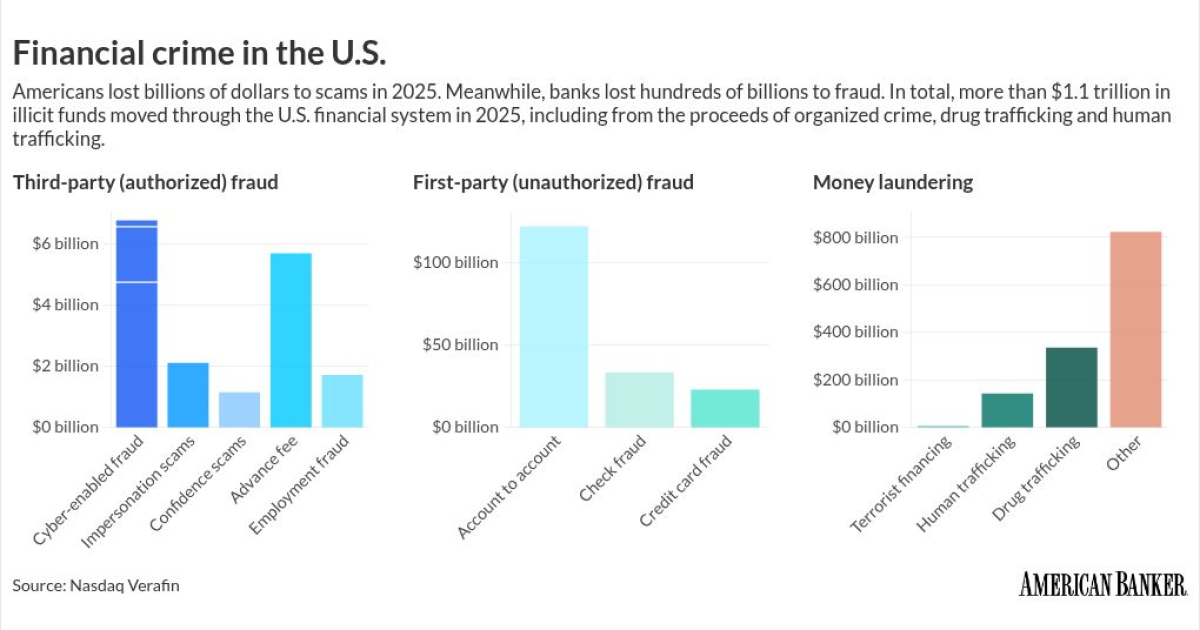
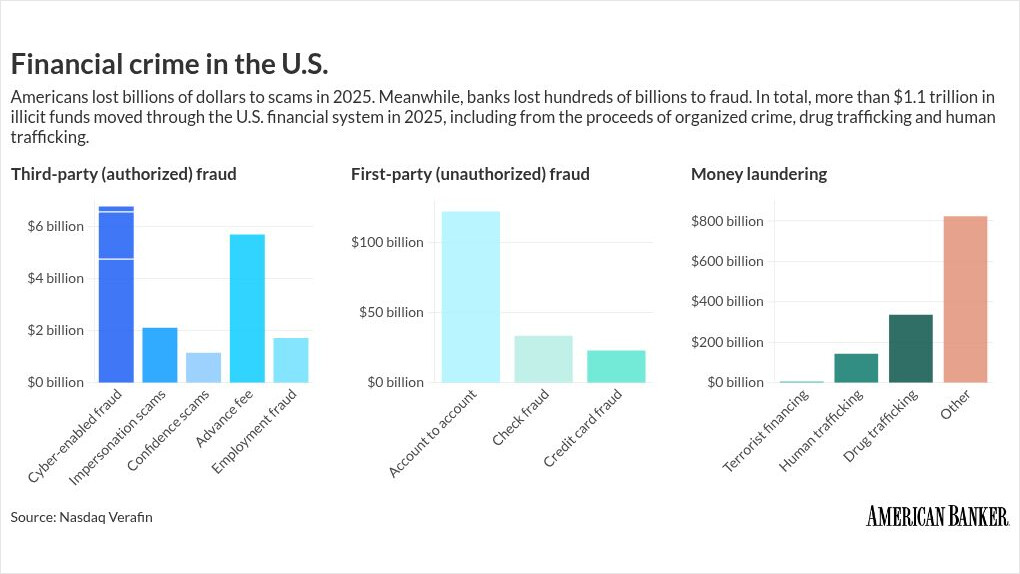
The examination and assessment of these risks in the modern day also requires looking not only at an illicit actor or risky transaction in isolation, but viewing the entirety of the network surrounding it. Money laundering, fraud and sanctions evasion are increasingly becoming intertwined. Southeast Asian fraud and scam networks not only defraud innocent people, but they also then need to launder the proceeds of that fraud and simultaneously evade sanctions in order to repatriate these funds. Repatriation of ill-gotten gains often moves through front and shell companies, exchange houses, intermediaries and complex legal structures spanning multiple different jurisdictions.
While in isolation a single transaction may not set off alarm bells, an adequately mapped network may paint a better picture of risk. This mapping of illicit financial networks needs to include modern methods of obfuscation. Particularly when looking at countries such as Iran and Russia, the utilization of the “shadow fleet” of oil tankers vital to their ability to earn illicit revenues. For Iran, ship-to-ship transfers off the coast of Malaysia are often used to hide Iranian-origin oil being sold to Chinese refiners. Falsified documentation can attempt to move dual-use goods under the radar.
Read more:
Beyond this, however, the modernization of transaction monitoring systems must also evolve to meet the modern threat environment. Companies should push to enhance their typology-based monitoring, and map transaction-level risks using the more network-viewed approach to illicit finance.
And while many companies are pouring investment into artificial intelligence, this should not be viewed as a replacement for human subject matter expertise. Man and machine should work in tandem to meet the threats that are also leveraging modern technology. A human should always be in the loop where AI is employed at scale.
However, the long-standing problem of anti-financial crime expertise fragmentation creates gaps that need to be closed. Bad actors seeking to exploit the siloing of fraud, anti-money laundering, and sanctions functions within a financial institution benefit from communication breakdowns that often exist. In order for financial institutions to shutter this vulnerability, there needs to be shared case management that can benefit from the skill set of each department. Beyond this, companies need to encourage analysts to enhance their education and development in the adjacent financial crime realms.
But an anti-financial crimes program cannot rely on operational changes alone. They must be accompanied by effective governance and clear documentation. If failures take place, regulators will need proof, not just your word. There is also an increasing expectation that senior and executive management is being educated and briefed on emerging risks.
The modern financial crime environment is one that overlaps between global finance, geopolitics, foreign policy and national security. Financial institutions cannot stop every illicit transaction, but they must ensure the adaptation of their anti-financial crime program to keep pace with the evolving threats.
The importance of adopting an offensively defensive posture to illicit finance means not just pursuing crime after the fact, but seeking to proactively identify, map and disrupt these risk vectors before the regulators come knocking.