Housebuilding remains worst performing construction sector – S&P
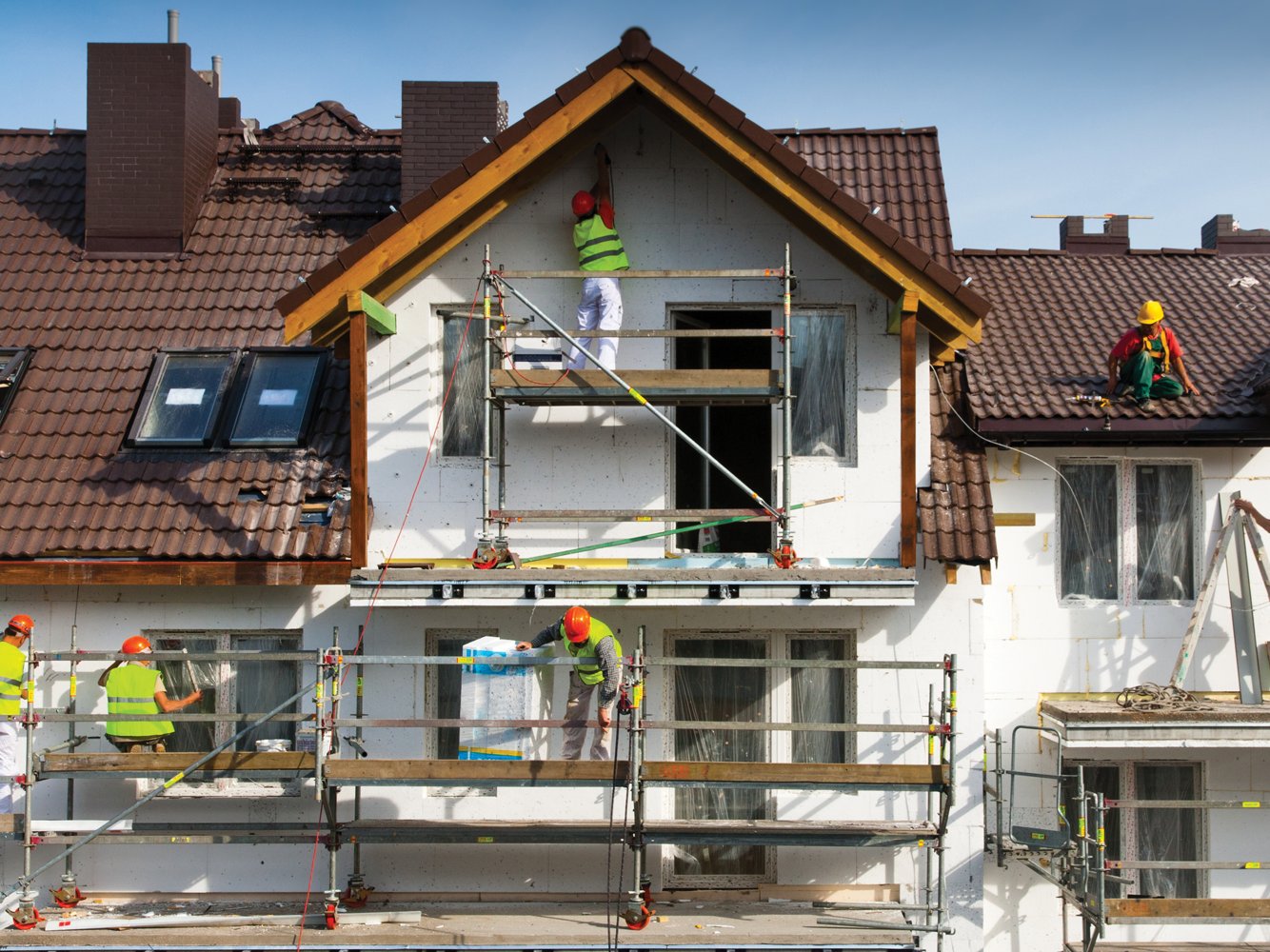
Housebuilding remained the worst performing area of the construction sector as rising borrowing costs and challenging market conditions continued to weigh down on output, an industry index revealed.
However, the downturn in UK construction output tracked by the S&P Global UK Construction Purchasing Managers’ Index (PMI) was the least marked since January, with slower rates of contraction seen in the residential, commercial and civil engineering segments.
Many survey respondents linked lower output to sluggish market conditions, attributed to geopolitical tensions and elevated borrowing costs.
Meanwhile, average cost burdens increased sharply in September, but the rate of inflation moderated to a seven-month low.
Around 25% of the survey panel signalled a rise in their purchasing costs, while 3% noted a decline. Fuel surcharges, higher freight costs and rising raw material prices were widely reported.
Tim Moore, economics director at S&P Global Market Intelligence, said: “All three sub-sectors have seen a degree of stabilisation relative to the rapid declines reported in the second quarter of 2026.

Episode 3: Self Employed: Powered by Partnership podcast from Newcastle for Intermediaries
Sponsored by Newcastle for Intermediaries
“In September, commercial building work saw its smallest fall in activity since May 2025. Housebuilding was again the weakest performer as rising borrowing costs and unfavourable market conditions weighed on output.
“Softer order books, elevated inflationary pressures and concerns about rising borrowing costs were all reasons for construction companies to moderate their year ahead growth expectations during September. This led to a sharp drop in business optimism to its lowest since May.”
Despite this, construction companies remain optimistic on balance about their growth prospects for the next 12 months. Around 31% of survey respondents expected a rise in business activity, whereas 21% predicted a decline.
Richard Pike, chief sales and marketing officer at Phoebus, said: “This is still worrying reading for a housebuilding sector that was already under mounting pressure. August saw the sharpest contraction of the current downturn, so another fall would suggest that the weakness in residential construction is becoming increasingly entrenched rather than simply reflecting a difficult month.
“What makes this particularly significant is that the government has now introduced a major attempt to stimulate demand through its Your First Home scheme. The promise of a 2.5% deposit and 20% equity loan could help some first-time buyers overcome the deposit barrier, but it will only translate into more homes being built if developers have the confidence to respond with new supply.”
Pike wants the Budget to provide greater certainty on how the government intends to turn its demand-side support into sustained housebuilding.
He added: “Otherwise, we risk making it easier to buy homes without doing enough to ensure there are enough of them.”