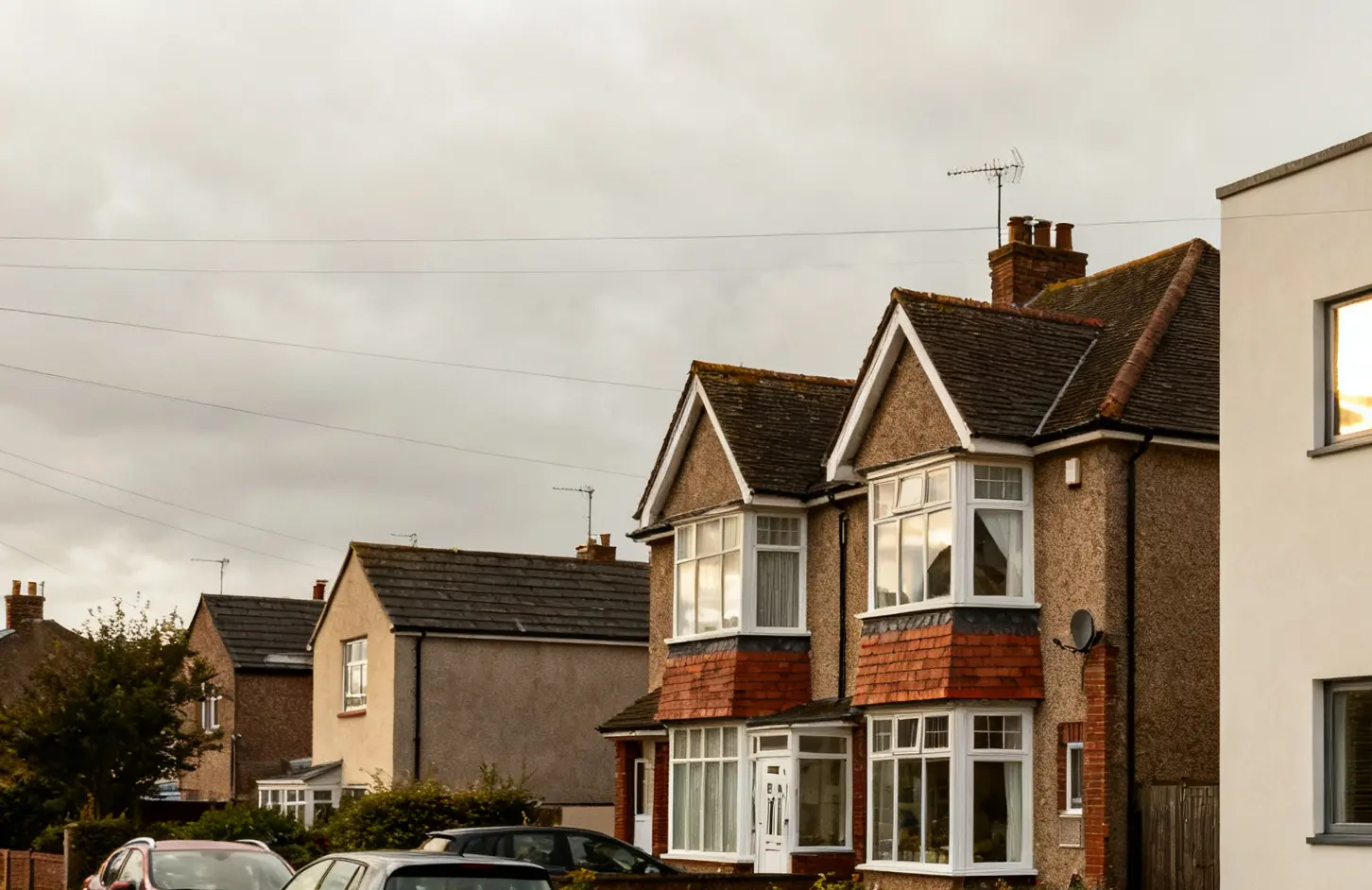
House price to earnings ratio falls to lowest since 2015
The house price to earnings ratio in Britain has fallen to 7.3, its lowest level in nearly a decade, according to research published by Lloyds.
The ratio has declined from 7.6 a year ago, as average property prices increased by 0.5% to £299,131 while average earnings rose by 4.5% to £40,790. For first-time buyers, the ratio improved from 6.1 to 5.9, meaning homes now cost less than six times earnings.
However, the improved affordability measure does not reflect the full cost of homeownership. Average monthly mortgage repayments have increased from £1,100 to £1,157 over the past year due to higher interest rates, partially offsetting the gains from wage growth.
Regional variations
The gap between Britain’s most and least affordable housing markets has narrowed, with the largest improvements occurring in regions where prices were previously highest relative to earnings.
The South East recorded the most significant improvement, with the ratio falling from 9.7 to 9.1. Greater London’s ratio decreased from 10.9 to 10.3, while Eastern England improved from 8.7 to 8.2 and the South West from 8.2 to 7.7. Despite these changes, London and the South East remain the two least affordable regions.
Regions with lower initial ratios saw minimal movement. The North East fell from 5.1 to 5, while Scotland remained broadly unchanged at 5.3. The North West decreased from 6.5 to 6.3, and Yorkshire and the Humber reduced from 6 to 5.8.
Northern Ireland was the only nation where affordability worsened, with house prices rising 7.4% against a 3.7% increase in earnings, pushing the ratio from 5.8 to 6.
Market implications
Andrew Asaam, Mortgages Director at Lloyds, said: “Wages have continued to rise while house prices have remained relatively stable, helping to narrow the gap between earnings and house prices. However, affordability remains stretched for many households. Mortgage rates are higher than they were a year ago and saving for a deposit continues to be one of the biggest barriers facing first-time buyers.”
Ian Harris, President of NAEA Propertymark, noted that theoretical affordability does not always translate into practical purchasing power. “Buyers are still facing higher borrowing costs and the challenge of raising a deposit, with many having to compromise on property type, location or budget,” he said.
The findings come as UK property transactions have shown signs of weakness, while rental demand in London continues to rise as some potential buyers remain priced out of ownership.
Harris added that location remains a critical factor, with buyers needing to balance headline affordability against practical considerations such as commuting costs and access to services. “For first-time buyers in particular, the challenge is not simply finding a property that looks affordable relative to earnings, but securing a manageable mortgage, raising a deposit and finding a home that works for everyday life,” he said.