Govt holds firm on UPI MDR as Opposition mounts pressure for rollback | Finance News
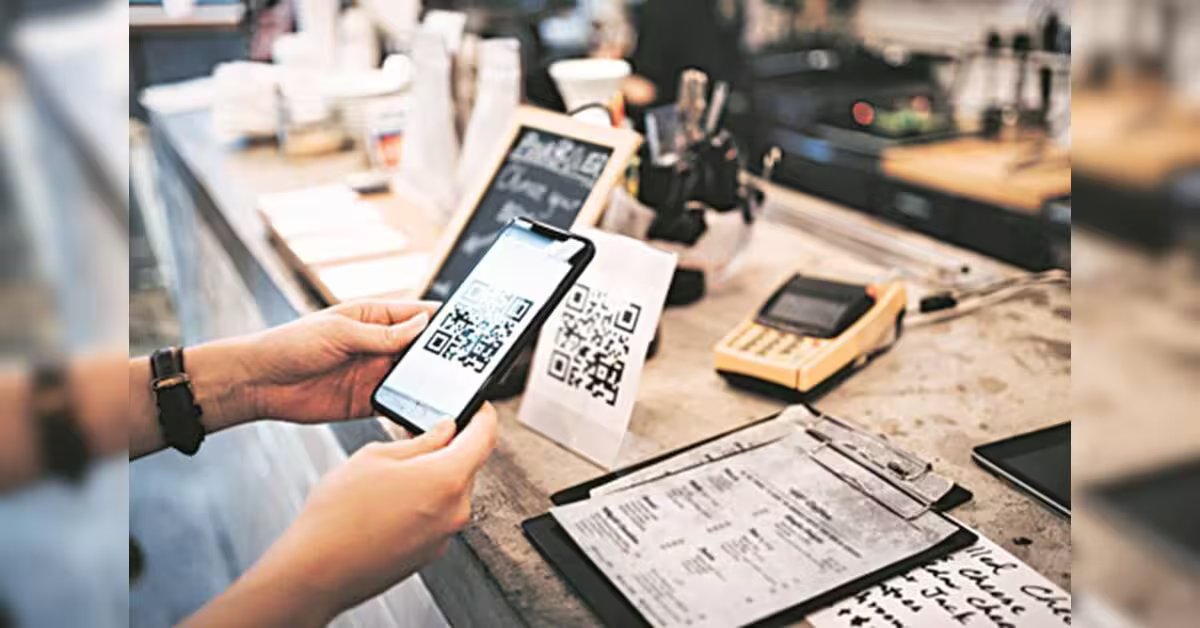
The finance ministry on Wednesday asserted that policy decisions are made independently, with the goal of building a self-sustaining, inclusive, and affordable digital payments ecosystem, even as there was a clamour for a rollback of the decision to impose a merchant discount rate (MDR) of 0.4 per cent on transactions worth over ₹2,000 made via UPI.
Ashwani Mahajan, national co-convenor of the Swadeshi Jagran Manch (SJM), the Rashtriya Swayamsevak Sangh (RSS)-affiliated think tank, said the government should reconsider the move, calling it “most unfortunate”.
In a video posted on X, Rahul Gandhi, Leader of the Opposition in the Lok Sabha, demanded that the levy be rolled back. Gandhi alleged that the government has put a tax on every single Indian by taxing UPI and giving a huge amount of money to the US.
Seeking to debunk “the myth of external pressure,” the Union Ministry of Finance said since its launch in 2016, the UPI has grown into the world’s largest real-time interoperable payment system “entirely on India’s own terms.”
The finance ministry said that UPI processed 24.5 billion transactions in August 2026 alone. “To keep this system self-sustainable, secure and innovative, a small fee on high-value merchant transactions helps fund better infrastructure and cybersecurity, support for small merchants in tier III–VI towns and rural areas and awareness and incentives to expand UPI adoption,” it said.
Government sources said there was no question of rethinking the MDR issue. When asked whether the government was considering withdrawing Tuesday’s notification on MDR, which kicks in from October 15, a top government official said a decision had been taken and there was no question of reversing it.
However, sections within the government and the larger Sangh Parivar conceded the “poor optics” of the notification, which came just days after India successfully hosted the Brics Summit, where it showcased its affordable digital public infrastructure.
Sources in the Laghu Udyog Bharti, an RSS affiliate that voices the interests of small and medium enterprises and traders, said their stakeholders had concerns about the MDR.
SJM’s Mahajan said banks had not demanded the MDR. “In fact, UPI has reduced transaction costs of banks. So many ATMs have closed down because they are no longer required, and banks should be happy with the zero-MDR system,” Mahajan argued. He said UPI is a public good, and contributes to the ease of doing business, and cybersecurity and other such expenses are part of the banks’ own operations.
Referring to concerns raised by the United States Trade Representative (USTR) over the zero-MDR regime for UPI, Mahajan said that was because American card companies had lost out to UPI, and India had started saving a significant amount of foreign exchange outgo from these card companies. The SJM national co-convenor said imposing MDR “is demeaning an achievement of Bharat, which has global appeal.”
Congress leader Rahul Gandhi had alleged that the government surrendered to US diktat, while the White House had restricted H-1B visas for Indians and the US House of Representatives passed a resolution authorising US President Donald Trump to impose 100 per cent tariffs on countries like India that purchase Russian crude.
The BJP hit back, accusing the Congress of spreading “fake news” and saying the government had made it absolutely clear that MDR charges would not be levied on consumers. Leaders of the Rashtriya Janata Dal, and the Left parties termed it an anti-people decision brought under US pressure.
At a meeting of the parliamentary standing committee on finance that took place on Wednesday morning, Opposition MPs said that there was a “sense of outrage” across the country.