Bank of Canada troubled by high gas prices, warns of hike risk

By Erik Hertzberg
(Bloomberg) — The Bank of Canada’s governing council warned that it may need to hike interest rates, saying the longer gasoline prices remain elevated, the more likely that would pass through to other goods and services.
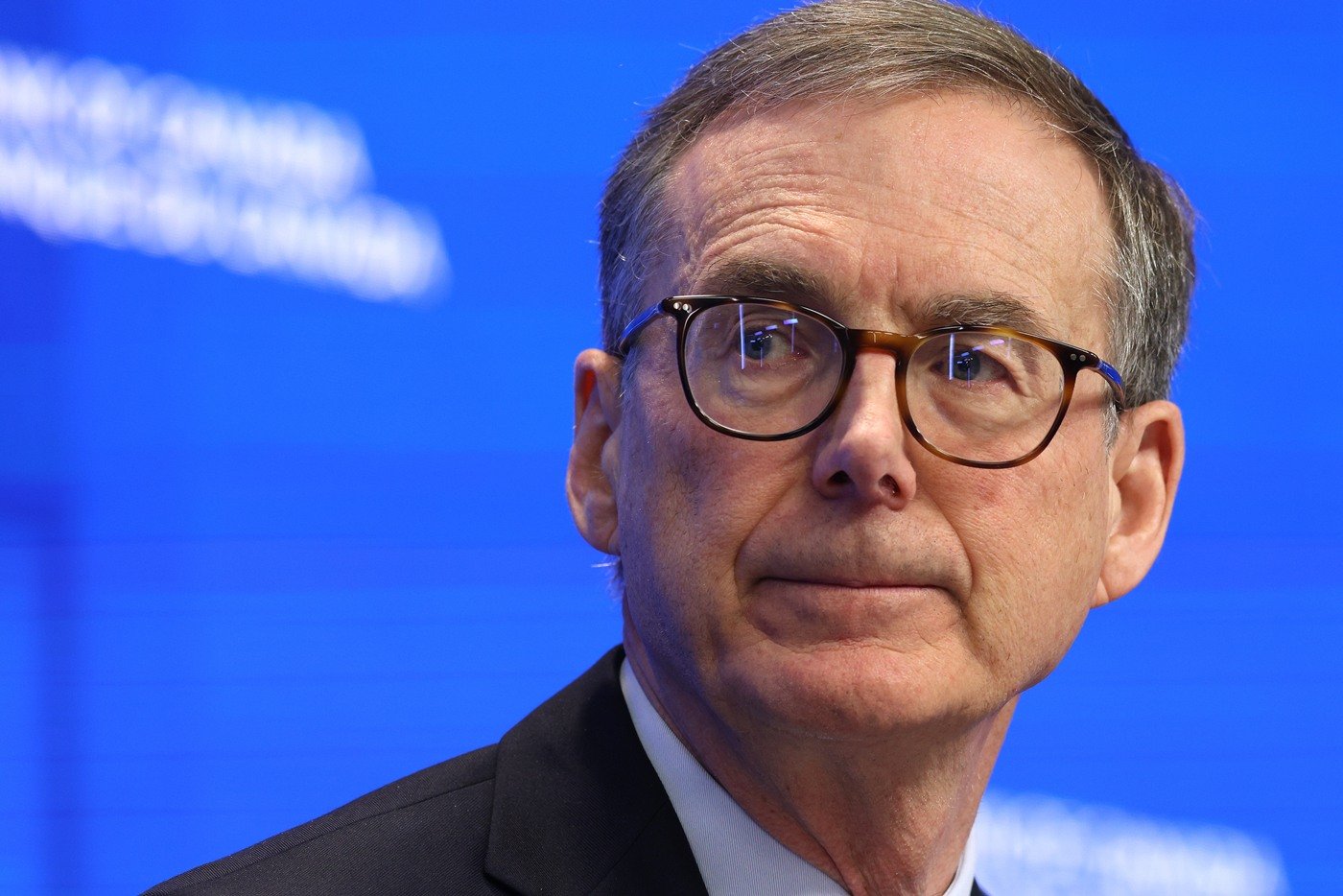
Policymakers held the policy rate at 2.25% for a seventh consecutive time when they met earlier this month, but Governor Tiff Macklem struck a hawkish tone, saying inflation was too high, and that upside risks had increased.
In a summary of deliberations for that decision, bank officials expanded on their worries, saying that while they’re not yet seeing higher gas prices spreading, it’s increasingly likely to happen if fuel costs remain elevated.
“If higher energy prices did spill over into other components of the CPI, members agreed that it could require a monetary policy response to prevent broad-based inflation from setting in,” the bank said Wednesday.
Officials said that while they’d so far looked through the direct impact of gas prices, there was “uncertainty about the likelihood and magnitude” of spillover into broader prices given current economic conditions.
“While there was little evidence thus far that high gasoline prices were passing through to other goods and services, members agreed that the longer they were high, the more likely they would be passed through. This increased the upside risks to inflation,” the bank said.
Policymakers also had split opinions on how much slack there was in the economy.
“While there was a diversity of views on the magnitude of slack given recent data, governing council judged that the economy was still in excess supply.”
Officials said the inflamed trade dispute between Canada and the U.S., as well as the war in Iran, remained the two most important risks to the outlook, but said they had become “more acute” since the July meeting.
Policymakers flagged the yearly change in the consumer price index hovering around 3% for months, and said it was likely to remain elevated in the near term, given elevated gasoline prices.
They saw no sign of resolution of the conflict in the Middle East, and said the lack of progress in opening the Strait of Hormuz was keeping oil prices and expectations of higher costs elevated. Core inflation was near the bank’s 2% target.
Gross domestic product growth is broadening, members said, with consumer spending, exports and business investment strong. Though job gains were “solid,” members said the labour market was still soft.
Officials said the escalation of trade tensions “made growth prospects more uncertain,” adding that new US tariffs on about 5% of Canada goods exports to the US would have significant impact on affected businesses and workers and hit consumer and investment confidence.
Still, policymakers said fiscal measures from governments could be expected to offset some of the impact and that “the direct impact on the Canadian economy as a whole, however, would likely be modest.”
Members said the new counter-tariffs levied by the Canadian government on U.S. goods would have a “muted” impact on inflation, because the levies were mostly added to intermediate inputs like steel, and to goods with Canadian substitutes.
©2026 Bloomberg L.P.
Visited 49 times, 297 visit(s) today
Bank of Canada bloomberg BoC BoC minutes Dashboard inflation summary of deliberations tiff macklem
Last modified: September 16, 2026