EPFO portal now offers two ways to transfer your PF balance after changing jobs — here’s the entire process
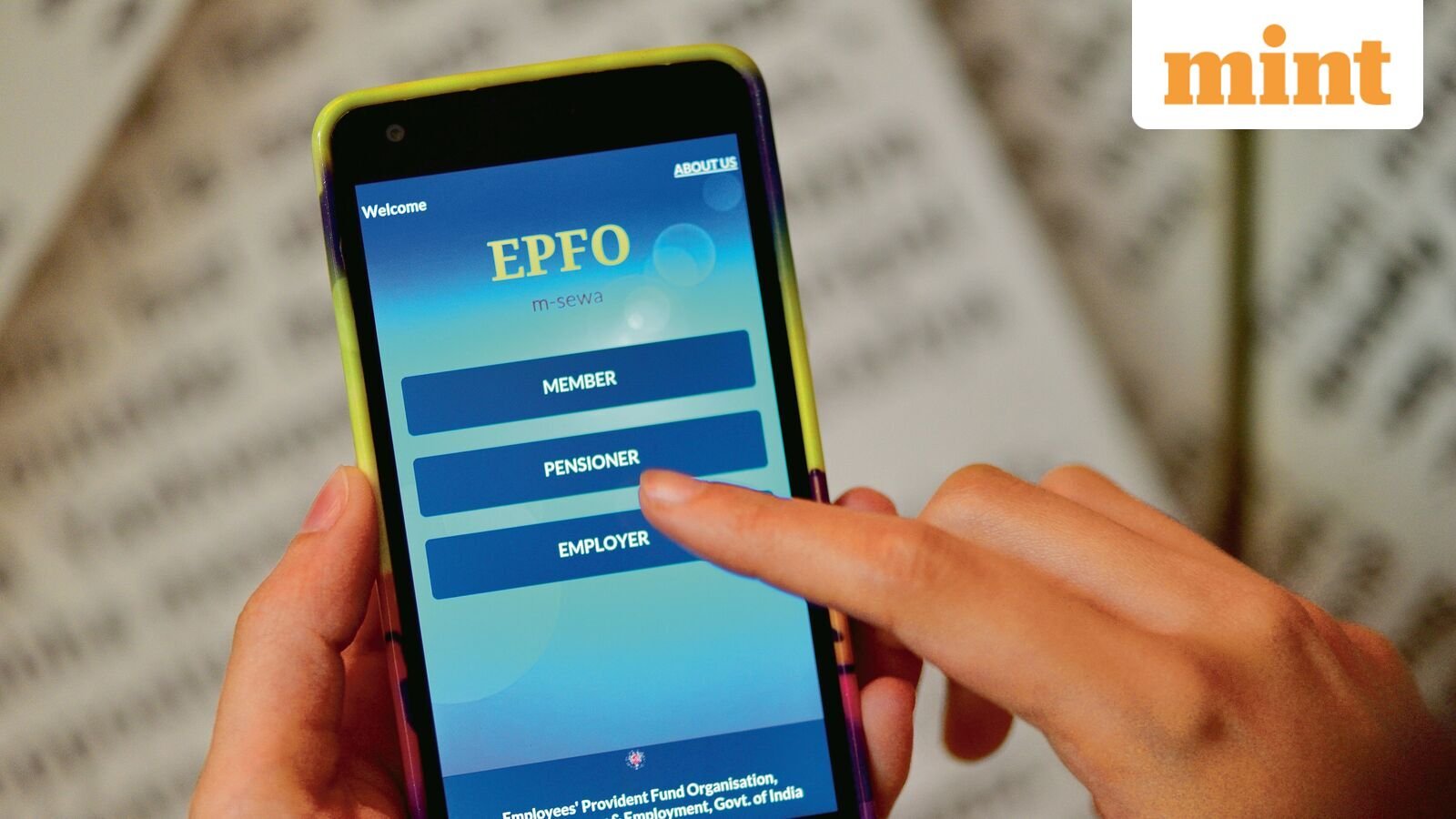
The revamped Employees’ Provident Fund Organisation (EPFO) member portal now offers salaried employees two ways to transfer their EPF account balance from a previous employer to their current account after a job switch.
The latest feature aims to simplify the provident fund balance transfer process, reduce paperwork and help employees consolidate their retirement savings without any procedural delays.
The move comes after the EPFO member portal underwent a major database consolidation and software upgrade, causing nearly two weeks of downtime. The restoration of the retirement fund body’s online services for members and employers was delayed multiple times.
While services are now operational, PF claims and other service requests may experience some delays during this period, EPFO said on its website.
What are the ways to transfer your PF balance?
Salaried employees can initiate a transfer request of their EPF balance through either of the two ways. However, they must log in to the EPFO member portal using their Universal Account Number (UAN) first.
- Through ‘Request for Transfer of Account’ section: This option is available under the ‘Online Services’ tab of the EPFO member portal and allows you to start the transfer process seamlessly.
- Through the ‘Member Service History’ section: Under EPFO 3.0, members can view their past and current employment details through the “Member Service History” tab on the portal. The section also displays pending EPF transfer claims and if there are none, the status shows as “no”, while giving you the option to make the “Service Transfer Claim” through Form 13 by clicking on the “Claim” link.
In case you are unaware of your UAN, you can find the number on your latest salary slip or simply ask your employer for it.
How to apply for the transfer
Regardless of the option you choose, you will be redirected to the ‘Online Service/Transfer Request’ page, where you can apply for transfer of the past account to the current one in the following steps:
Step 1: Enter your previous employer’s Member ID and other required details, then click ‘Get Details’.
Step 2: You will receive an OTP on your Aadhaar-linked mobile number to verify and submit the request.
Step 3: The EPFO member portal provides the details of the present establishment into which the transfer will be affected. Check that.
Step 3: Once submitted, EPFO will process the transfer and move the balance to your current EPF account.
What are the benefits of EPF?
EPF is a government-backed savings scheme that aims to provide financial security to salaried employees post retirement. Controlled by EPFO, under this scheme, both the employee and employer each contribute 12% of the employee’s basic salary and dearness allowances towards EPF.
According to the EPF-2026 framework, this contribution is capped at ₹1,800 for both the parties, though they can choose to contribute more funds into the scheme on a voluntary basis.
The EPF interest rate for FY 2025-26 is 8.25% per annum. This rate is reviewed by the government each quarter and calculated monthly on the closing balance of the EPF account but is credited annually at the end of the financial year.
EPF account transfer is important for salaried employees as helps to increase their total service history, which works in your favour during withdrawal. The EPFO says that this is beneficial for the following four reasons:
- Consolidation of PF balances, resulting in higher payouts for advances or full settlement.
- Avoid TDS (tax deducted at source) on final settlement
- Higher pension eligibility (10+ years of service)
- Better insurance coverage (up to ₹7 lakh)
EPFO members and employers must also note that the EPF transfer process may be delayed as of now as the EPFO portal upgrade is expected to take up to two weeks to normalise, the retirement fund body said on its website.