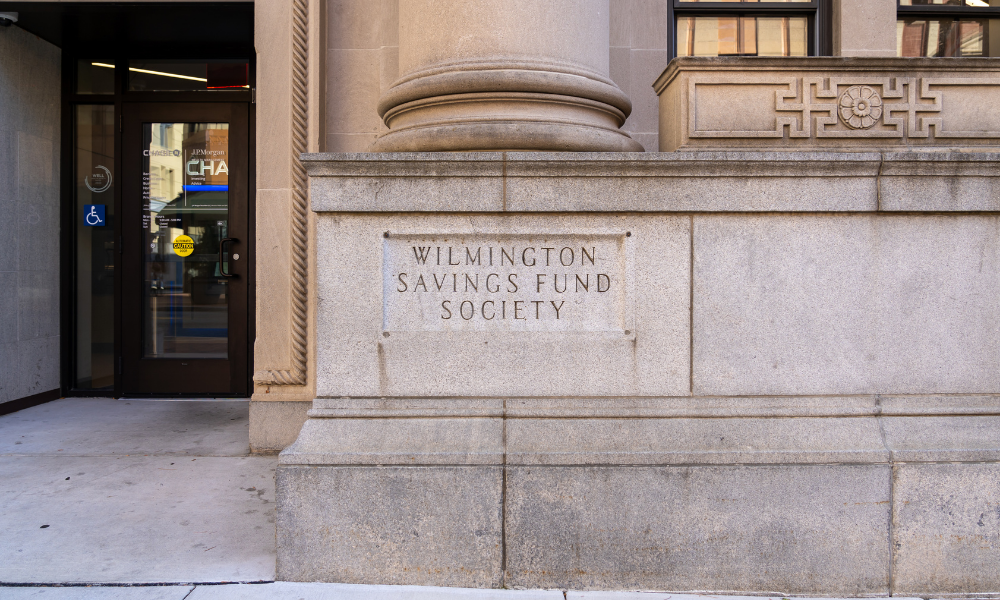
DC court upholds foreclosure, rejects borrower’s consumer-protection claim
In 2015, through an assignment, Wilmington Savings Fund Society, FSB – doing business as Christiana Trust and trustee for Pretium Mortgage Acquisition Trust – acquired the loan. Rushmore Loan Management Services LLC serviced it.
A first foreclosure, filed in 2014, collapsed over a defective notice of default and was dismissed without prejudice. Wilmington tried again in 2018 with a new notice: 30 days to cure, a warning of possible acceleration, and a right to reinstate. The borrower disputed the amount but never disputed that she had defaulted.
In April 2019, Wilmington filed for judicial foreclosure under D.C. Code § 42-816. The borrower answered with counterclaims under the District’s Consumer Protection Procedures Act (CPPA) and for common-law fraud. A co-owner who had bought a 15% interest in 2022 added a fraudulent-misrepresentation claim after Wilmington amended its complaint to name her. The trial court dismissed all three and granted summary judgment for Wilmington.
The CPPA governs consumer-merchant relationships, the court explained, and the borrower had not alleged that Wilmington, as assignee and note holder, supplied her any consumer service. The default notice, sent by a law firm, named Wilmington only as the note holder and directed the borrower to the law firm or Rushmore with questions. Whether the CPPA could ever reach a mortgage assignee, the court said, is fact-specific – a question it left open.
The fraud claims failed on their elements. The borrower never claimed she relied on the disputed payoff figure; she disputed it. The co-owner pointed to Wilmington’s remark that a settlement “could be worked out” – not a false representation, the court held, because parties have no duty to settle.