When does building a product or facility count as experimentation, and which associated costs qualify for the R&D tax credit?
Processing Content
A New York Times
The inquiry has highlighted two separate issues: whether the development activities constitute qualified research and whether the claimed expenditures are qualified research expenditures for purposes of the R&D credit.
What is a pilot model?
Treasury Regulation
To be classified as a pilot model, genuine uncertainty must exist in the design such that the model is needed to eliminate it.
For example, consider a company that is developing and building a new type of jet. The company has developed a design using available design tools, but genuine uncertainty remains about how the jet will perform. To eliminate the uncertainty, the company builds a prototype jet to test and evaluate. Using the data gathered from these tests, the company’s engineers continue to iterate the design until the jet performs as desired. Under this example, the prototype fits the definition of a pilot model.
If the company had been able to eliminate performance uncertainty using its design tools and then built a jet for routine final verification testing, it may be harder to argue that the physical jet qualified as a pilot model.
Multiple iterations and redesigns can provide useful evidence of uncertainty, but they are not required. Likewise, a successful first physical test does not establish that uncertainty was absent. Contemporaneously documenting uncertainties and test results is key to substantiating genuine uncertainty.
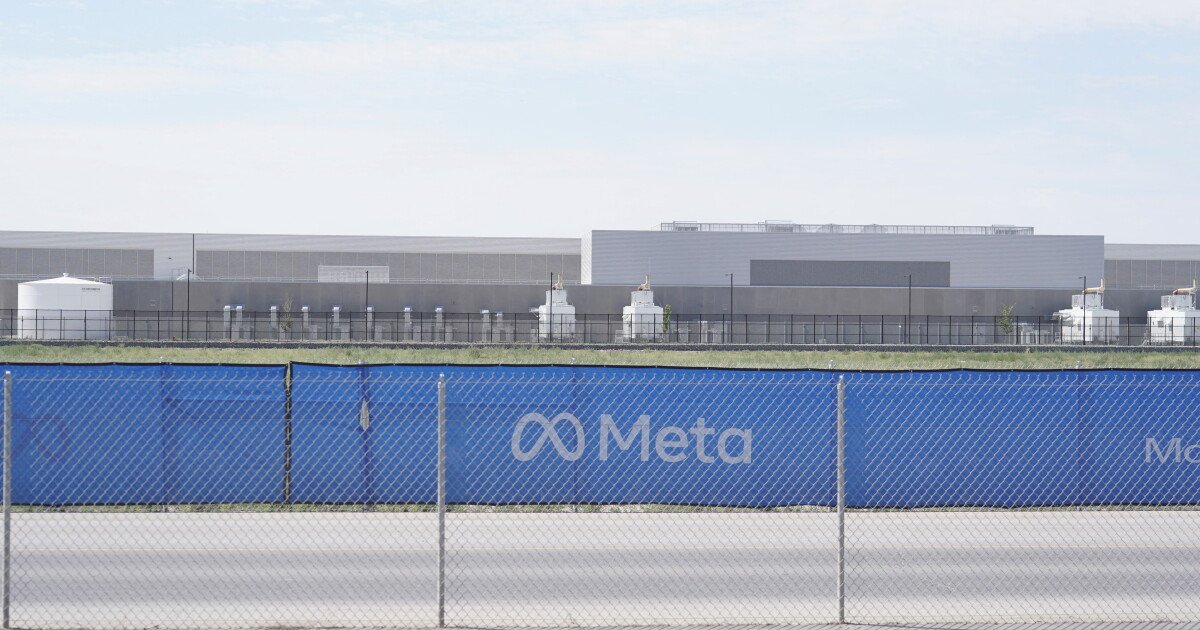
In Meta’s R&D tax credit claim, it asserts that uncertainty existed in the data centers and that it could only be resolved by building a physical data center and testing it. To substantiate the claim, Meta would need to show the technical uncertainty that existed before the data center was built and how building the data center resolved that uncertainty.
When can a pilot model be included in an R&D credit claim?
The pilot model definition and regulations come from the research expense regulations under
Even when activities to construct and test a pilot model qualify, the associated expenses may not be eligible as qualified research expenses. Only wages, supplies, computer leasing and contractor costs associated with qualifying research activities can be claimed as QREs.
Within supplies,
For Meta’s data centers, that makes the treatment of purchased servers, chips and other equipment, as well as other parts of the data centers, a central issue. Using equipment to conduct qualified research does not, by itself, make its purchase price a qualified supply expense. Additionally, while research can result in the construction of depreciable property, that does not eliminate Section 41’s separate restrictions concerning the types of expenses that can be included toward the R&D credit calculation.
How taxpayers should approach pilot model claims
Taxpayers claiming pilot-model costs in their R&D tax credit claims should build a record that connects the technical work to the claimed expenditures. Supporting documentation can include initial design questions, alternative designs, simulation results, test plans, test findings and engineering designs that illustrate how the uncertainty was resolved. Cost records involving employee activities, materials and contractor charges should be traceable to the relevant development work and complement the technical evidence.
The R&D tax credit is one of the most fact-intensive, subjective areas of tax law, and the Meta data center claim only highlights this fact and brings it into public view. However, these questions extend well beyond AI infrastructure. Manufacturers, equipment developers and other businesses face similar challenges of demonstrating why a model was built, how its development involved experimentation and which costs the credit actually permits.