
The planning for retirement does not end with simply accumulating a sizeable corpus. This is because making sure that you receive a regular flow of income after your retirement is equally important, particularly when salaried employees no longer receive a monthly salary, and with advancing age, the possibility of generating higher income also fades.
To equip Employees’ Provident Fund Organisation (EPFO) members to address such situations, the EPFO is focusing on the Systematic Withdrawal Plan (SWP) as a meaningful way to meet this requirement.
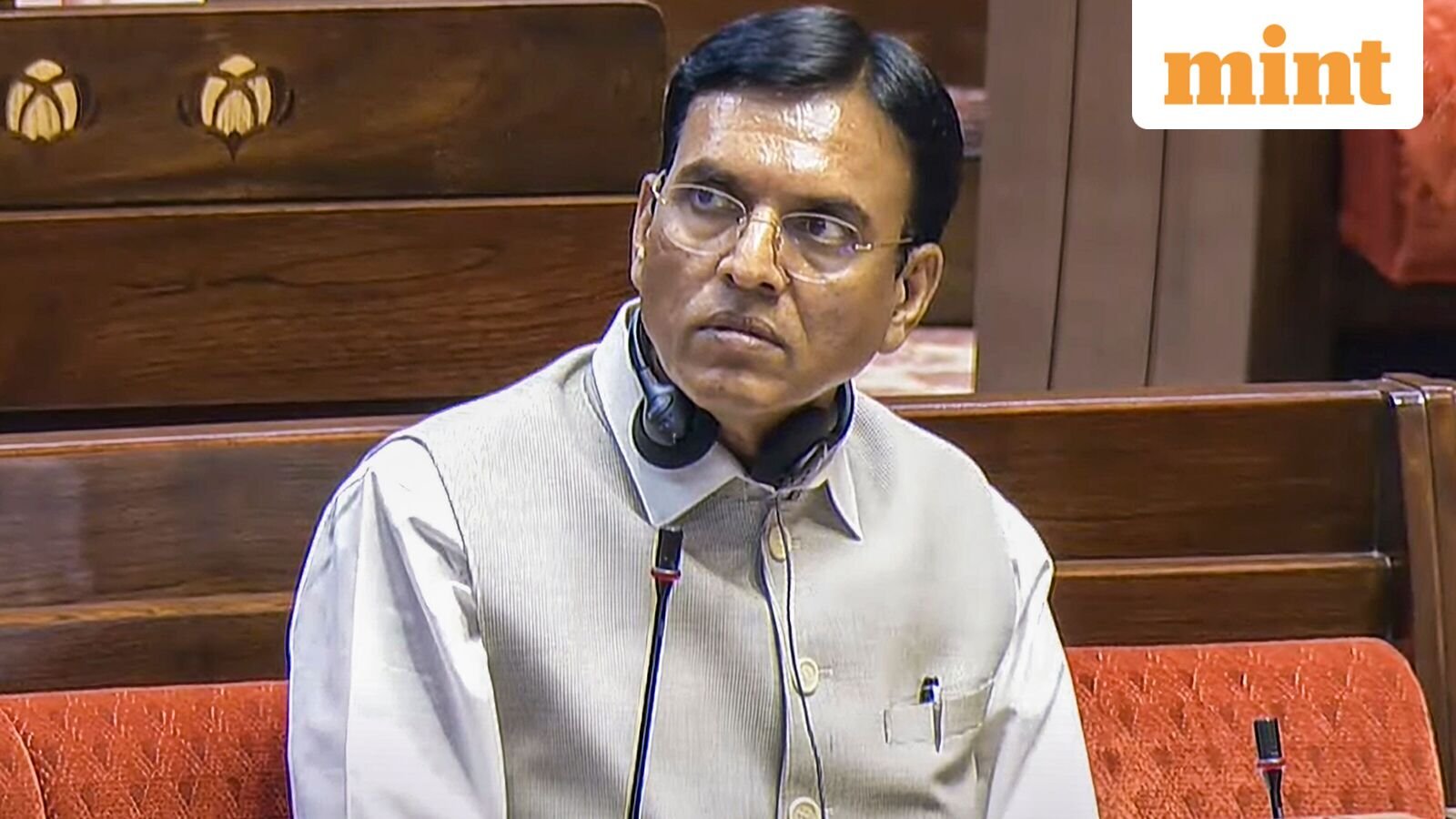
Union Labour and Employment Minister Mansukh Mandaviya highlighted the potential benefit of SWP and the value it adds for EPFO subscribers in a post on X on 21 November, describing it as an important and meaningful change for EPFO members under the leadership of the Prime Minister.
पीएम मोदी जी के नेतृत्व में EPFO की करोड़ों श्रमिकों को सौगात! जानिए कैसे SWP रिटायरमेंट के बाद भी आपकी नियमित आय सुनिश्चित करेगा।
English translation of tweet:
“Under the leadership of PM Modi, EPFO brings a gift for crores of workers!
Find out how SWP will ensure a regular income for you even after retirement.”
It is vital to keep in mind that the proposal was approved at the 240th meeting of the EPFO’s Central Board of Trustees (CBT), which was chaired by Mandaviya, on 19 November, 2026, as detailed in a press release by the Press Information Bureau (PIB).
As per the proposed arrangement, retiring employees will be able to receive their accumulated Employees’ Provident Fund (EPF) savings in monthly, quarterly or half-yearly instalments instead of withdrawing the entire amount at once.
How will EPFO’s SWP work?
The most important advantage of this set-up is that the funds remaining in an individual’s EPF account will continue to generate interest at the applicable EPF rate. This highlights that retirees can access a portion of their savings periodically while allowing the unwithdrawn corpus to continue growing.
This proposed facility is going to offer flexibility to members. They can opt for periodic withdrawals, thus providing them with a platform to potentially combine a lump-sum withdrawal with regular withdrawals and payouts or opt for an interest-only withdrawal option.
Furthermore, the facility is going to be completely voluntary. This means it will allow members to decide whether they want to retain their funds in the EPF system or withdraw them.
Not only that, if a member dies during the withdrawal period, the nominee or dependent will be able to withdraw the remaining balance amount or continue receiving periodic payments, subject to the applicable rules and regulations.
When will the facility become available?
As per the announcement by the government, around 6.32 lakh EPF members aged more than 55 years with provident fund (PF) savings exceeding ₹5 lakh are expected to be among the initial beneficiaries.
Still, the proposal is not yet an operational facility. Necessary amendments to the EPF scheme will be required to be approved and notified before members can begin using it. The withdrawal amounts, applicable timelines, rules and regulations and detailed operating rules are also awaited.
In conclusion, the proposed SWP can result in making retirement savings more prudent, useful and meaningful for eligible EPFO members, by combining regular access to funds with continued interest earnings. It could also reduce the burden on retirees to find other sources, i.e., alternative investments immediately after receiving their PF corpus, while providing them an additional income stream alongside their pension.