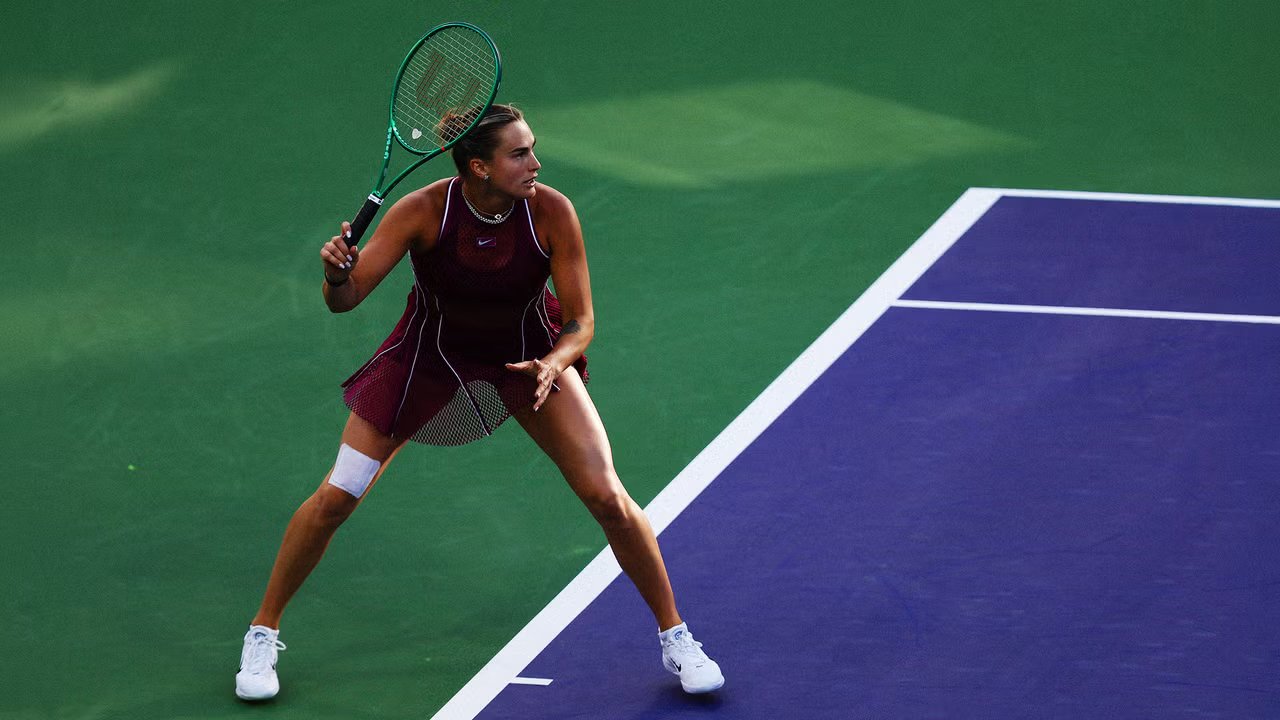
I coach four-time Grand Slam champion Aryna Sabalenka. Here’s why winners shouldn’t always focus on speed
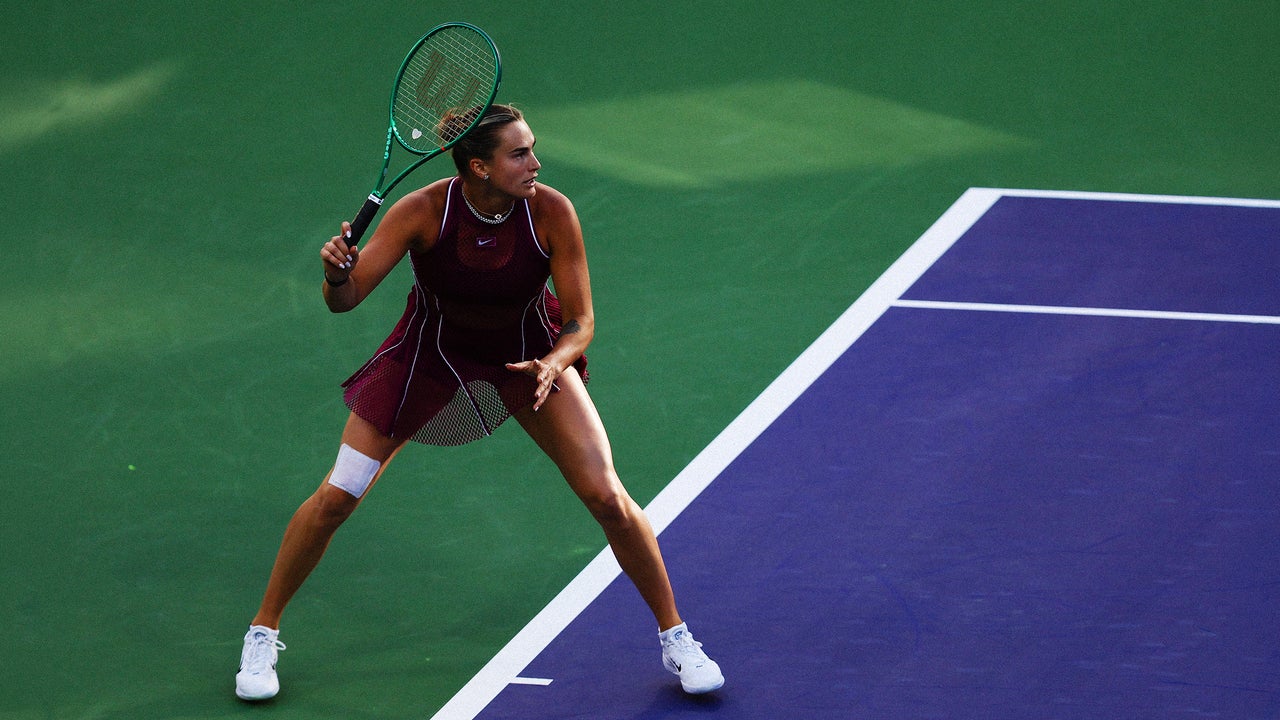
For years, I was always a step behind on the jujitsu mat. I’d rush, scramble, and attack from poor positions. I was reacting to my opponent’s game plan, not mine. In the end, I was defeated.
Then one day, time slowed down. I was present, maybe even a little ahead of the moment. My partner was relentless in his attack, but I wasn’t chasing him. My heart rate and breathing settled. When he moved, I was a step ahead.
The first thing you learn on the mat isn’t how to win. It’s how to defend.
That moment was a result of years of drilling defense. It provided me room to breathe, adapt, and attack based on MY game plan.
Jujitsu changed forever for me that day.
My coach, Jhunior Guarnido, teaches it as a process: Defend, Control, Attack.
It starts as a sequence you cycle through, but as you improve, it becomes one continuous forward motion. Defense and Control are built into the Attack. You want to act without hesitation, but never lead by pure emotion, reckless behavior, or your opponent’s timeline.
Defend, Control, Attack gives you the freedom to play to win. If the Attack isn’t going to plan, you flow through the sequence and begin again. This is how winners operate.
I’ve coached Aryna Sabalenka for eight years but also work with founders and executives. When they’ve felt pressure, most go straight into an attack. I love that. Wanting to dictate the pace and outcome is what winners do.
The problem is their awareness and timing. Before you see what’s really happening, you move from a bad position, often from fear or a forced reaction on a clock someone else set.
Why the early attack backfires
A good jujitsu opponent will always push you to rush. They’ll count on you to react to the pressure and make a mistake.
Markets do the same exact thing. One of your competitors announces a new AI on Monday and the press calls it a game changer. How does your board react? They’re asking you where yours is. By the next day, you’ve pulled together a team, stalling momentum elsewhere, and promised a made-up launch based on your competitors’ schedule, not yours.
The feature launches without being fully tested, your customers notice, and internally, frustration grows.
Just like my early days on the mat, you’ve been rushing, scrambling, attacking from a poor position.
You call it action, but your team feels the panic and chaos. Rather than acting from a solid base, where trust and conviction are built, you’ve acted from fear.
What it looked like in Sabalenka’s 2025 season
Aryna is one of the most relentless competitors I’ve ever been around. She’s a four-time Grand Slam champion who spent more than 100 weeks as World #1.
But in 2025, at both the Australian Open and French Open finals, the titles got away from her in deciding moments.
Her Attack was already the best on tour. So we had to cycle through Defend and Control to identify the limiting factor. We soon identified the Control phase as that factor, so we worked on her internal state. That meant revisiting breath control, listening to her gut, and learning to adapt without rushing. We worked on controlling the pace and dictating the match. By September 2025, she was holding the US Open trophy.
The same thing happens in business
I coached a young, ambitious entrepreneur named Brad, who seemed to be at the top of his game. He knew every detail about the operations of his company. His approach was the opposite of Aryna’s: all defense, no attack.
He was preparing for a meeting with a potential investor, the kind of meeting that could change his business forever, and he prepared in the way he always did. He created scripts and frameworks, and had an answer for any possible question.
While Brad had memorized all this information, it left him no room to adapt or make connections. His timing was always off, and the investor could feel it.
This is why we started working together; he had too many missed opportunities. We didn’t work on his business, we worked on HIM.
We reviewed his Defense and cycled through Control and Attack.
- Defense: His knowledge was impenetrable. But he was manipulated by his own preparation, unaware of his own weakness for any given moment or environment.
- Control: He lacked awareness and was unable to read the room. He missed moments to connect and build trust.
- Attack: His attack was always forced, getting stuck in his rehearsed script and poor positioning.
To improve his Attack, we had to build his Control through breathing, movement, and sleep the week before a big meeting.
Yes, Brad was right to know his business inside and out, but he needed to listen to his gut, not his head, and leave space before responding to a challenge. Staying in control of HIS state allowed him stay steady and present, then direct the conversation to his key points.
In the end, the investor chose not to partner with him. But he was so impressed with Brad that he made a connection with someone he thought would suit him perfectly.
That connection changed everything, doubling his revenue that first year. He now leads a team of his own coaches, providing him the freedom to take control of not only the business but his life.
How to reset in the middle of a bad week
When you find yourself a step behind, pressured to rush into a decision, it can be overwhelming, especially as a leader with people counting on you to lead. But leading from fear isn’t constructive for your organization. Here’s my advice when you find yourself in this situation: Begin the Defend, Control, Attack sequence.
Defend: What slipped this week? Did you change your sleep or your diet? What data was overlooked? Maybe you fell into a trap you didn’t see coming. Close the obvious openings and don’t feed the panic you’re feeling. Frame it to build your base for control.
Control: Whose urgency is this, really? What matters this week? Where do you want to be standing by Friday?
Attack: Make the call. Have the conversation you’ve been putting off. If it doesn’t land, you’ve got a base to come back to.
The leaders I admire and trust most under pressure still Attack, just like Aryna. But they do it from the position they’ve chosen to be in. While everyone around them is reacting to pressure, they find themselves a step ahead.
That opening is often one they’ve created through their own sequence.