Prosecutors Say No Espionage Evidence yet in OpenAI Bugging Case
Federal prosecutors say they haven’t found any evidence yet that the Saudi national accused of bugging OpenAI’s San Francisco office committed espionage or stole trade secrets.
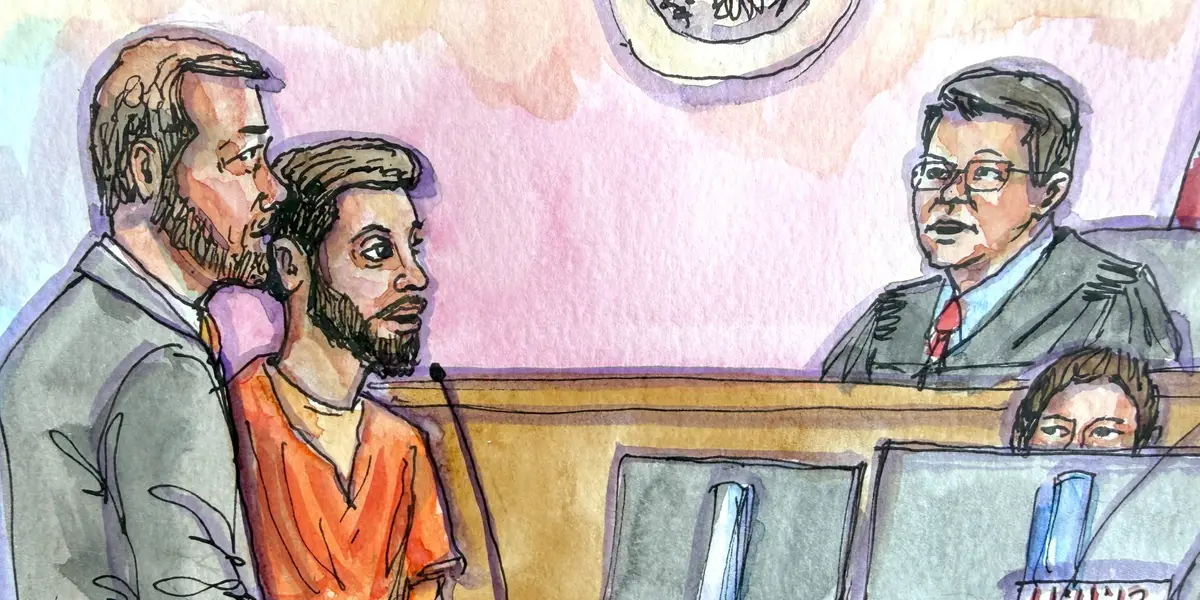
Abdulrahman Alfozan, who was arrested in mid-October, appeared in court on Tuesday as his lawyer sought his release from jail.
“Government counsel acknowledged that if there were supporting evidence, new charges would have been brought when Mr. Alfozan was indicted,” David Rizk, his attorney, wrote in a filing ahead of the court appearance.
“Instead, Mr. Alfozan was indicted solely on the Wiretap Act count that was the subject of the Complaint.”
During Tuesday’s hearing, Rizk demanded that the prosecution turn over discovery documents more quickly, saying they had floated the idea that Alfozan was a “spy,” yet provided nothing to substantiate it. He also said he plans to return to the magistrate judge who ordered that Alfozan remain detained.
When asked by Business Insider how Alfozan is doing in custody, Rizk said, “He doesn’t like it.”
Federal prosecutors in San Francisco arrested Alfozan in October, accusing him of planting a listening device in a conference room at OpenAI’s office, where he worked as an engineer. The criminal complaint accused him of the interception of oral communications.
Prosecutors brought a grand jury indictment against Alfozan later in October and didn’t include more severe charges, such as espionage or theft of trade secrets. He pleaded not guilty in early November.
The prosecution is still looking through evidence, including footage from OpenAI
On Tuesday, US District Judge Vince Chhabria expressed concern that the prosecution might have overpromised during the October hearing that resulted in Alfozan’s continued detention. The prosecution had said at the time that more charges might be brought.
Nick Parker, the assistant US attorney leading the prosecution, said his team is still going through the evidence gathered for the case. That includes 160 hours of audio recordings, which he said appear to be from meetings at OpenAI. They are looking through Alfozan’s and his wife’s computers, as well as video footage from OpenAI.
A power outage at an FBI facility locked Alfozan’s cellphone, Parker said, so investigators hadn’t yet been able to create a full forensic image. Alfozan agreed to provide the password after the hearing.
Parker said also said that the recording device alleged to have been placed by Alfozan was encrypted, so the prosecution cannot access its current contents.
Parker said he wasn’t yet aware of any evidence that Alfozan committed economic espionage, stole trade secrets, or acted as an unregistered foreign agent.
If the threat of those charges can be fully removed, Rizk said, “this case is going to completely change.”
He said that the prosecution had been moving too slowly in delivering him the evidence that he and his client need to fight the case.
An agreement on AI use
Judge Chhabria said that the prosecution should move quickly to provide additional material, including the contents of the laptops, the footage from OpenAI, and any reports prepared by FBI agents working on the case.
Parker said that since there’s OpenAI data on Alfozan’s devices, there’s reason to worry about Rizk using a competitor’s AI model to look through the discovery documents.
“I’m a lot less concerned about that than you are,” Chhabria said in a deadpan. “You need to figure out a way to satisfy yourself on this, and you need to do it quickly.”
He told Parker and Rizk to reach an agreement on the use of AI by midday Friday. They also scheduled another status conference for December 8, a final deadline to submit discovery for December 11, and trial to begin the week of January 19.
Parker said he suspects Rizk will delay the trial after getting the evidence.
A different federal judge had earlier ordered that Alfozan must remain in jail while awaiting trial, ruling there was a high risk he would flee if released because the Saudi government offered to pay his bond and because his wife and son had already flown to Saudi Saudi Arabia.
Photos included in Alfozan’s criminal complaint show images of a USB device plugged into the back of a conference room TV and wrapped in toilet paper. The complaint also included what prosecutors said was a photo of Alfozan checking on the device a week after another OpenAI employee found it hidden there.
Have a tip? Contact this reporter via email at scouncil@businessinsider.com, or over text, Signal, Telegram, or WhatsApp at 415-757-8198. Use a personal email address, a non-work WiFi network, and a non-work device; here’s our guide to sharing information securely.