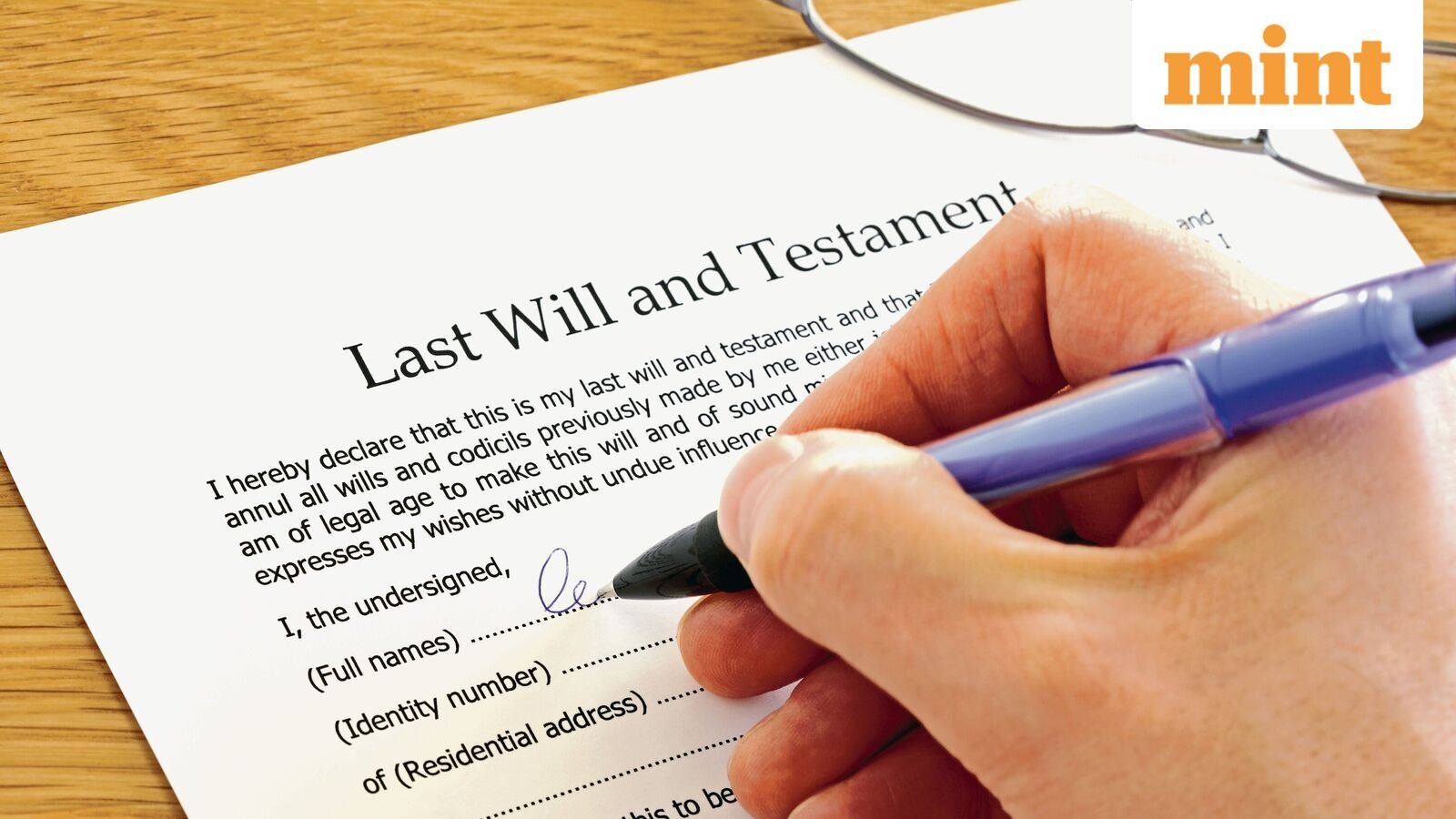
Making a will? Why a medical certificate can help
I am a senior citizen preparing my will. Should I annex a medical certificate and what should it establish, to strengthen the will against future challenges?
– Name withheld on request
A medical certificate obtained contemporaneously with the execution of a will can provide independent evidence of the testator’s mental condition and ability to make an informed testamentary decision. Indian law does not generally require a medical certificate for the execution or registration of a will.
Nevertheless, obtaining one can be a useful precaution, particularly where the testator is of advanced age or has a medical condition that may subsequently raise questions about their testamentary capacity.
The distinction between physical fitness and testamentary capacity is fundamental. Advanced age does not, by itself, diminish a person’s legal capacity to make a will. What matters is whether the person understands the nature of the document, the property they are disposing of and the consequences of their decisions.
Ideally, the certificate should record the doctor’s independent assessment of the testator’s mental alertness, orientation, understanding of the nature and purpose of making a will, appreciation of the property being disposed of, and ability to comprehend the effect of their decisions, including those concerning potential beneficiaries.
The assessment should be undertaken by a qualified registered medical practitioner, preferably close to the date of execution. The certificate should identify the testator, record the date and time of examination, set out the relevant clinical findings and carry the doctor’s signature, professional qualifications and medical registration number.
Independent assessment
Equally important is the independence and credibility of the assessment. A certificate issued as a matter of routine, without a meaningful examination, may contribute little if the testator’s capacity is subsequently disputed. Where there are concerns about cognitive impairment, a specialist assessment may offer greater evidentiary value. It is also advisable to retain the doctor’s examination records, as these may provide valuable supporting evidence if the will is challenged.
The certificate may be annexed to the will, with a specific reference to it in the document. This creates a clear association between the medical assessment and the testamentary instrument and helps preserve the evidence alongside the will.
The purpose of obtaining the certificate is not to satisfy a formality or make the will legally unassailable. A medical certificate cannot establish the testator’s intentions. But if those intentions are questioned years later, it may help demonstrate whether the testator had the capacity to make the decisions recorded in the will.
Rohit Jain is managing partner and Keshav Singhania is head of private client at Singhania & Co.