54-Year-Old’s Flavorful Side Hustle Hits $10K a Month on Amazon
Key Takeaways
- Wimmer realized people wanted better nonalcoholic beverage options.
- She launched her sparkling fruit malt beverage Öl Brew earlier this year.
- The business hit $10k a month in Amazon revenue just months after launch.
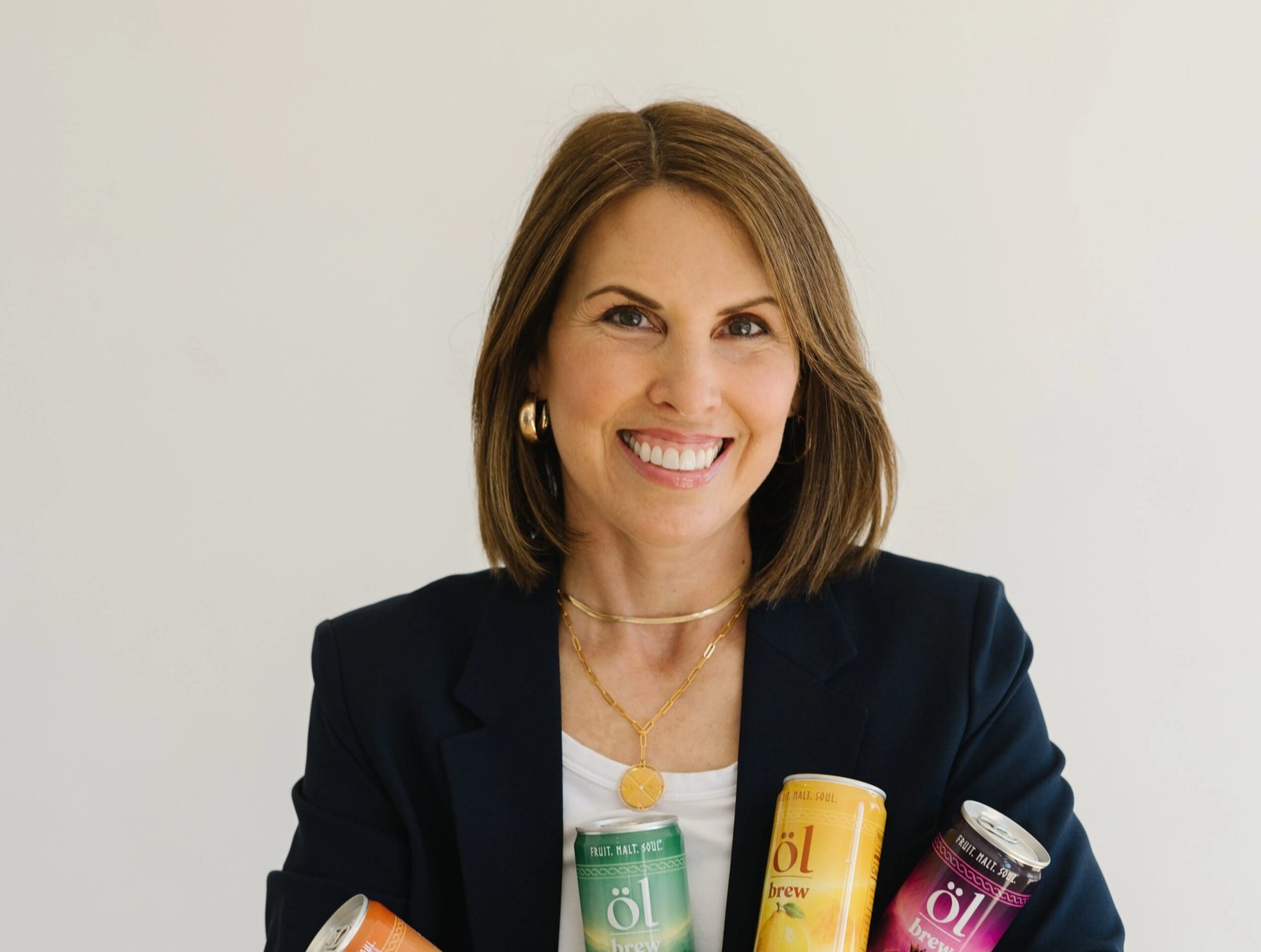
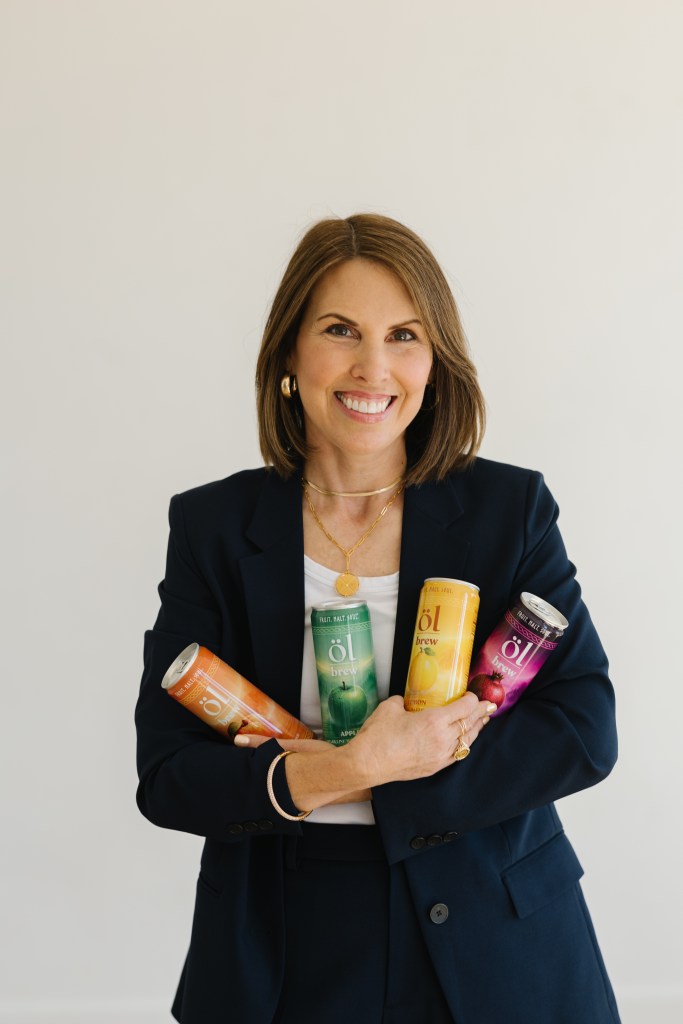
This Side Hustle Spotlight Q&A features Lana Wimmer, 54, of St. George, Utah. She started her side hustle Öl Brew (pronounced “cool” without the “c”), a nonalcoholic sparkling fruit malt beverage, while working about 40 hours a week as a mental health therapist. Once she caught herself sitting in a therapy session thinking about Öl Brew, she knew she had to focus on the business full-time. The brand generates about $10,000 a month in revenue on Amazon. Responses have been edited for length and clarity.
How the side hustle started: Öl Brew
When did you launch the side hustle, and what specific consumer pain point did you want to address?
We launched Öl Brew in 2026, about six months ago, but the idea had been with me for eight years. For most of that time, I kept hoping someone else would make these drinks. I had absolutely no ambition to enter the beverage industry.
My husband and I had lived in Europe and the Middle East, where we’d discovered nonalcoholic fruit malt beverages with this wonderful depth, body and flavor. They were nothing like the sodas we had back home. When we returned to the U.S., I couldn’t find anything that compared. The options felt uninspired: soda, sparkling water or a mocktail trying awfully hard to replace alcohol. I didn’t want an imitation of something else. I wanted a genuinely different drinking experience.
Everyone wanted better nonalcoholic options
How did you validate that people would actually pay for your solution before investing serious money?
One evening, I finally shared my idea over dinner with friends. The response was immediate. Everyone wanted better nonalcoholic options; this wasn’t just my personal preference.
I was also watching a shift in consumer behavior, particularly among my own adult children and their friends. They weren’t gathering around alcohol. They were cold plunging, working out and training for HYROX competitions. Their social lives looked different, and so did their beverage choices. Having spent decades as a therapist, I was especially interested in what was driving that shift. People were becoming more intentional about how they spent their time, what they consumed and how they connected.
Those early conversations gave me the conviction to invest although they weren’t proof of purchase. That came later when we got the product onto shelves and watched customers respond. Sometimes you recognize a gap in the market because you’ve been standing in it for years.
Beginning with a notebook, computer and ChatGPT
Which two or three essential tools, apps or pieces of gear did you buy in your first week, and which ones did you skip to save money?
My first tools were a notebook, my computer and ChatGPT. I started writing down everything I wanted to build, followed by a much longer list of everything I didn’t know.
I used ChatGPT to research flavor houses, co-packers, brand management companies, distributors and how the beverage industry actually works. It helped me learn the terminology, understand the process and figure out whom I needed to talk to. But the real education came when I started taking those questions to people with experience. AI gave me a starting point. Industry professionals gave me context, perspective and occasionally some very expensive lessons.
I also listened constantly to business and beverage podcasts, particularly The Game with Alex Hormozi, Tim Bush’s On the Shelf and Joey Pedone’s Sippin’ & Selling. I didn’t spend money on elaborate software systems or expensive subscriptions in the beginning. My priority was understanding the business well enough to make informed decisions. I learned quickly that information is relatively easy to find. Knowing what to do with it is another matter entirely.
The first 30 days: finding target consumer and four flavors
What were the first three steps you took in your first 30 days?
My first 30 days were focused on three things: Developing a go-to-market plan, identifying our target consumer and first four flavors, and finding the people who could help bring the product to life.
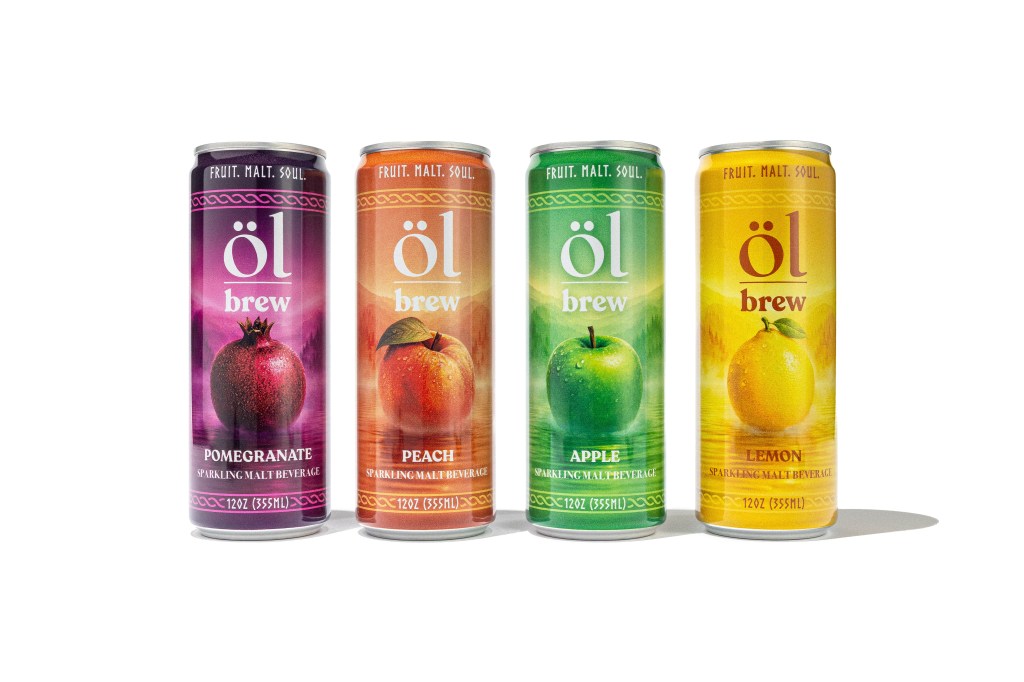
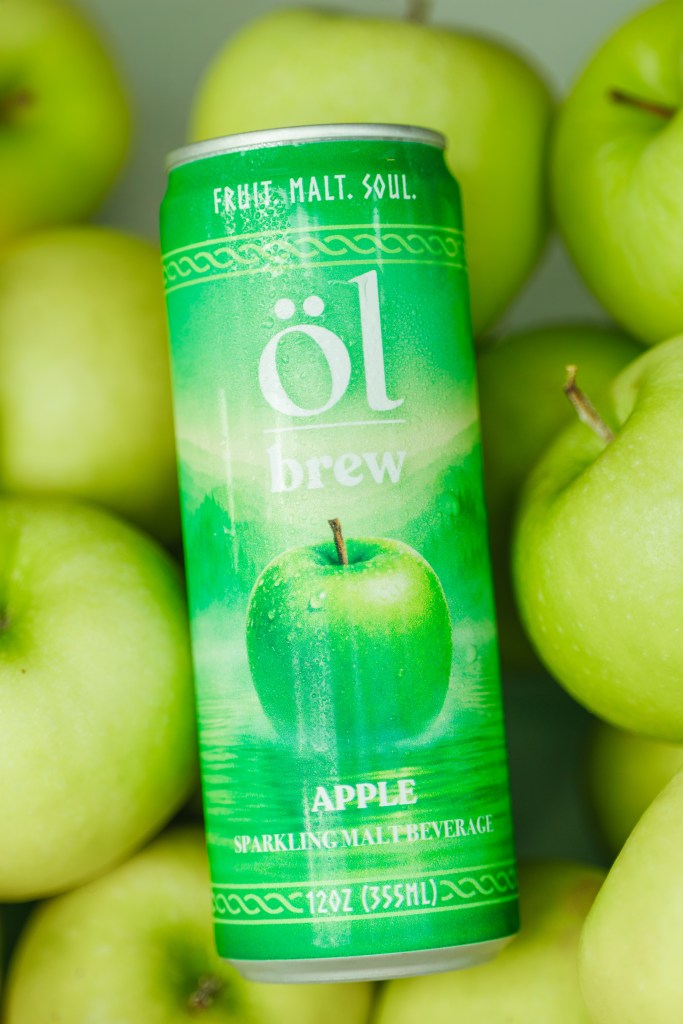
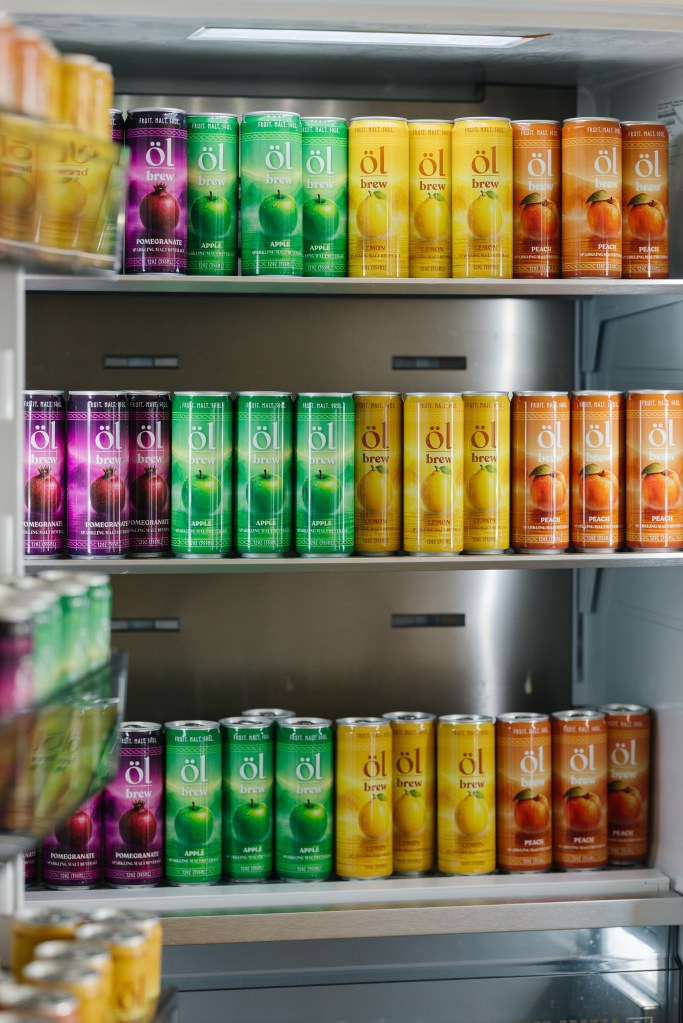
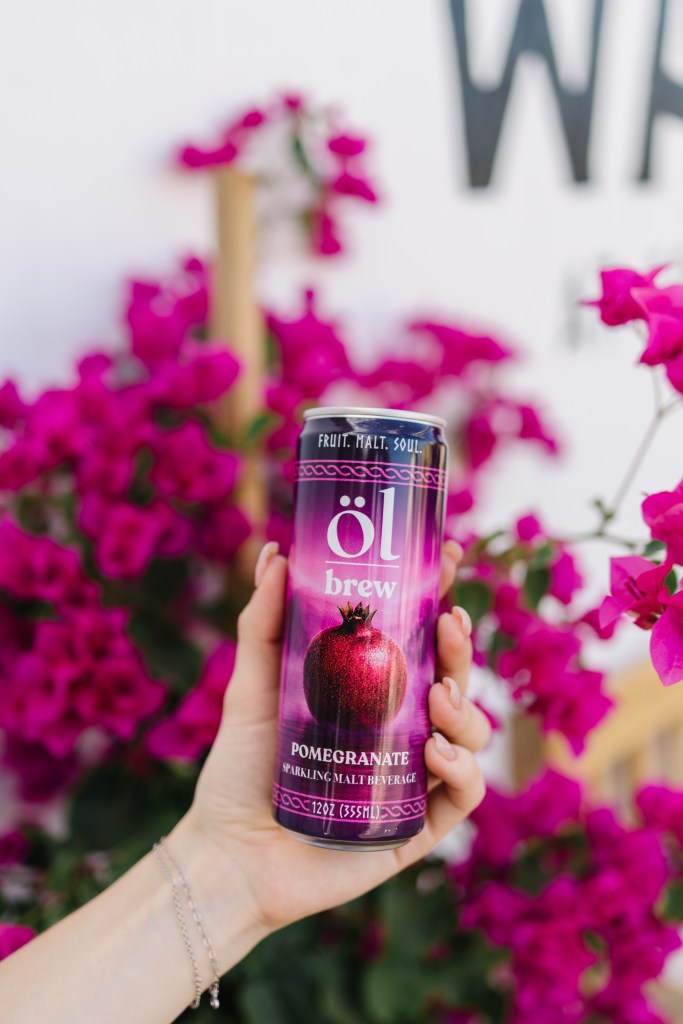
I used AI to help research the industry and build an initial strategy. Then I settled on apple, lemon, peach and pomegranate as our first flavors. I wanted something familiar enough that people would be curious to try it, but different enough that they’d immediately recognize this wasn’t ordinary soda.
Then came the investment. I spent $50,000 hiring a beverage development company to help formulate the drinks and connect us with a co-packer. I also hired a branding company to develop our can designs and brand book. Altogether, the initial upfront cost, including the pilot run and production run, was about $200,000.
Here’s what I learned later: The formulation work could have been arranged without that fee. I didn’t know that at the time. That was an expensive introduction to an industry where relationships, experience and knowing the right questions to ask can save you a tremendous amount of money.
How she landed the business’s first paying customer
How did you land your first paying customer?
Our first paying customer came after our pilot run and initial production, and there was nothing sophisticated about the sales strategy. We walked into a local grocery store, sat down with the manager, introduced ourselves and told him what we were building. He agreed to carry Öl Brew.
Another local farmers market retailer followed, and suddenly our drinks were on shelves, where actual customers could decide if our idea had merit. Those first accounts gave us more than revenue. They gave us feedback, credibility and the opportunity to start building a business in the real world.
After all the planning, design, and money we’d spent, our first sale came from sitting across a table and having a conversation. I rather love that.
Nowadays, which specific tools or platforms help you bring in customers, and what is one feature inside those tools that saves you the most time?
We’re using Instagram, TikTok Shop, Amazon, Walmart.com and our Shopify website to introduce consumers to Öl Brew and drive sales. Because we’re bringing an entirely new beverage experience to the American market, our marketing has to do more than create awareness. We have to give people a reason to be curious. Most consumers understand soda. They understand sparkling water. But sparkling fruit malt soda? That’s a conversation starter.
On the operational side, Klaviyo has been particularly useful for automating customer communication through Shopify. We can capture email addresses, create welcome sequences, share promotions and maintain relationships without manually managing every interaction. That kind of automation matters when you’re running lean.
Navigating the distribution and retailer challenge
What was the single biggest bottleneck that almost stalled your business, and what exact change or process fixed it?
Distribution has been our biggest challenge. The beverage industry has a complicated relationship between retailers and distributors. Retailers want to know who’s distributing your product. Distributors increasingly want retail authorizations before they’ll take on a new brand. Which leaves emerging brands trying to convince both sides to move first.
We would attend trade shows and return with interest from eight distributors across the country. The conversations were promising, the enthusiasm was real, and then everything would stall because we didn’t yet have the retail commitments to support distribution. It was frustrating and forced us to reconsider our approach.
We realized we needed to focus less on how many distributors were interested and more on securing actual retail placements. That meant targeting independent stores and smaller retailers more willing to take a chance on something new. We also brought on an experienced VP of sales to help sharpen our strategy, prioritize accounts and build a more disciplined approach to retail expansion. It’s a significant shift, and we’re beginning to see a clearer path forward.
Bringing in about $10k monthly in Amazon revenue
How many months did it take to reach consistent monthly revenue, and what was your average monthly profit during your first six months?
We’re still working toward consistent monthly revenue. We’re only a few months into launch, and building a beverage brand requires significant capital long before the revenue catches up. But we’ve had encouraging early traction.
During Sober October, Öl Brew reached No. 14 in a nonalcoholic beverage ranking on Amazon. We also generated approximately $10,000 in Amazon revenue during October, just months after launching on the platform.
We’re not yet consistently profitable. We’re investing in inventory, marketing, distribution and the team we need to support growth. There’s a part of entrepreneurship that rarely makes it into the success stories: the period when you’re spending money, making adjustments and trying to determine which investments will actually produce results. That’s where we are.
Investing in growth on Amazon and other channels
What is your current monthly revenue and profit margin?
We’re about six months into launch, with Amazon generating approximately $10,000 in monthly revenue, plus additional sales through retail and other ecommerce channels. We’re still investing heavily in growth, so we haven’t established a consistent net profit margin.
What part of the work do you still handle yourself, and which tasks have you outsourced?
As for my time, I spend roughly 10 hours a day on Öl Brew, often more. My work falls into three main areas: brand awareness, retail and distribution, and manufacturing and operations. We’ve outsourced Amazon optimization and SEO, TikTok Shop management and creator partnerships, and much of our branding, marketing and social media execution.
Mistakes to avoid when starting a side hustle from scratch
If someone is starting from scratch today, what are common beginner mistakes they should avoid?
Don’t rush into hiring. I made the mistake of trusting people who promised far more than they could deliver. Some were convincing, experienced and very good at selling their services. I was excited about building the brand, and that excitement sometimes made me move faster than I should have.
Now, I recommend interviewing at least three to five people or companies before making a significant hire. The interview process itself is an education. You’ll hear different strategies, cost structures and perspectives on what’s possible. Eventually, you’ll begin to recognize who understands the work and who simply knows how to sell it.
And don’t confuse confidence with having all the answers. I started a beverage company at 54 after a career in mental health. I knew a great deal about people and relationships. I knew very little about beverage manufacturing, distribution or retail. That experience has been both humbling and energizing. What I brought into this business wasn’t industry expertise. It was curiosity, conviction and a willingness to learn. I still believe those are some of the most valuable things an entrepreneur can have.
Be ambitious about what you want to build. Just be equally discerning about who you trust to help you build it.
Key Takeaways
- Wimmer realized people wanted better nonalcoholic beverage options.
- She launched her sparkling fruit malt beverage Öl Brew earlier this year.
- The business hit $10k a month in Amazon revenue just months after launch.
This Side Hustle Spotlight Q&A features Lana Wimmer, 54, of St. George, Utah. She started her side hustle Öl Brew (pronounced “cool” without the “c”), a nonalcoholic sparkling fruit malt beverage, while working about 40 hours a week as a mental health therapist. Once she caught herself sitting in a therapy session thinking about Öl Brew, she knew she had to focus on the business full-time. The brand generates about $10,000 a month in revenue on Amazon. Responses have been edited for length and clarity.
How the side hustle started: Öl Brew
When did you launch the side hustle, and what specific consumer pain point did you want to address?
We launched Öl Brew in 2026, about six months ago, but the idea had been with me for eight years. For most of that time, I kept hoping someone else would make these drinks. I had absolutely no ambition to enter the beverage industry.
My husband and I had lived in Europe and the Middle East, where we’d discovered nonalcoholic fruit malt beverages with this wonderful depth, body and flavor. They were nothing like the sodas we had back home. When we returned to the U.S., I couldn’t find anything that compared. The options felt uninspired: soda, sparkling water or a mocktail trying awfully hard to replace alcohol. I didn’t want an imitation of something else. I wanted a genuinely different drinking experience.