Public power pushing for permitting overhaul

What’s at Stake: Easing notoriously complex federal permitting process will speed up energy and transportation projects and make it harder to rescind a permit
Processing Content
Expert Quote: It’s “hard to make those investments when you don’t know how long the permitting process is going to take” — Sarah Mathias, Senior Government Relations Director, APPA
Forward Look: Potential Senate votes later this week
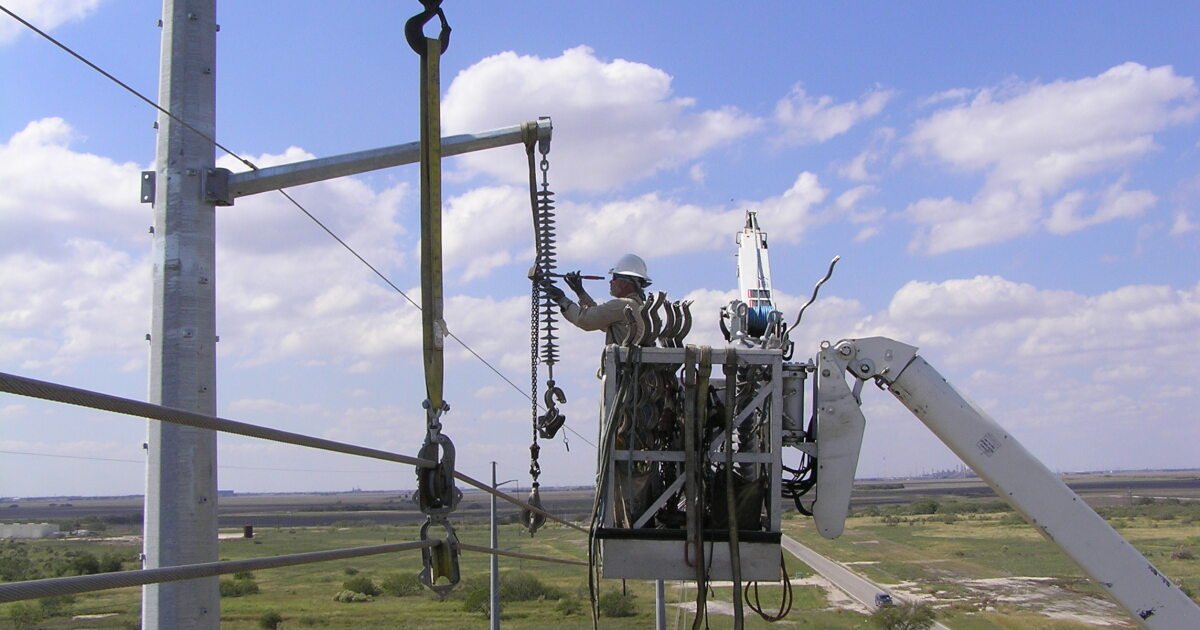
Public utilities that issue tax-exempt bonds support a high-profile permitting bill that the Senate is expected to take up this week.
American Public Power Association, the primary trade association for community-owned, not-for-profit public power utilities, formally endorsed the
BAAJA features a major overhaul of federal permitting and environmental reviews to speed up energy and transportation infrastructure projects. The Senate advanced the bill Monday by voting 70-27 to end debate on a managers’ amendment.
The permitting bill is “a big deal,” said Sarah Mathias, APPA’s senior government relations director. “We’ve been talking about permitting reform for years now, and demand has only increased,” she said.
“From a public power perspective, our members are not-for-profits trying to be good stewards and investing in what they need to, and it’s hard to make those investments when you don’t know how long the permitting process is going to take,” Mathias said.
“There are so many wins for public power [in the bill],” she added. “Demand is off the charts, public power utilities need to build infrastructure affordably and reliably and it takes far too long and costs too much. Our guiding principle is that we think the bill will help utilities service their communities more affordably and reliably.”
The manager’s amendment that advanced Monday clarifies that infrastructure projects financed under the Transportation Infrastructure Finance and Innovation Act and Railroad Rehabilitation and Improvement Financing programs are not excluded from the bill’s provisions.
The bill marks a rare area of bipartisanship but the alliance is fragile.
Several Democrats are opposed to a provision that Native American tribes
Sen. Jeff Merkley, D-Ore., who will chair the Environment and Public Works Committee next Congress, wants Democrats to hold off until Democrats take control.
Sen. Ed Markey, D-Mass., urged a “no” vote on the bill.
“Democrats are being asked to accept massive rollbacks of federal environmental protections,” Markey said on the Senate floor Monday. “With those rollbacks, states, tribes and communities are left without the levers they need to pause or halt an unwanted data center or gas plant.”
Speaker Mike Johnson, R-La., has said he think the House has enough votes to pass the measure during the lame-duck session.
The measure also forces data center operators to pay the full cost of the electricity they use and the grid upgrades they require.
The bill would accelerate federal review schedules by narrowing the amount of federal actions currently required for National Environmental Protection Act review, expanding categorical exclusions and enforcing stricter schedules for objecting to projects. It would limit environmental challenges under the Clean Water Act, the Endangered Species Act, the National Environmental Policy Act and the National Historic Preservation Act
It would also protect already-issued permits by blocking agencies from revoking or altering federal authorizations for projects with nonfederal sponsors that were in effect after September.
The American Association of State Highway and Transportation Officials, which represents state transportation departments, also supports the bill.