Bought health insurance with a pre-existing disease? Check waiting period for claims and if you can reduce or waive it
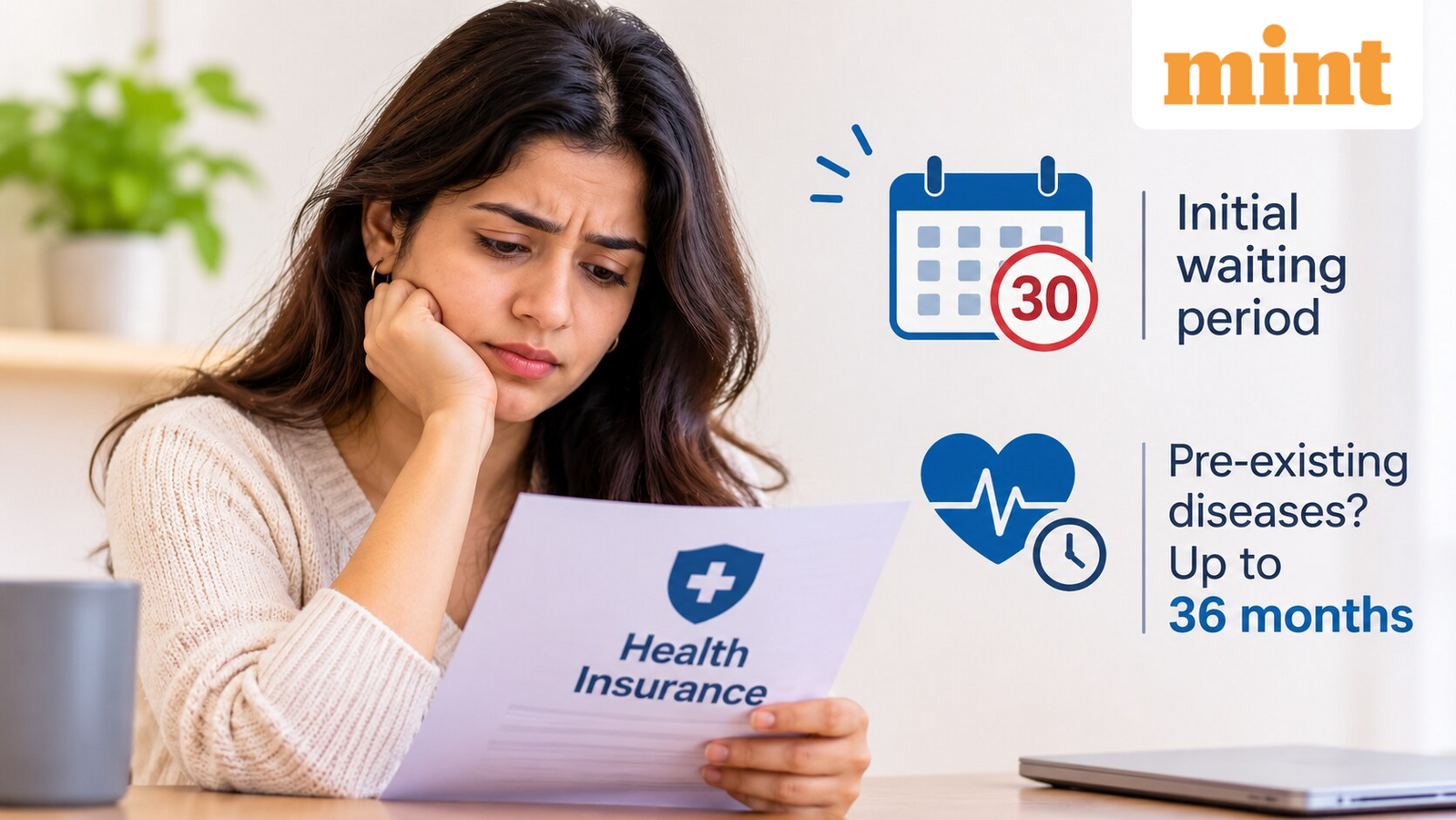
When you buy a health insurance policy, you cannot request a claim immediately. All policyholders, irrespective of their age, must serve an initial waiting period, which is generally 30 days from the date of policy issuance.
During this waiting period, insurance companies would not cover hospitalisation expenses arising from illnesses, though accidental hospitalisation is covered from day one, subject to the policy terms and conditions.
The waiting period becomes longer for pre-existing diseases. Any medical condition such as high blood pressure, diabetes or asthma, that was diagnosed purchasing a health insurance plan is considered pre-existing disease.
How do pre-existing disease waiting periods work?
As per guidelines by the Insurance Regulatory and Development Authority of India (IRDAI), the waiting period for pre-existing diseases cannot exceed 36 months of continuous coverage under a health insurance policy.
“This provision applies to both regular policyholders and senior citizens. However, insurers may offer different waiting periods depending on the product, age, underwriting assessment and policy terms,” Rohan Goel, Business Head of Health Insurance at Policybazaar, told Livemint.
He further advised that senior citizens (60 years and above) should pay more attention to the waiting-period clauses, as they may be more likely to have existing health conditions when purchasing a policy.
It is therefore important for consumers to compare not just the premium and sum insured, but also the waiting periods, exclusions and other coverage conditions before purchasing a health insurance policy.
What qualifies as a pre-existing disease?
A pre-existing disease refers to any condition, ailment, injury or disease that has been diagnosed by a physician within 36 months before the commencement of the health insurance policy, or for which medical advice or treatment was recommended or received during this period, Goel said.
“A condition does not necessarily have to require hospitalisation to qualify as a pre-existing disease. Even if an individual is managing a condition through regular medication or medical consultations, it may fall under this category,” he added.
He also advised consumers to disclose their complete medical history, including ongoing medication and previous diagnoses, at the time of purchasing a policy as non-disclosure or misrepresentation of medical information can lead to complications during the claim process.
Can you waive or reduce the waiting period?
Yes, health insurance products offer options to reduce the pre-existing disease waiting period, sometimes through riders. This means, a policyholder can reduce their waiting period for making claims by paying an extra amount, which depends on how much a particular insurance company charges.
Citing an example, the expert said, a policy that ordinarily has a three-year waiting period may offer an option to reduce it to a shorter duration through pre-existing disease reduction rider, subject to the insurer’s terms and underwriting conditions. Additionally, there’s also an option to opt for immediate coverage through day one covers, Goel added.