Democrats’ affordability mandate could revive swipe-fee fight
- Key insight: Affordability, the top issue for voters in last week’s elections, could carry along new challenges to interchange, credit-card competition measures and state-level consumer protection enforcement.
- Supporting data: Nine out of ten voters cited affordability as a major factor in their vote.
Democrats’ affordability mandate, following this month’s “blue tsunami,” could inject new fervor into state-level pushes to curtail interchange fees and the dominance of credit card networks.
For banks, some of the most immediate pressure could come in the form of crackdowns on interchange fees, or swipe fees, that merchants pay to credit card networks when customers pay with plastic. Nine out of ten voters cited the cost of living as a “major” or “crucial” factor in their vote, according to
Processing Content
“The election results this week show people are very eager for getting at issues that make life less affordable, and credit card swipe fees are one of those problems out there that makes life less affordable for Americans,” said Doug Kantor, general counsel of the National Association of Convenience Stores and a representative of the Merchant Payments Coalition. “So I expect there will be more consideration in states and in Congress of ways to deal with that.”
Democrats won healthy majorities in both congressional chambers last week, but state level gains were equally pronounced according to
Critics of interchange fees
including those who pay with alternative methods and receive none of the direct benefits
associated with card use.”
Banks charge interchange fees — also known as swipe fees — every time a credit card is used, and those fees are justified as necessary to pay for fraud prevention, the cost of processing the transaction and offsetting the costs of credit card rewards. The fees are set by the card networks such as Visa or Mastercard and often are around 2% to 3% of a transaction. Merchants
Kantor said he expects swipe fee proposals to surface in more than a dozen states and that lawmakers could consider a variety of methods for cracking down on them through legislation. A model pre-dating the election is the Illinois Interchange Fee Prohibition Act, signed into law by Governor J.B. Pritzker in 2024, which would bar banks and their affiliated card networks from levying such fees on the state sales tax and gratuity portions of transactions, with state officials saying merchants should not be charged for processing non-revenue.
Getting an anti-swipe fee-measure across the finish line isn’t a given though, even in a blue state. Illinois’ law is currently on pause following
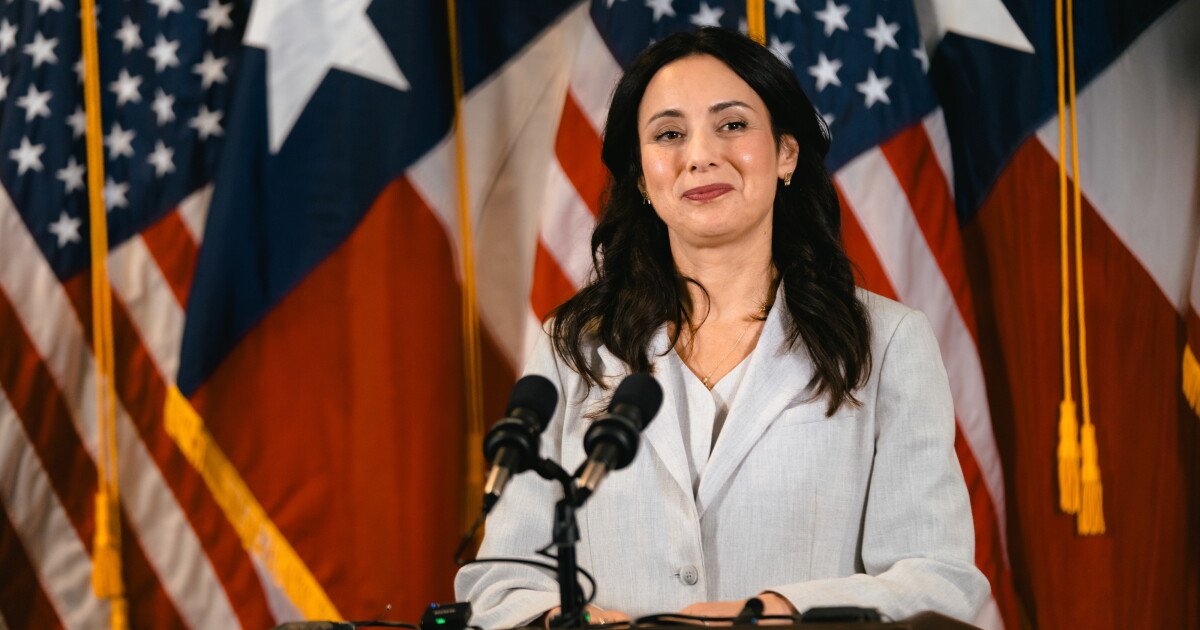
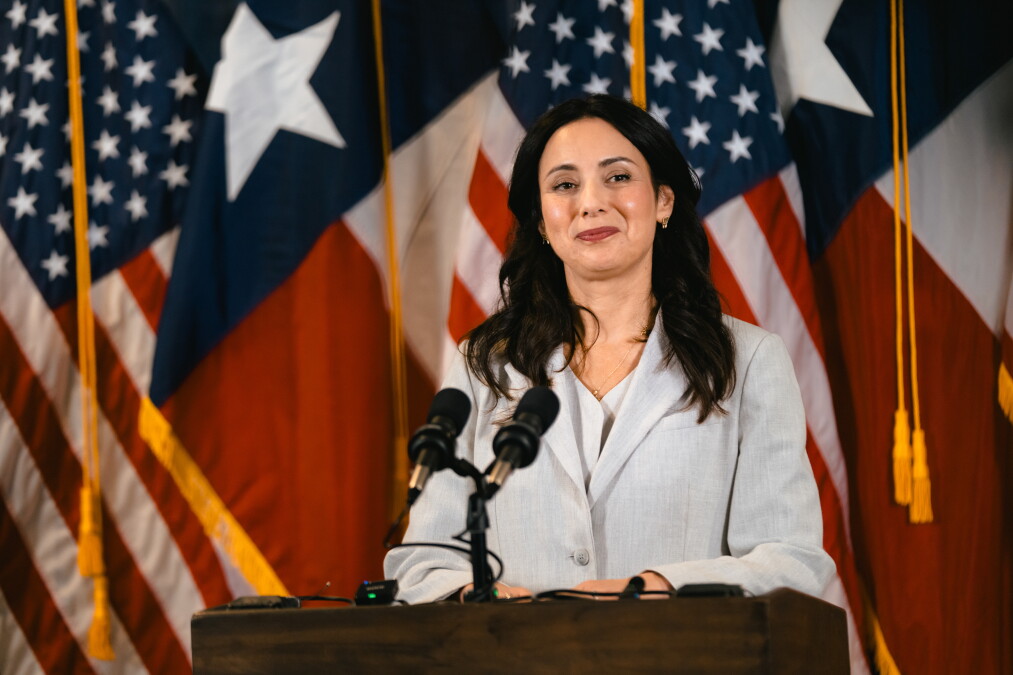
Some states remain mixed politically and will have less authority to move without rigorous debate. Texas, for example, has a new governor in Democrat Gina Hinojosa that has made populist affordability issues a central issue. Last week, in an interview she argued that despite being in Texas, there is room for tackling corporate dominance over average Americans.
“We have always been a pro-business state in Texas, but what changes now with me as governor is it has to be a partnership that benefits Texans,” Hinojosa said in an interview with CNN last week, discussing the need for stronger protections around data centers. “We can have a strong economy, strong industry, and protections for the people of Texas. Those things are not mutually exclusive.”
Some, like Chris Furlow, president and CEO of the Texas Bankers Association, argued that banking industry interests will work with policymakers of either party.
“Whether our elected leaders wear blue or red jerseys, Texans want to build strong futures for their families and businesses, and our priorities haven’t changed,” Furlow said, adding the group will continue working with lawmakers to fight fraud, promote local lending and ensure regulation is appropriately tailored. “As the eighth largest economy in the world, Texas is now home to more financial services jobs, commercial banks and community banks than any other state. That momentum will continue because policymakers understand that a strong financial sector creates jobs, supports small businesses and keeps our communities growing.”
Another issue: what critics say is an anticompetitive credit card network system could also face scrutiny, according to merchant advocates. The Credit Card Competition Act, which has been introduced repeatedly in Congress, would require banks to enable charges over an unaffiliated card network. Kantor says these kinds of measures could also be roped into the affordability agenda.
“There are some other approaches as well that get at things more like the federal legislation that’s out there that says, hey, look, you should at least have competition among the credit card networks,” Kantor said. “There may be some of all of those things, and more.”
Consumer advocates such as Dennis Kelleher, president of Better Markets, say state attorneys general have, and will continue to, take a more active role in consumer financial protection overall, especially regarding kitchen table issues.
“These are not merely consumer financial protection issues but also cost of living and affordability issues that certain financial companies make more difficult,” Kelleher said. “State lawmakers and agencies will likely continue to address high-cost products offered by fintech companies that target vulnerable consumers, including earned wage access, buy-now-pay-later loans, and merchant cash advances for small businesses.”
“One can expect synergy between state attorney generals, consumer groups, and plaintiffs’ lawyers to address widespread harms inflicted on financial consumers victimized by financial predators and scammers who are benefiting from if not being incentivized by Trump’s CFPB’s abandonment of its vital mission and mandate,” Kelleher concluded.