
Roy Cooper flips bank-heavy North Carolina
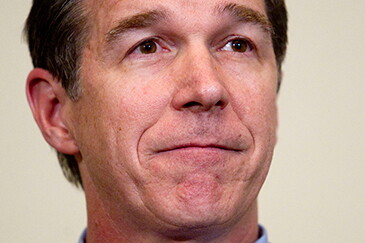
- Key insight: Roy Cooper wins Thom Tillis’ Senate seat, and could very well wind up sitting on the Senate Banking Committee.
- What’s at stake: Cooper has a long history in financial-services law, ushering in some of the first local consumer protection laws and enforcing them as North Carolina’s first attorney general.
WASHINGTON — Roy Cooper has won the open Senate seat in North Carolina, and is a likely candidate for a seat on the Senate Banking Committee.
Processing Content
Cooper was the state’s governor, and one of Democrats’ best chances of flipping a Senate seat this midterm cycle. He ran against Michael Whatley, the former Republican National Committee chairman. The Associated Press called the Senate race for Cooper at 8:23 p.m. on Tuesday, relatively early.
He will replace Sen. Thom Tillis, a Republican who made headlines throughout the year for departing from President Donald Trump vocally after Tillis announced his retirement. Tillis is currently chair of the Senate Banking Committee’s subcommittee on financial services, and played a leading role in negotiations between the Senate and the White House on stablecoin yield in the crypto market structure bill, when the banking industry found itself pitted against crypto interests.
Cooper, as one of two senators from North Carolina, is a likely candidate for the Senate Banking Committee, which is typically represented on the panel because of the large banks headquartered or with strong presences in the state. The state’s other senator, Ted Budd, a Republican, has also expressed interest in the panel, although the contest will likely come down to how the numbers break out after control of the Senate is decided.
Cooper has a
As governor, Cooper’s approach to banking, a major economic driver for North Carolina, has been moderate. He appointed fairly traditional banking regulators for the state.