OPay abruptly pulls US IPO as inquiry derails offering
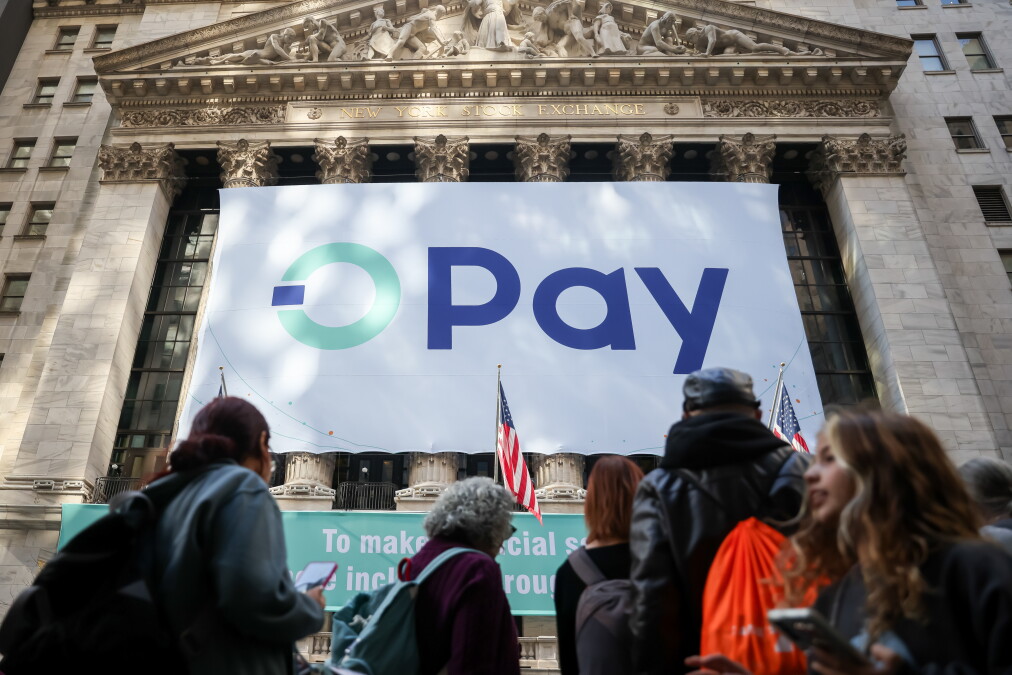
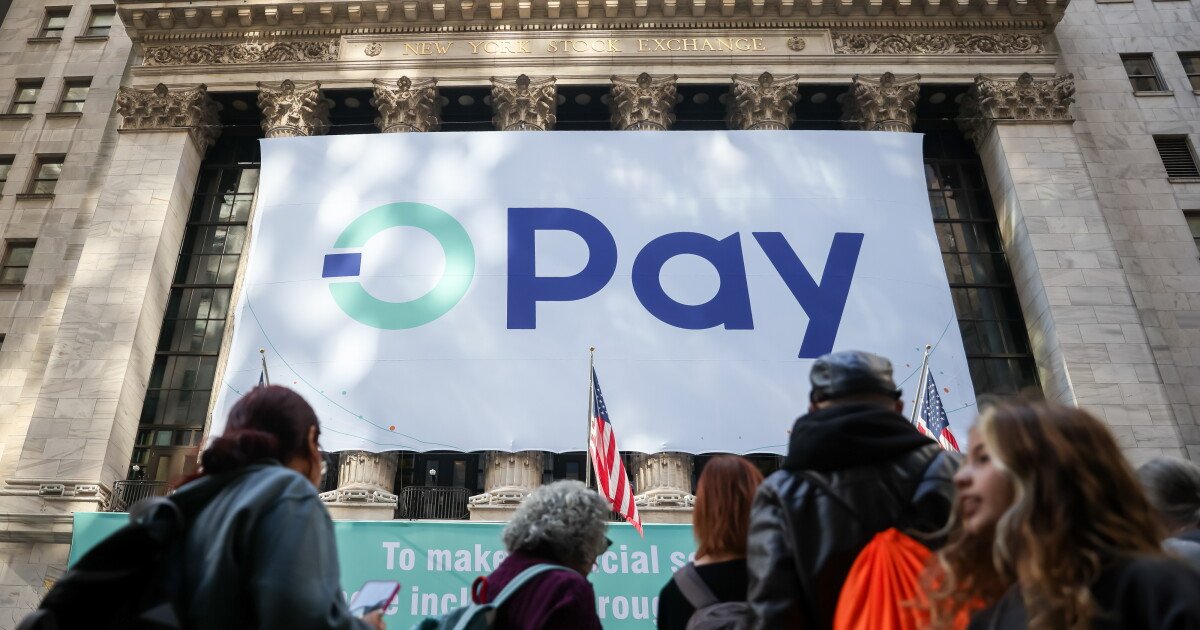
- Key insight: Nigerian fintech OPay rang the opening bell for its IPO on Friday but never started trading, later announcing that it decided to not complete the offering that day.
- Supporting data: Standard Bank had previously agreed to invest up to $200 million in the IPO via a formula that would cap its stake in OPay at 4.99% after the now-paused IPO.
Processing Content
The unexpected decision to not start trading on the New York Stock Exchange came “following a recent regulatory inquiry relating to a jurisdiction immaterial to the company’s business operations,” according to
The statement in the filing did not specify the regulator or the cause of the inquiry. An OPay representative confirmed with American Banker that the matter “relates to an inquiry in a foreign jurisdiction,” but did not specify the country of origin or provide additional details regarding the inquiry beyond stating that “this development should not be misconstrued as a reflection on the company’s business performance, financial condition, operational integrity or regulatory standing.”
A separate statement
“The company is confident that the inquiry will be concluded satisfactorily in the near future,” the company’s 6-K statement continued. “However, after careful consideration and discussions with the underwriters, the company determined that not proceeding with the offering at this time would be the most prudent course of action. As such, the company and the underwriters mutually agreed to terminate the underwriting agreement.”
Matthew Kennedy, senior IPO market strategist for Renaissance Capital, told American Banker that it is rare, though not without precedent, for a company to cancel an IPO after announcing pricing.
The phrasing in Opay’s statements regarding the regulatory inquiry “could mean it was from a market where it has only a small amount of revenue, such as Egypt or Pakistan, or from a jurisdiction where it has subsidiaries incorporated, such as the UAE or UK,” Kennedy said. “There’s also the possibility that the inquiry relates to its potential collaboration with Standard Bank, which operates in numerous African countries.”
Citigroup, Standard Bank of South Africa Limited and Deutsche Bank’s Hong Kong branch were previously announced as the joint book-running managers for the proposed offering. Standard Bank and Deutsche Bank did not respond to requests for comment, and Citi declined to comment.
Standard Bank had agreed to invest up to $200 million through share purchases, according to OPay’s F-1 filing, subject to a formula that would cap its stake at 4.99% after the offering.
Stanbic Africa Holdings Limited, a subsidiary of Standard Bank, had previously entered a memorandum of understanding with OPay in August of this year, according to the F-1 filing. Standard Bank’s Africa head, Lungisa Fuzile, was also expected to join OPay’s board following the IPO.
OPay, which launched in 2018 as a payments company, has around 50 million users across Nigeria, Egypt, Pakistan and Indonesia, according to previous public statements. The company
Read more:
The Lagos-based company reported $91 million of net income on $467 million in revenue for the first half of 2026 in its initial financial statements, as well as over $270 million in investment from firms like SoftBank, IDG Capital, HSG, GSR Ventures and Source Code Capital.
On Friday morning, the company announced that it would be pricing its initial shares at $19 each, which was the bottom of the expected range in the prospectus filing. The shares were indicated to open at $16.25 to $16.75 each as of 2 p.m. on Friday, according to
“Obviously the broader market was down significantly on Friday, so that’s the context,” Kennedy said, referring to a sell-off in artificial intelligence and tech stocks. “Based on early indications of expected trading, I don’t expect the buyside to complain too loudly that the deal was pulled.”