How to identify fake silver coins at home: 4 simple tests to check purity before buying this Dhanteras
With the beginning of the festive season, demand for gold and silver is rising across India. As Dhanteras approaches, many households follow the tradition of purchasing precious metals, with silver coins remaining a popular choice for investment and religious and auspicious purposes.
However, buyers often face concerns about the purity and authenticity of silver coins. Unscrupulous sellers may mix silver with other metals, including copper, nickel, aluminium, zinc and cadmium, potentially reducing the actual silver content.
While hallmarking provides an important means of verifying precious metal purity, consumers should not rely solely on the appearance of a silver coin. There are several simple tests that can offer preliminary indications of whether a silver coin is genuine.
Here are four methods that consumers can try at home before purchasing or accepting silver coins.
1. Silver ice cube test
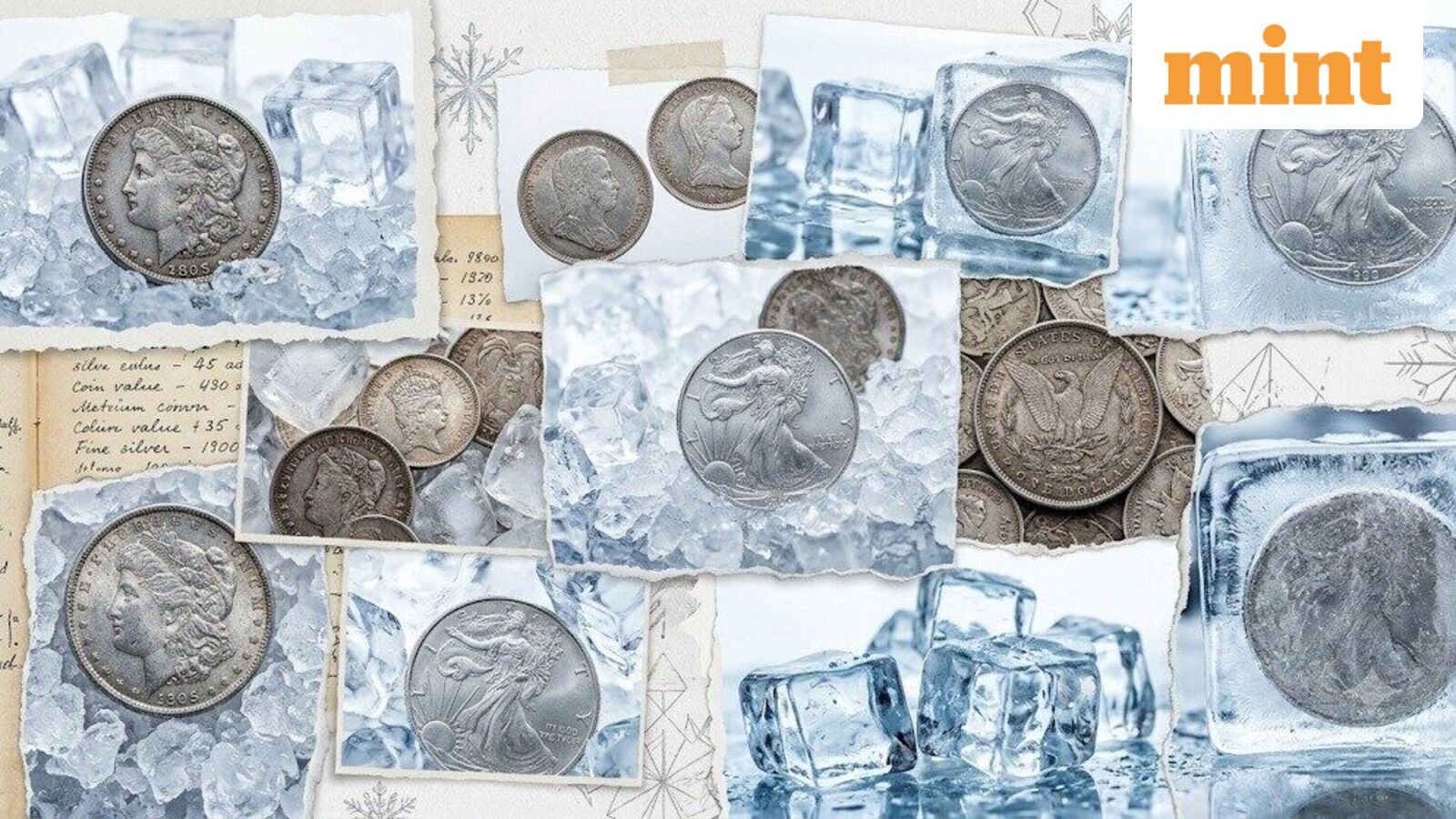
One of the simplest ways to check silver at home is the ice cube test. Silver has very high thermal conductivity, meaning it transfers heat much faster than many other commonly used metals.
To conduct this test, place a small ice cube directly on the silver coin or metal surface.
If the object contains a substantial amount of silver, the ice should begin melting relatively quickly as heat is transferred from the metal to the ice.
However, this test is not conclusive proof of purity. Other metals also conduct heat, although at different rates. The size and temperature of the coin and surrounding environment can also affect the result.
2. Use a magnet to identify fake silver
The magnet test is another convenient method for checking the authenticity of silver coins.
Bring a strong neodymium magnet close to the coin and observe its reaction.
Pure silver is non-magnetic and should not stick to the magnet. If the coin is strongly attracted to it, this may indicate the presence of ferromagnetic metals such as iron or certain nickel alloys.
However, a coin that does not respond to a magnet cannot automatically be considered genuine. Copper, aluminium, zinc and several other metals are also non-magnetic.
Therefore, the magnet test should be treated as an initial screening method rather than a definitive purity check.
3. Check the sound produced by the silver coin
The sound test is another traditional method used to assess silver coins.
Place the coin on a fingertip and gently tap it with another metal object. A genuine silver coin generally produces a relatively clear, high-pitched ringing sound that can resonate briefly.
In comparison, coins made from certain base-metal alloys may produce a shorter, duller sound.
However, the sound can vary depending on the coin’s thickness, size, shape and composition. This method is therefore more useful for comparing coins of identical design and specifications than for establishing purity independently.
4. Check the hallmark before purchasing
Checking the hallmark is among the most important steps when purchasing silver jewellery and coins.
A hallmark provides information about the purity of the precious metal and helps consumers identify the declared silver fineness.
For instance, 925 silver contains 92.5% silver, while 999 silver represents 99.9% silver.
Consumers should check the hallmark and purchase documentation before completing a transaction. They can also ask the jeweller for a certificate or other proof of purity.
Although the presence of a hallmark offers additional assurance, buyers should verify its authenticity rather than relying on a stamp alone.
Do home tests guarantee genuine silver?
The ice cube, magnet and sound tests can help consumers identify certain suspicious characteristics, but none of these methods can independently establish the exact purity of a silver coin.
For greater confidence, buyers should purchase silver from reputed jewellers, insist on a proper invoice and check the declared purity.
If doubts remain, professional testing through an appropriate purity-testing facility is advisable.
With silver purchases traditionally increasing during Dhanteras and Diwali, taking these precautions can help consumers reduce the risk of buying adulterated or misrepresented products.