
Vantage Bank, Thread Bank discuss fintech collaboration
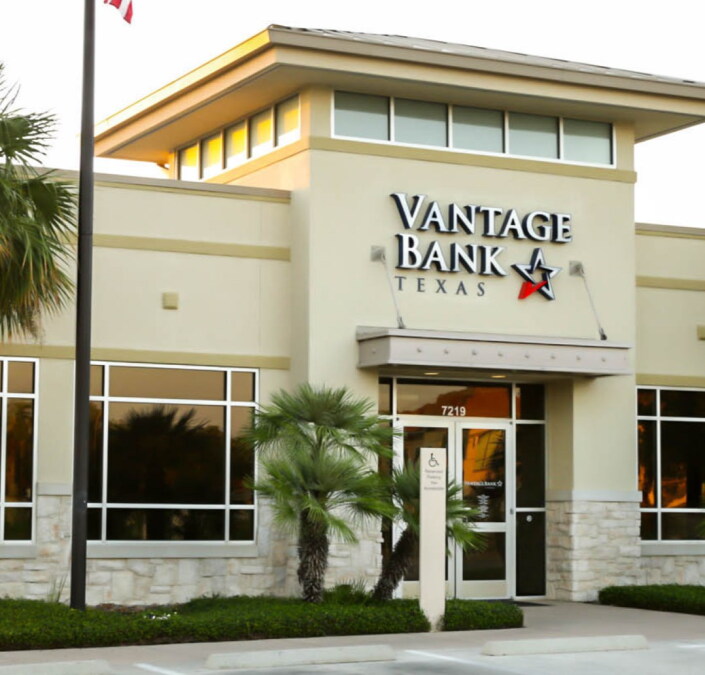
- Key insight: Small banks face challenges in adopting generative AI, digital assets and embedded finance.
- Expert quote: “We’ve always thought that just big banks or just fintechs are our only competitors, but we now have a new class of competitor and that’s the stablecoin issuer.” ——Vantage Bank’s Shawn Main
With
Processing Content
“Bigger banks, obviously you’re seeing them build [digital assets] and they feel like that’s competitive for them,” Shawn Main, executive vice president and chief business architect at $5.4 billion-asset Vantage Bank, said at American Banker’s
Main spoke about the choice between collaborating with fintechs to build new technology, buying it or going it alone.”But I think for community and regional banks, it’s very important that we all come together,” Main said.
Building a network
Main has a vested interest in collaboration.
Along with Custodia Bank, Vantage Bank is one of the partners that developed
“You need a way to more rapidly adopt the technology without taking on a lot of risk and really have a way to start to experiment and learn. And more than anything, I would say grow that operational muscle,” Main said. “That operational muscle is the most important thing.”
Smaller banks have the same needs as larger institutions regarding digital assets such as stablecoins and tokenized deposits, which also play a role in the development of agentic commerce, according to Main.Banks are relatively late to the stablecoin market as they awaited enabling regulation, giving cryptocurrency-focused companies a headstart.
“We’ve always thought that just big banks or just fintechs are our only competitors, but we now have a new class of competitor and that’s the stablecoin issuer. And so you’re seeing a lot of banks, fintechs actually start to go after
It’s also about control over the stablecoin or tokenized deposit-related product. While there are more than $300 billion in stablecoins circulating, according to McKinsey, very little is used for payments. McKinsey found that actual stablecoin payments totaled closer to $390 million in 2025 — or about 0.02% of global payments volume. And even for use cases such as B2B payments and remittances, stablecoins are gains of sand on the beach.
So that leaves other stablecoin-supported products, such as speeding up payment processing, enabling cross-border transactions or contribution to agentic commerce, according to Main.
“If you truly believe that everything is going to be tokenized, capital markets, real world assets, et cetera, then if you want to play in that sandbox, you have to have access to these rails and to this technology,” Main said. “The best way to do that for most community banks is to join a network.”
Making a choice
When choosing between building in-house or another option it is important to determine if the internal mix of talent is enough, as well as a bank’s existing customer base, according to Thread Bank’s Amanda Coleman.
“You should build when you have the people, the technology and the funds. So especially when you already have the customers and you can do those other pieces correctly, build the tech, buy it if you want to move quickly because we all know that building technology takes a lot longer than we anticipate,” Coleman, head of embedded deposit partnership and issuing at Thread Bank, an institution that provides community bank services in eastern Tennessee, said during American Banker’s conference.
Thread sells a “community feel” for embedded finance but with up-to-date technology. “I think that’s one of the things community banks are trying to figure out, how to grow and how to stay competitive,” Coleman said. “And one of the things you can do for that is get into embedded finance. So showing that bringing the right people and the right level of technology can do that.”
Having the right people in place is key to building internally or working through a partner, according to Coleman, adding a faster time to market lends itself to partnering with a fintech.
“So at that point you would want to buy to bring that digital experience faster and then embed it when someone else has the customers that you want. So that way you can become their partner and bring those to your institution,” Coleman said.
When vetting partners, setting expectations, writing service level agreements, ensuring the bank is covering its costs are important, according to Coleman.
“You need to audit your fintechs every single year. A cost is associated with that,” Coleman said. “It’s just making sure that you’re thinking through the big picture of what the next 12 months, 18 months look like and what does this relationship cost?”