Manhattan Renters Now Need To Make $215K To Afford the Typical Apartment
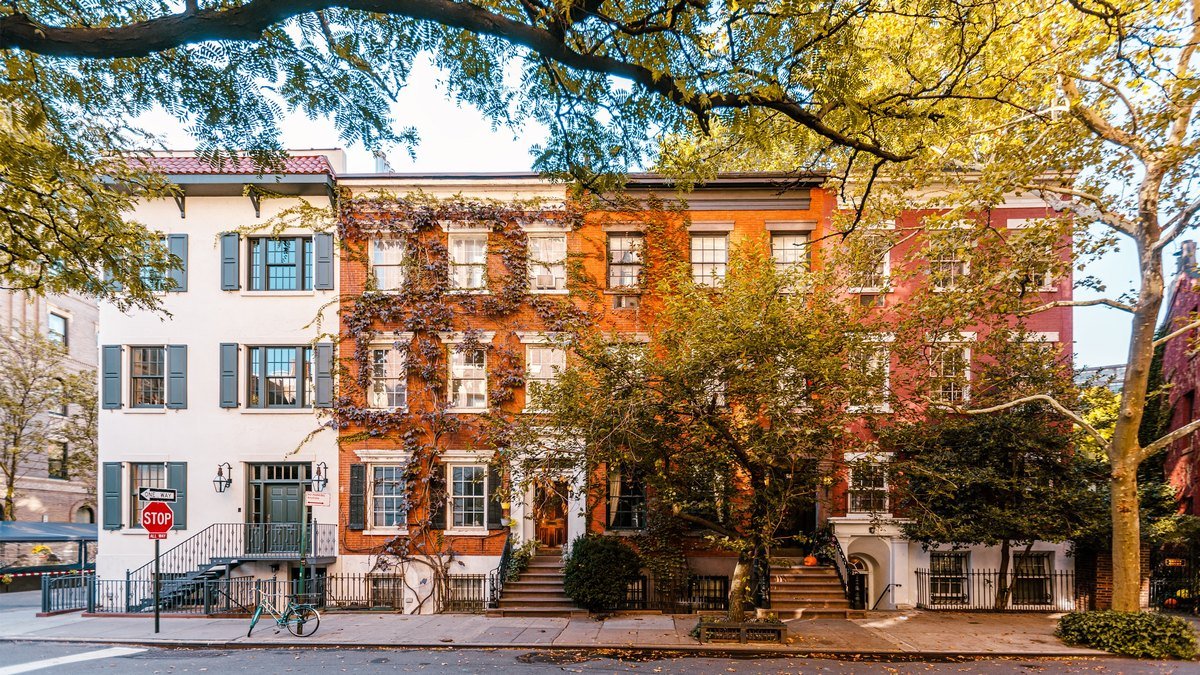
New York City renters looking to live in Manhattan now face a daunting financial threshold: a household income of at least $215,000 per year to afford the typical apartment rent.
The latest New York City Rent Report from Realtor.com® found that Manhattan’s median asking rent surged to $5,375 per month in the third quarter of 2026—an 8.3% increase from a year earlier.
Under the standard 30% rule of thumb, which recommends that housing costs equal 30% of a tenant’s gross income or less, a renter would need a gross monthly income of $17,917—or $215,000 annually—to comfortably afford the borough’s median rent.
Unfortunately, city incomes fall far short of those levels. The median household income in Manhattan, for example, is $106,403, according to the U.S. Census Bureau.
“The new reality is that earning six figures in Manhattan no longer guarantees financial breathing room,” says Amy Herman, a Manhattan real estate agent with Brown Harris Stevens. “Renters aren’t necessarily lowering their expectations of New York City, but they’re having to rethink what they can afford within it.”
Citywide rents hit record highs across all unit sizes
Across New York City, the median asking rent hit an all-time high of $3,785 last quarter. That’s a 4.5% year-over-year increase of $162. Citywide, asking rents are now a staggering 27.5% higher than their pre-pandemic levels.
Demand for smaller housing units is driving much of the escalation.
The median asking rent for studio to 2-bedroom units rose 7.1% year over year to $3,662 and has risen 34.1% since Realtor.com began tracking New York City rents in 2019. Rents for 3+ bedroom units rose 2.9% year over year to $5,089, up 21.9% since 2019.
Borough-by-borough rent breakdown: Income needed
While Manhattan remains the city’s most expensive borough, rental growth climbed across Brooklyn, Queens, and The Bronx as well.
In Brooklyn, the third quarter 2026 median asking rent was $4,197—up 4.8% year over year—requiring an annual income of $167,880. In Queens, rents were up 3.9% year over year to $3,744, requiring an annual income of $149,760. And in the Bronx, median asking rent rose 2.7% to $3,233, requiring an annual income of $129,320.
That’s pushed some would-be renters to consider buying instead; however, the buying picture isn’t much rosier.
Realtor.com research finds that the estimated monthly cost of a median-priced New York City home fell about 1% ($107)—down to $10,737 from $10,844 a year earlier—driven by a 2% drop in the median listing price to $1,409,792. That outweighed a small rise in the average 30-year fixed mortgage rate, from 6.57% to 6.68%.
Ben Jacobs is a luxury broker with the Chestler Jacobs Team at Douglas Elliman focused on Brooklyn and Manhattan. He says the rent squeeze is pushing wealthier renters to buy.
“On the higher end, the wealthier clientele is looking at the delta of what they would be spending on rent and what it would cost for them to buy something. And most of those people are borrowing against their portfolios anyways. So they’re, you know, kind of skipping the traditional institutional mortgage rates right now.
“People in the lower end of the market are really in a difficult situation,” he adds. “You’ve got to feel for them because the rents are going up.”
At a 7% mortgage rate, a median-priced home purchase (assuming a 10% down payment plus taxes, HOA fees, and insurance) costs an estimated $11,008 per month—up $164 from a year ago.
But Jacobs says that’s not bad for some renters. On the in-demand Williamsburg, Brooklyn, waterfront, “studios are going for, like, $5,000. A one-bedroom is $6,500-plus. Two-bedroom units are, like, $9,000 to, like, $14,000.”
High rents are keeping people locked in their current rental units, he adds.
“I have friends who started renting, kind of post-COVID era, that have just stayed in their apartment because they’re looking at the cost to leave, not only the moving costs of leaving, but the cost of renting a bigger apartment that is, you know, that is increased 30% or 40% since they moved into their current space five or six years ago.
“So if you have those guys that are just staying put and they’re not entering the buying market, they’re in a situation where they don’t really have the money to put down to buy a place,” he says. “So those guys are just staying in the rental, and that’s squeezing the rental market as well.”