Sophisticated modelling needed as one in seven mortgages linked to flood risk
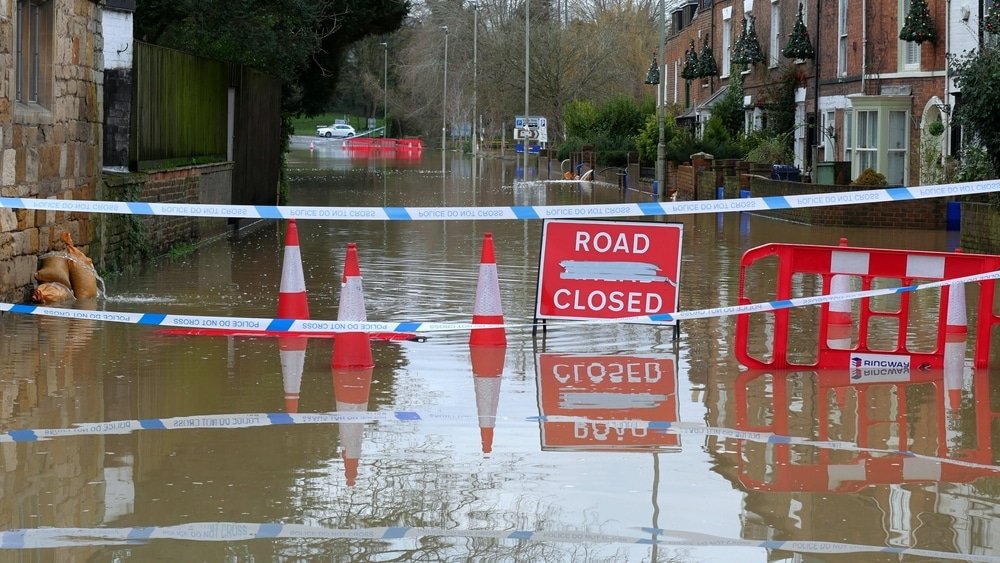
Some 15.5% of mortgages in England are linked to areas with some level of flood risk, highlighting the importance of physical climate risks to the mortgage market.
Analysis from the Financial Conduct Authority (FCA) showed that lender exposure to flood risk varied by region and type of flooding.
London was the most exposed to surface water flooding, with 24% of the west area of Inner London affected and 21% of east London. Some 19% of the west and north west areas of Outer London were exposed to surface water flooding, while 18% of the east and north east of the capital were exposed. In south Outer London, 15% of the area was at some risk of surface water flooding.
Essex was also among the most at-risk areas, with 18% exposed to surface water flooding, as was 14% of Merseyside and 15% of Cambridgeshire and Peterborough.
East Yorkshire and Northern Lincolnshire were the most at risk of flooding from rivers and the sea, with 38% of the region exposed, followed by Lincolnshire, where 28% of the region was at risk.
The risk of flooding from rivers and the sea was considerably lower in other areas.

Your First Home: confidence to build
Sponsored by Halifax Intermediaries
The FCA said understanding geographical patterns could help identify where climate-related risks may impact consumers and mortgage lending if flooding becomes more frequent or severe.
The regulator also assessed whether there was any relationship between lending patterns and flood risk, assessing the proportion of regions at risk across each loan to value (LTV) band.
It found there was no clear or consistent link between higher LTV lending and a greater exposure to flood risk, but noted a slight fall in the proportion of mortgages in high-risk areas as LTV ratios increased. This was mostly consistent except for a slight risk of mortgages exceeding 100% LTV in medium-risk areas.
A future risk for homeowners and lenders
Richard Pinch, senior director at Broadstone, said the scale of flood risk across England’s mortgage market “raises serious concerns for homeowners who could see their properties become harder to insure or sell, and lenders facing increasing financial risks across their mortgage portfolios”.
He added: “For homeowners, the consequences of flood risk can be severe, from soaring insurance premiums and falling property values to difficulties remortgaging or selling. In the worst cases, households could find themselves trapped in properties that are increasingly difficult to insure or finance.
“Flood risk also presents a significant challenge for mortgage lenders, threatening property valuations and potentially eroding the value of the security backing their loans. As extreme weather events become more severe, lenders could face greater credit losses and increased risks across their mortgage portfolios.”
Pinch said the challenge would be managing these risks without restricting access to mortgages in flood-prone areas.
He added: “More sophisticated climate risk modelling, stronger flood defences and closer collaboration between lenders and insurers will be critical to protecting both borrowers and the wider mortgage market.”
Earlier this month, the government and Flood Re announced they were piloting Flood Performance Certificates (FPCs) to offer lenders and homeowners standardised information about properties.