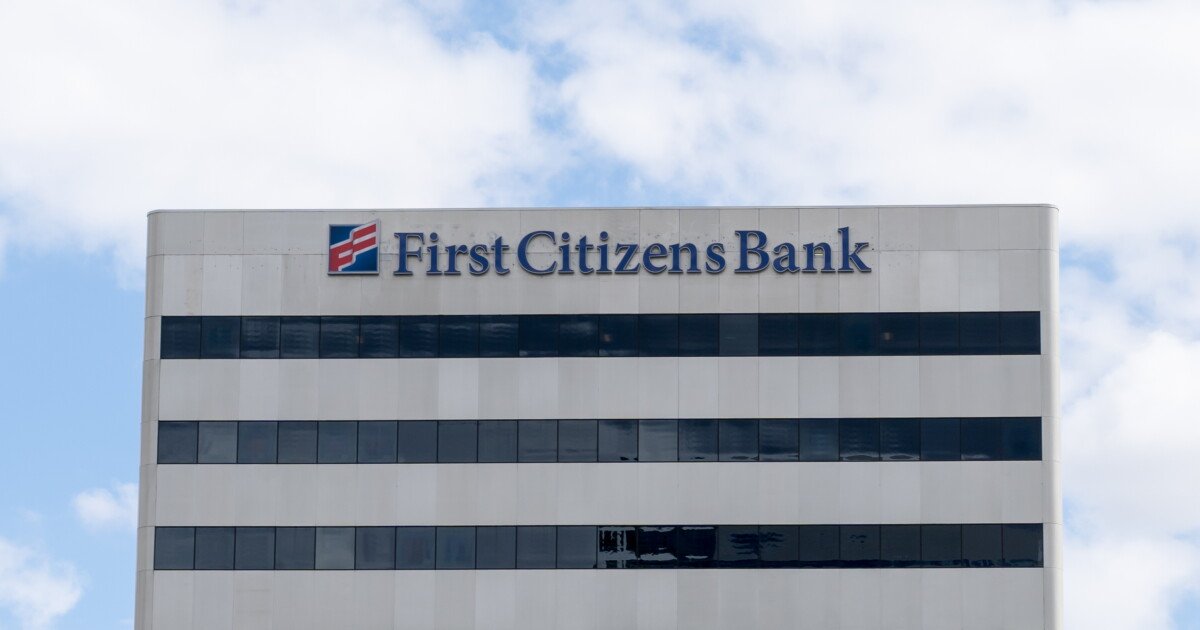
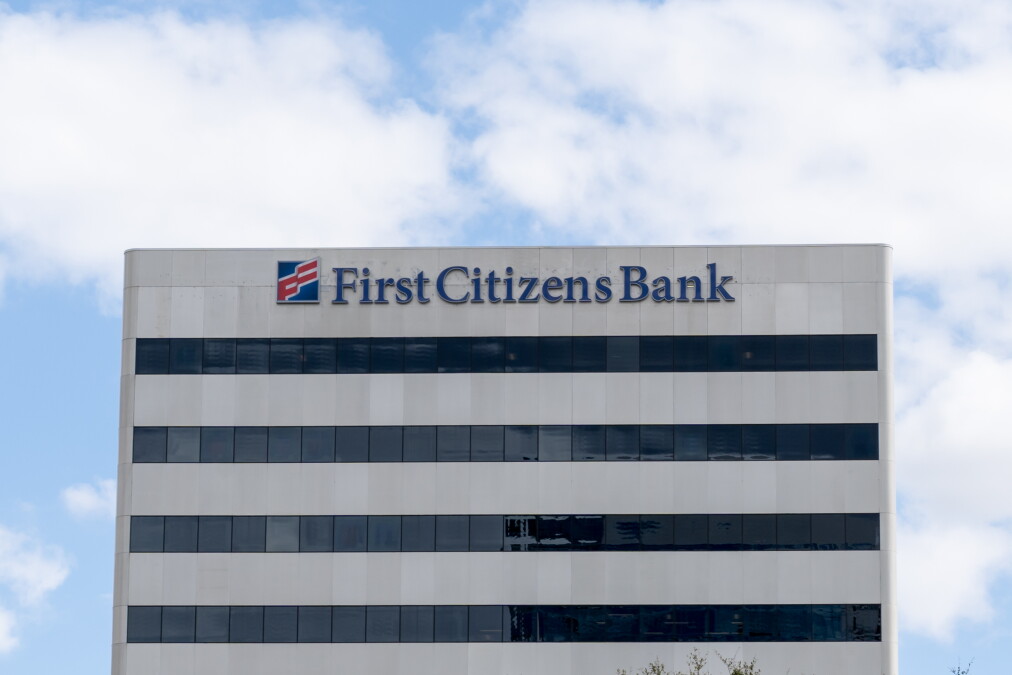
First Citizens is open to buying more branches post-BMO deal
- Key insight: First Citizens’ acquisition of 138 BMO branches, which closed in the third quarter, contributed to growth in both loans and deposits.
- Expert quote: “I do think that the BMO transaction indicates that M&A will remain an important part of our growth strategy and a way for us to continue delivering value to our shareholders.” — First Citizens Chief Financial Officer Craig Nix
First Citizens BancShares executives on Friday touted the successful integration of 138 branches the company acquired from BMO Financial Group, and signaled openness to similar deals in the future.
Processing Content
Chief Financial Officer Craig Nix said during the bank’s third-quarter earnings call that while First Citizens is not pursuing whole-bank acquisitions, it remains interested in purchasing branches.
“I do think that the BMO transaction indicates that M&A will remain an important part of our growth strategy and a way for us to continue delivering value to our shareholders,” Nix said. “We would look for opportunities in the space, especially opportunities to increase and improve our liquidity profile.”
The BMO acquisition, which closed in the third quarter, expanded First Citizens’ balance sheet and national footprint.
The acquisition’s full financial impact, including its benefits and costs, will be reflected in First Citizens’ fourth-quarter results, executives said Friday.
The $241-billion asset bank also provided an update on its efforts to repay debt tied to its
The bank has now repaid $17 billion, or 47%, of the debt associated with the SVB acquisition and aims to eliminate the remaining balance by the end of 2027.
During the third quarter, First Citizens reported net income of $606 million, up 6.7% from a year prior. Net interest income was $1.70 billion, down 2% from a year prior.
Interest income on loans and leases totaled $2.34 billion, up slightly from $2.30 billion a year earlier and $88 million from the second quarter. The company’s net interest margin was 3.07%, down from 3.26% a year earlier.
Deposits totaled $185.3 billion, up 13.5% from the same period in 2025, including $4.9 billion of deposits acquired from BMO.
Loans and leases totaled $157 billion at quarter-end, up from $145 billion a year earlier. Loans in the general bank segment grew by $633 million from the second quarter, largely driven by the BMO branch acquisition.
First Citizens’ provision for credit losses fell to $55 million in the third quarter, down from $191 million a year earlier, helping offset the decline in net interest income and higher noninterest expenses.
Noninterest expenses totaled $1.57 billion in the third quarter, up from $1.49 billion a year earlier. Expenses rose $22 million from the previous quarter, driven by investments in digital infrastructure and data center modernization, executives said.
First Citizens expects expense growth to remain in the low- to mid-single digits over the medium term as the company seeks efficiencies.
“As we look at continuing to optimize and combine platforms, processes and teams, quite candidly, I think that puts downward pressure on it,” Nix said.
First Citizens raised portions of its 2026 guidance. It is now projecting year-end loan balances of $158 billion to $161 billion, up around 3% from the previous guidance, driven by expansion in its commercial and general banking segments.
The bank also returned $600 million to shareholders through share repurchases during the third quarter. Its board approved a new plan authorizing the repurchase of up to $1.2 billion of Class A common shares through 2027.