Credit Card Delinquencies Creep Up to 2.6% Among Major Issue…
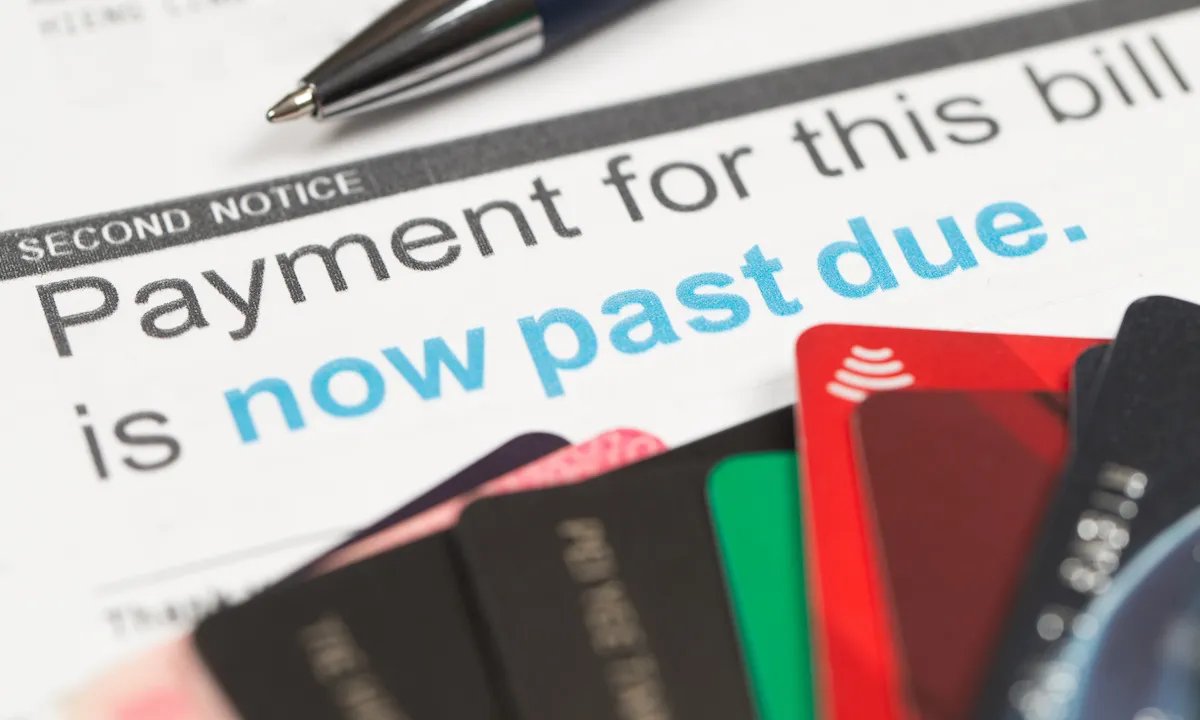
Credit card delinquencies crept up in September, while net charge-offs declined, according to the latest edition of Seeking Alpha’s Credit Pulse, released Thursday (Oct. 22).
This report tracks monthly delinquency and charge-off rates at seven major credit card issuers, including American Express, Bank of America, Bread Financial, Capital One, Citigroup, JPMorgan and Synchrony.
The September report showed the average delinquency rate climbing to 2.62%, up from 2.51% in August. That’s also above the three-month average of 2.55%.
The average net charge-off rate declined to 2.09% in September, down from 2.15% in August. The September figure was also down from the three-month average of 2.12%, according to the report.

We’d love to be your preferred source for news.
Please add us to your preferred sources list so our news, data and interviews show up in your feed. Thanks!
“Against a backdrop of rising interest rates, consumers appear to be largely keeping up with payments, especially when looking at three-month moving averages,” the report said.
The September edition of the PYMNTS Consumer Expectations Index (PCEI), “Consumers Hold the Line as Their Financial Cushion Shrinks” found that while consumers are holding steady, their room for error is shrinking.
PCEI, which is a survey-based measure of U.S. consumer sentiment, fell 0.7 points to 54.1 in September as consumers’ views of the economy, buying conditions and job mobility weakened, according to the report.
The report found that rising living costs are diminishing how long consumers’ savings would last if their income stopped, even as consumers’ confidence in the ability to save are holding basically steady.
“Consider a car’s fuel gauge,” the report said. “If the tank holds a set number of gallons, but the car starts burning fuel faster because of a longer commute, the needle will drop faster, even though capacity hasn’t changed. That’s effectively what’s happening to household savings. Confidence is holding steady, but rising costs mean savings buy less time than they used to.”
Data, analytics and cloud technology provider Equifax reported during a Tuesday (Oct. 20) earnings call that while inflation has disproportionately pressured lower income and subprime consumers, the majority of consumers continue to be resilient.
“We have also not seen financial institutions increase their portfolio management reviews or decrease consumer credit lines, which are actions they typically take when they anticipate an economic downturn,” Equifax Chief Financial Officer and Chief Operations Officer John Gamble said during the call.