Will Tesla’s New Flying Roadster Send the Stock Flying?
Tesla (TSLA +1.53%) hasn’t had such a good year. The company’s shares are down by 16% to date. However, the company has made notable progress. It has expanded its robotaxi business to new cities, introduced the Cybercab, a self-driving vehicle dedicated to its robotaxi ambition, and recently, the electric vehicle (EV) maker showed off a flying car. Yes, you read that right. Could this new development be the catalyst that sends Tesla’s stock soaring?
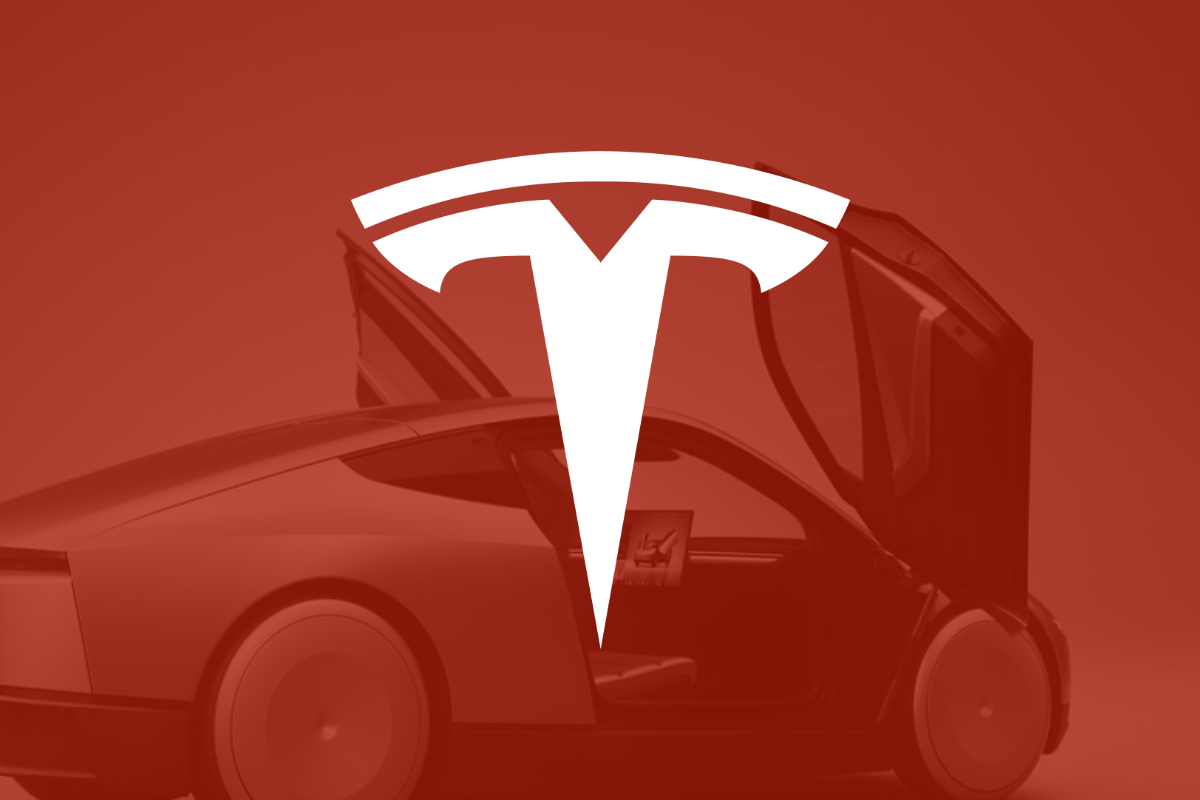
Image source: The Motley Fool.
The future is now
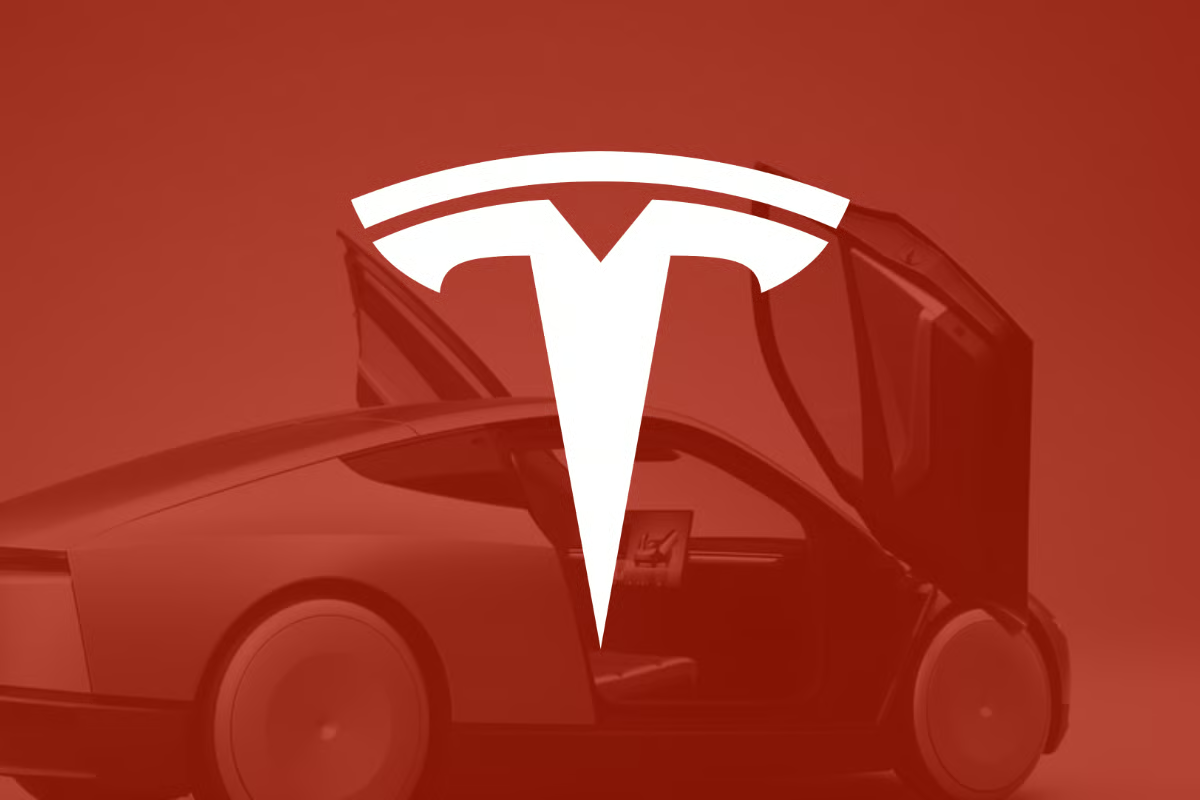
Tesla’s first car was the Roadster. But the company had not introduced a second generation of this vehicle since its initial debut. It has now done so. On Oct. 15, Tesla revealed the second-generation Roadster, and in true Tesla fashion, it was quite a show. One version of the car drove up a curved ramp and ended up upside down at some point.
Most cars would succumb to gravity under these conditions, but the Roadster used suction to avoid falling, then used cold-gas thrusters to flip itself midair and land safely on its wheels. That wasn’t the end of the show. The Roadster also used the same technology to flip itself over a lineup of some of Tesla’s other cars. That’s impressive, but what does all this mean for the company?
A minor financial impact
Tesla first announced it was working on a brand-new Roadster years ago. The company predicted it would begin deliveries in 2020 and said the cost would be $200,000. That didn’t happen, but were the flight capabilities of the new Roadster worth the wait? Note that only one version can fly, and that one isn’t available to the general public.
The technology would require regulatory approval to be on public roads. The non-flying versions will be available to the broader public.
These will be high-performance luxury vehicles, and they will be expensive. Tesla hasn’t announced the prices yet, but the base version can be reserved for $50,000, while the version with cold gas thrusters on the back has a reservation price of $250,000. The company is planning to start production in 2028.
$373.71+$5.65 (+1.53%)
NASDAQ · As of 4:00 PM ET 10/20/26
Even at a higher price point than its market-leading Model Y, the new Roadster is unlikely to be a significant driver of revenue and profits, especially given the evolving competitive EV landscape. Some EV makers, including China-based ones like BYD, have large lineups of EVs that cater to a range of customers, including price-sensitive ones.
The market is likely to become even more competitive, and, in my view, a new high-end luxury car isn’t the best way for the company to stay ahead of its peers. Of note, Tesla’s CEO Elon Musk has himself downplayed the Roadster’s importance to the company’s long-term plans.
Back in 2024, he said that the “Roadster is not just icing on the cake, it’s the cherry on the icing on the cake.”
What’s more likely to drive Tesla’s performance over the next five years? The company’s core EV business could play a role, but its robotaxi ambitions may be even more important. With the introduction of the Cybercab, a two-seater without a steering wheel or mirrors, the company could scale its roboaxi fleet faster with a vehicle likely cheaper to manufacture than its Model Y.
Assuming a large enough fleet, high utilization, and reasonable per-trip prices, Tesla’s robotaxi fleet could generate tens of billions in annual sales. This business could also be more profitable than EV sales. So, investors need to keep an eye on Tesla’s progress.
Is a merger with SpaceX imminent?
Tesla’s flying car didn’t move the stock much. But the event intensified speculation about a merger between Tesla and Space Exploration Technologies. Not only does the new Roadster use SpaceX technology to fly, but the event was also held at a SpaceX facility.
Some analysts now believe that a merger will be announced in the next few weeks. It might make sense for the two companies to merge. While they offer different products, there is significant technological overlap between the two. SpaceX is worth about $2 trillion, versus Tesla’s $1.5 trillion.
Perhaps a formal merger announcement will send Tesla’s stock up significantly. However, all of these are speculations for now. Investors shouldn’t buy Tesla’s shares based on that. Even if a merger is announced, that wouldn’t necessarily make the combined entity attractive, assuming the two can merge at all.
The news would likely attract significant regulatory oversight. At any rate, I’d avoid both stocks right now. They face too much uncertainty and regulatory-related risk, making them unattractive picks, especially at their current levels.