How muni supporters in House, Senate may fare in midterms

Al Drago/Bloomberg
The midterm elections that promise to reshape Congress include a handful of competitive races for lawmakers from both chambers who are considered municipal market champions, although most are expected to win their elections.
Processing Content
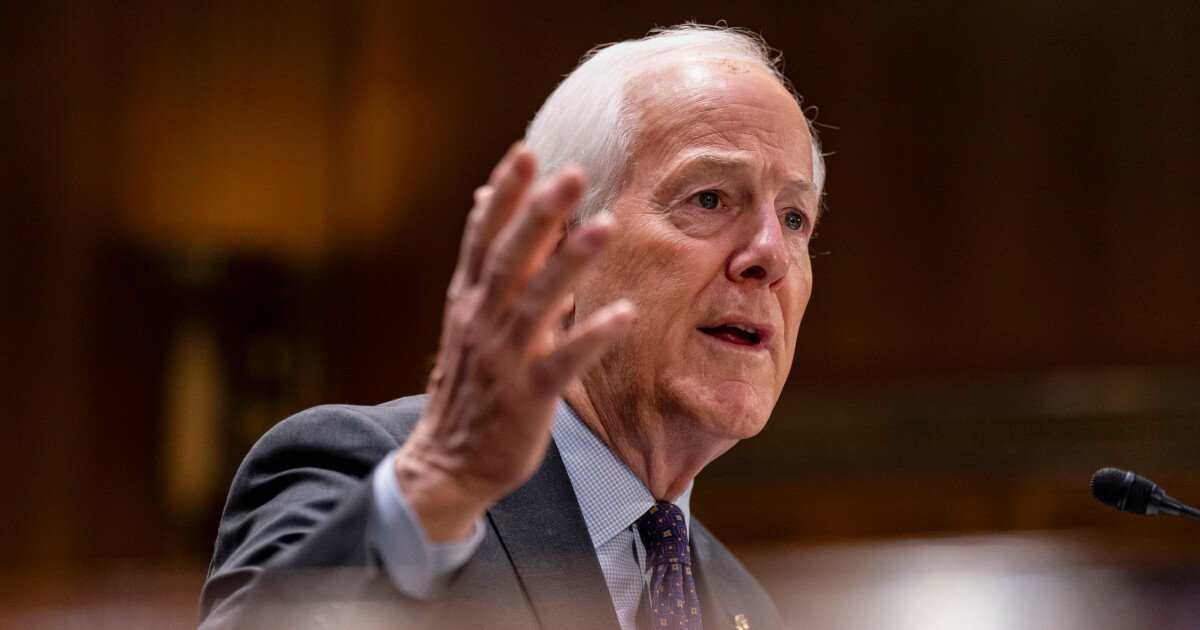
The muni market already suffered a loss with the March primary loss of Texas Republican Sen. John Cornyn, who lost to Texas Attorney General Ken Paxton. An influential supporter of tax-exempt private activity bonds, Cornyn led the charge to save the financing tool during the 2017 Tax Cuts and Jobs Act, and
Paxton, who’s locked in a tight race with Democrat James Talarico, was a top defender of the Texas 2021 anti-ESG laws and as attorney general
While Democrats are widely expected to take the House, the Senate’s fate remains uncertain as key races considered too close to call will determine who controls the chamber. Maine is one of those races, where Republican Sen. Susan Collins, chair of the Appropriations Committee, faces Democrat Troy Jackson.
From the muni market perspective, Collins has emerged as a top challenger of an Office of Management and Budget proposed rule change that would revamp federal grant awards and terminations. Bond issuers are
Collins was instrumental in
Connecticut Democrat Rep. Rosa DeLauro, who may return as House Appropriations chair if the Democrats take control, has also fought hard against the rule.
The Ohio Senate seat is another battleground tossup, where former Sen. Sherrod Brown, a Democrat and former chair of the powerful Senate Banking Committee, faces Republican Sen. Jon Husted. While in office, Brown pushed for
Republican Rep. Andy Barr, who is a member of the House Municipal Finance Caucus, is the favorite to win an open Senate seat in Kentucky.
Barr was one of several House members who signed a letter last year that
The letter — which Government Finance Officers Association lobbyist Emily Brock called “an incredible show of support at a pivotal time” — was
On the House side, long-time muni champion and
Sewell, a former bond lawyer, has
Stadium bonds, disliked by both sides of the aisle, are likely to return as an issue in the next Congress. The authors of a bill eliminating the tool — Rep. Don Beyer, D-Va., and Rep. Glenn Grothman, R-Wis., — are both expected to win on Nov. 3.
The Republican co-chair of the House Municipal Finance Caucus, Indiana Rep. Rudy Yakim, who sits on the powerful House Ways and Means Committee and emerged as a major muni champion during last year’s reconciliation negotiations, is also expected to win.
Rep. David Kustoff, R-Tenn., who has
After the election, groups like National League of Cities and National Association of Counties will begin digging through the winners to see who has local and state government links and therefore a better understanding of municipal bonds, lobbyists said.