What if the bond market has outgrown the Fed?
The Federal Reserve is changing.
Processing Content
In some ways, the change is intentional. The new chair, Kevin Warsh, has made change a point of his administration of the central bank. Now that he’s settling in, he said in a speech at a conference in Bangkok,
Warsh, who
In other ways, though, the change is unintentional, not so much about the Fed itself as it is about the markets. In the 40 some-odd years since Alan Greenspan became Fed chairman, the central bank has become increasingly more chatty and proactive about telling the market what it plans to do. The Fed has not only set the price of credit, but has told the market what the price will be in the future as well. It’s also led to a kind of perverse situation where the market has tried to lean on the Fed to do what it wants. That is what Warsh is trying to get away from.
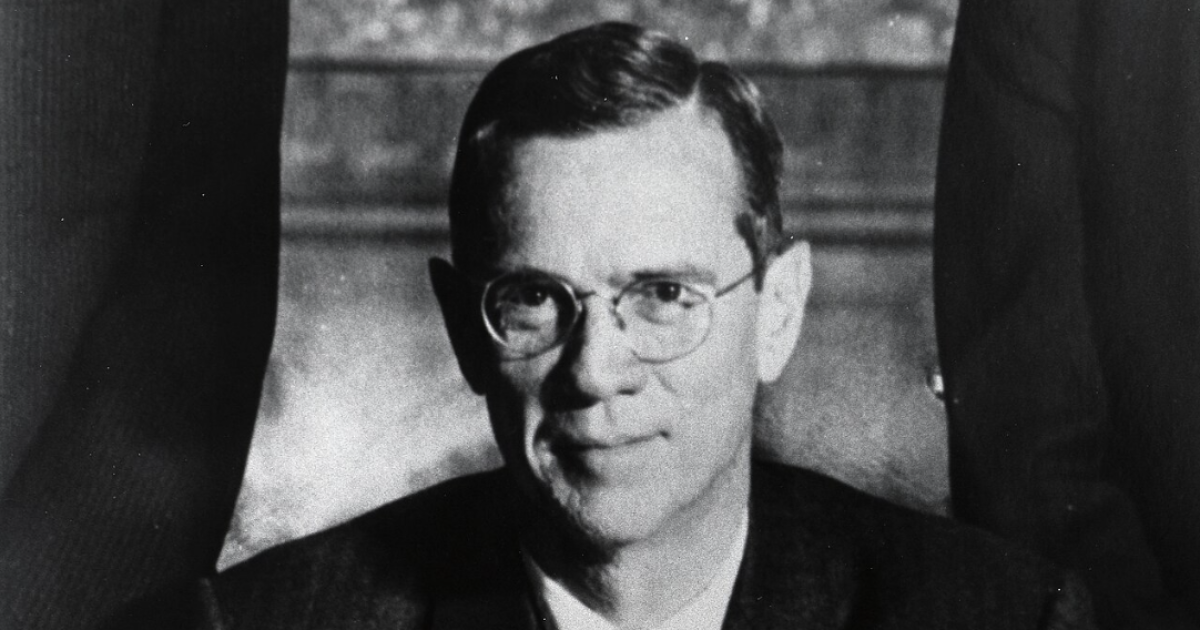
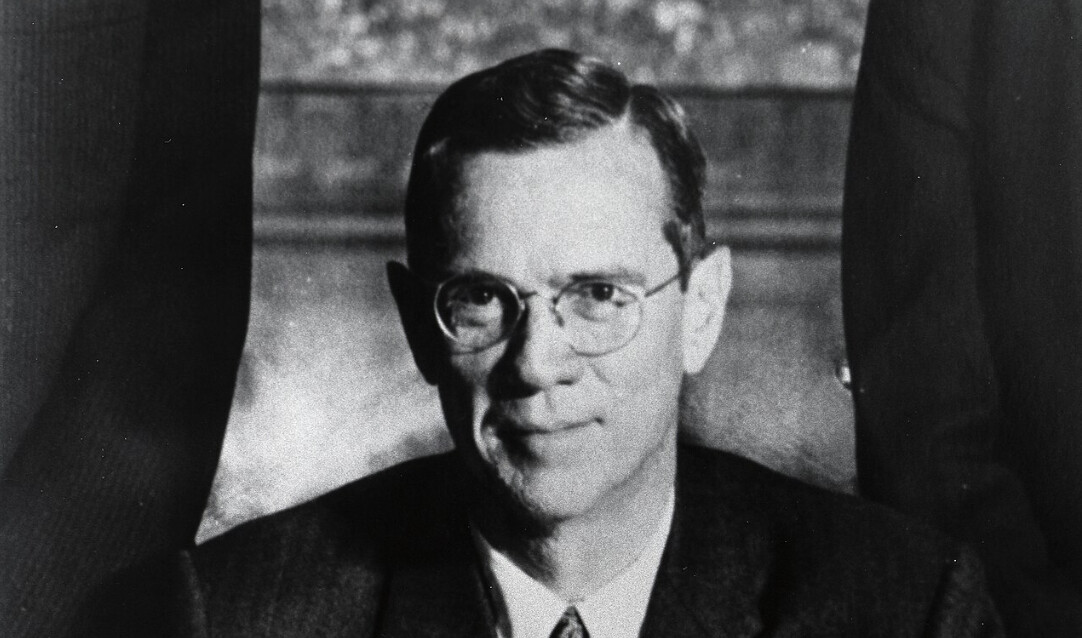
But the markets have always wanted the Fed to be the market’s best friend rather than monitor, and the Fed’s main job should be (but hasn’t always been) to say no. Today [Chana: Oct. 19] in fact is the 71st anniversary of the famous
Martin addressed the local pod of the Investment Bankers Association of America at the Waldorf Hotel in midtown Manhattan. The Fed had been raising rates to contain inflation, but there were some who wanted the Fed to stand down. They didn’t want the central bank to throttle the proverbial animal spirits. Martin noted that it was only in the 20th century that people started to look to federal institutions to respond to and shape what he called “economic gyrations.” In fact, he noted, the creation of the Fed itself was a response to the demand for such government oversight.
He was of course setting them up. The Fed would not stand by idly and watch the economy go into overdrive, setting up another disastrous collapse, just so some traders could make a killing. The Fed, he said, was “the chaperone who has ordered the punch bowl removed just when the party was really warming up.”
I don’t know if Warsh necessarily sees the Fed in that same light, but I do know that he wants the market to operate on its own and not rely upon the Fed for guidance. To extend Martin’s metaphor, Warsh wants the market to operate as if it doesn’t know there’s a chaperone at the party at all. The reality is, he’s kind of getting that, though not for anything he’s done, and he may not like the outcome of it, either.
In a very real way, the bond market
Read more:
The bond market has gotten so big that it is not just the sleepy, collect-your-coupon-and-go-to-bed creature it used to be. This may be one reason why the bond market these days seems to be making its own decisions and not waiting for the Fed to set rates.
Meanwhile, the newfound freedom dovetails perfectly with a Fed chair who doesn’t want to tell the market what to do in the first place. The result is a situation where for the first time in a few decades it is not exactly clear who is determining the price of credit. And that affects, well, everything else.