AI, Robots, and Jobs: Why Gardeners May Still Be Safe
Remember when Anthropic’s AI jobs report suggested gardeners were among the safest workers because AI couldn’t pull weeds or tell a rose from a dandelion? I joked about that in AI Insider earlier this year.
Well, Anthropic updated the research to freak us all out a bit more.
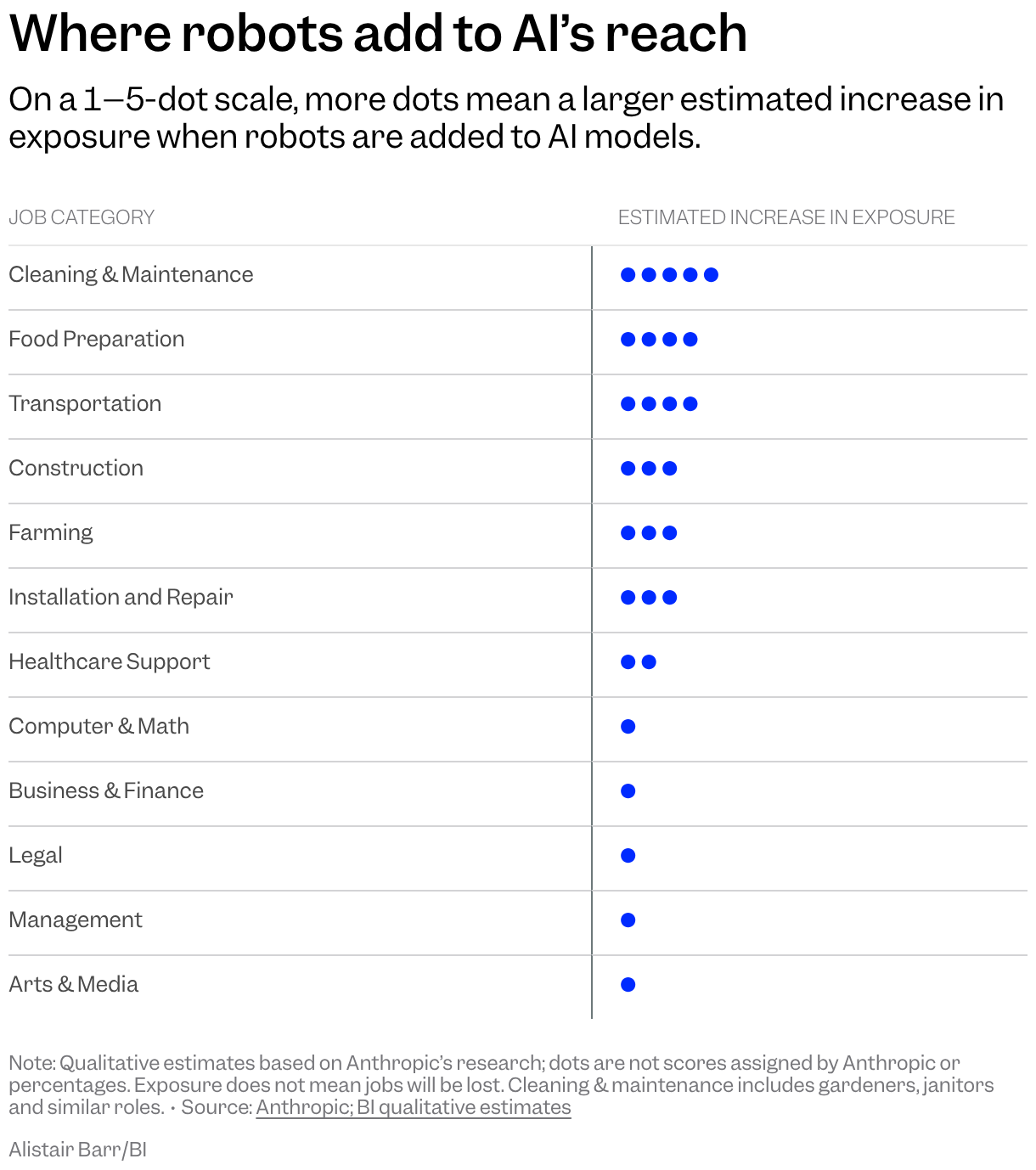
This time it asks a bigger question: What happens when you combine AI with robots? That change pushes many hands-on jobs much higher on the disruption scale. On paper, it makes sense. In practice, I’m skeptical.
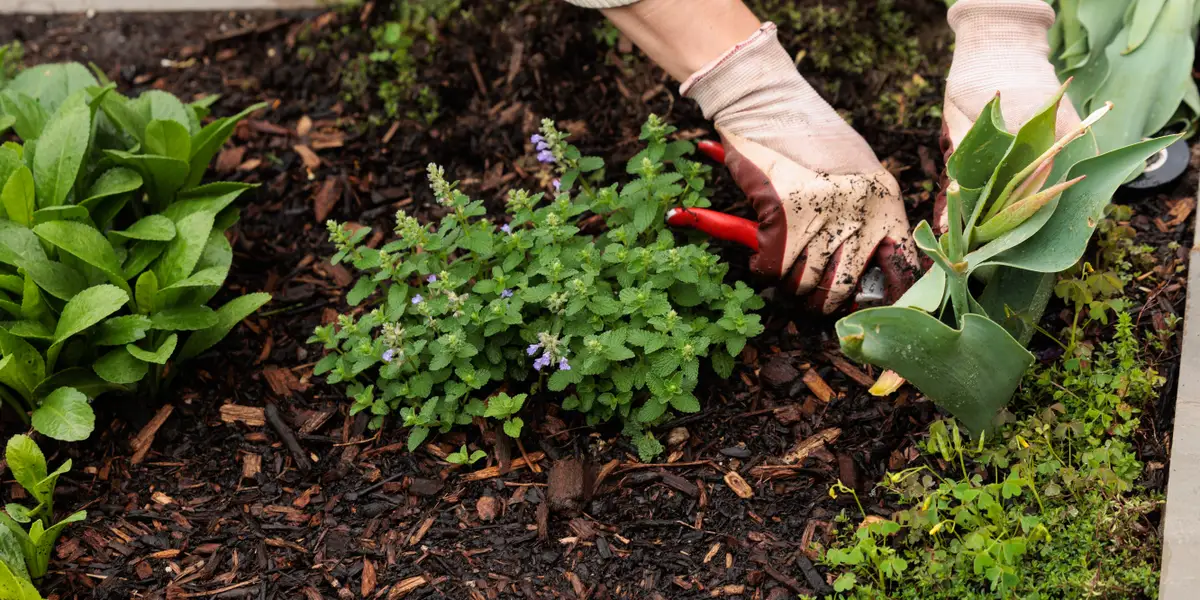
For instance, anyone who’s spent time working in a garden knows how hard it is to identify the right plant, kneel in awkward spots, and pull a weed out properly by the roots without damaging everything around it.
Robots are improving. But if you’ve ever watched one tackle a messy real-world task, you’ll know there’s a long road between a research chart and reality.
The chart below illustrates how adding robots could change job-task exposure across selected job categories. Cleaning & maintenance includes gardeners along with janitors and similar roles.